Creating a shared bedroom can be a fun yet challenging task, especially when it comes to designing a space that feels both personal and functional for two children. As the need for multi-functional spaces grows, I wanted to share some stylish and practical ideas for a bedroom with 2 beds that cater to siblings or friends. This post is motivated by the joy of making a shared bedroom a reflection of the personalities of both children while still meeting their needs for comfort and organization.
If you’re a parent, caregiver, or even an interior design enthusiast looking for fresh ideas, this guide is for you. You want a room that sparks joy and creativity while providing a sense of individuality for each child. I’ve gathered 15 creative ideas that are not only practical but also visually appealing. From bunks to cozy reading nooks, you’ll find solutions that fit small spaces and enhance the room’s style.
Get ready to explore inspiring decor themes, smart storage solutions, and fun lighting options. Each idea is designed to promote harmony in a shared space while ensuring that both children feel at home. Let’s dive into the world of shared bedrooms and discover how to make the most of your space!
Key Takeaways
– Bunk Bed Bliss: Bunk beds save floor space and create a fun sleeping arrangement for kids. They can also add an adventurous touch to the room.
– Gallery Wall Dreams: Create a gallery wall with personalized art and photos. This adds character and allows each child to express themselves.
– Multi-functional Furniture: Look for beds with built-in storage or desks that double as play areas. This helps maximize space and keep the room organized.
– Smart Storage Solutions: Use under-bed storage and wall shelves to keep toys and books tidy. This encourages kids to keep their space clean and accessible.
– Balancing Individuality and Togetherness: Use color schemes and decor that allow for both shared and individual elements. This creates a sense of unity while honoring each child’s uniqueness.
1. Bunk Bed Bliss
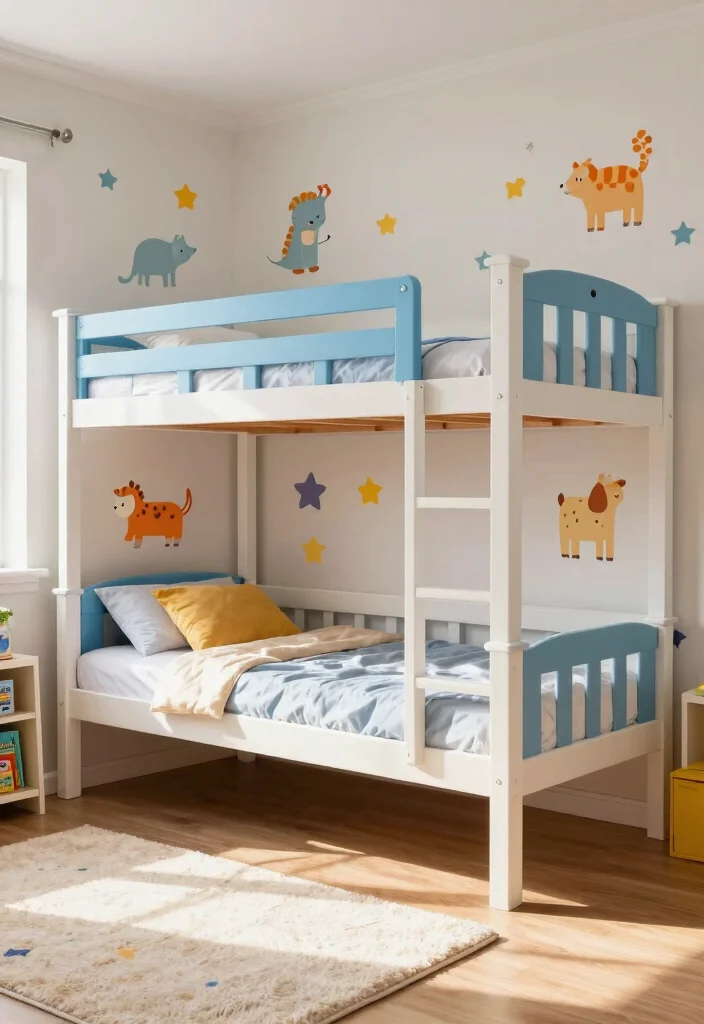
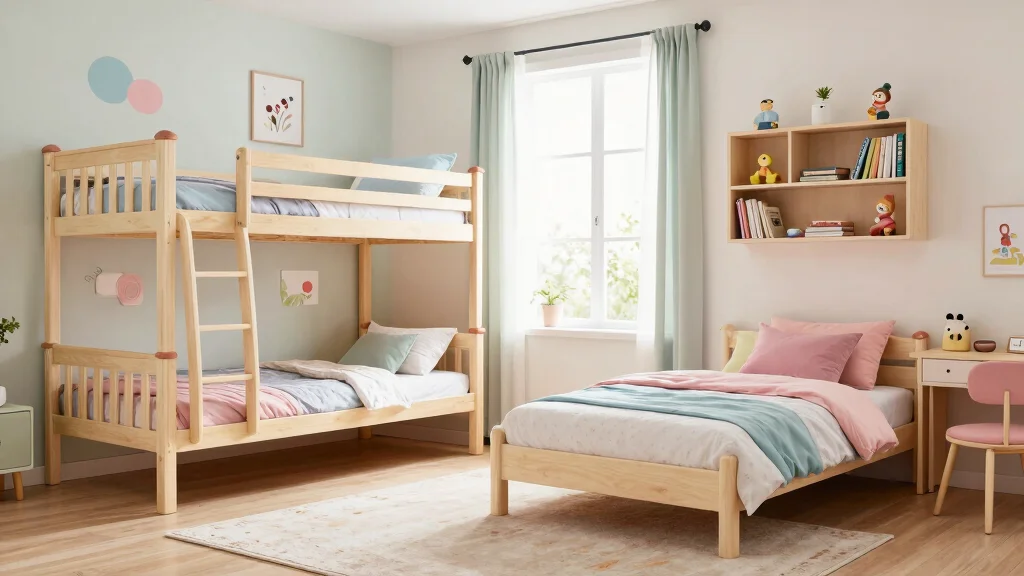
Bunk beds are a fantastic way to maximize space in shared bedrooms while adding a playful element. Their vertical design opens up floor space, providing room for play and storage. Opt for vibrant colors or themed designs to inject personality into the room, like a pirate ship or a cozy cottage look.
To make the most of this setup, consider options that include built-in storage beneath the lower bunk. This clever feature keeps toys, books, and clothes neatly tucked away, creating an organized environment. Adding a soft reading nook nearby can enhance the cozy, inviting atmosphere, perfect for quiet time together.
Tips:
– Use bright bedding to enhance the playful vibe.
– Incorporate wall decals that match the theme of the room.
– Personalize each bunk with photos or artworks.
This design not only saves space but also encourages creativity and play, making the room a favorite spot for kids.
Fun fact: A well-designed bunk bed with built-in storage can reclaim up to 40% of floor space in a bedroom with 2 beds. Vertical design opens up room for play and keeps toys tucked away under the lower bunk.

🥇【Space-saving Twin over Twin Bunk Bed】This twin over twin bunk bed maximizes vertical space, making it perfect for shared bedrooms or small rooms. The upper bunk features a built-in storage shelf, providing a convenient place to keep books, toys, or bedtime essentials within easy reach while keeping the room neat and organized.You can use Twin size or Twin XL size mattress for upper bed, and use twin or full size mattress for lower bed.

【Space-Saving & Multi-Functional Bunk Bed】This twin over full size bunk bed with desk pulls double duty in a small bedroom or small apartment. It gives you two twin beds, a spacious 2-person desk, 4 storage drawers, LED strip lights, and a power strip—all in one footprint. Perfect for siblings sharing a room, it replaces the need for separate furniture and keeps the floor clear. Each child gets their own sleep and study space without the clutter

【Space-saving 3 Beds in 1 Design】Unique triple bunk bed features 3 twin size beds for kids while take up little floor space which especially suitable for rooms with compact space. Take advantage of vertical space, this triple bunk bed is an excellent space saver
2. Gallery Wall Dreams
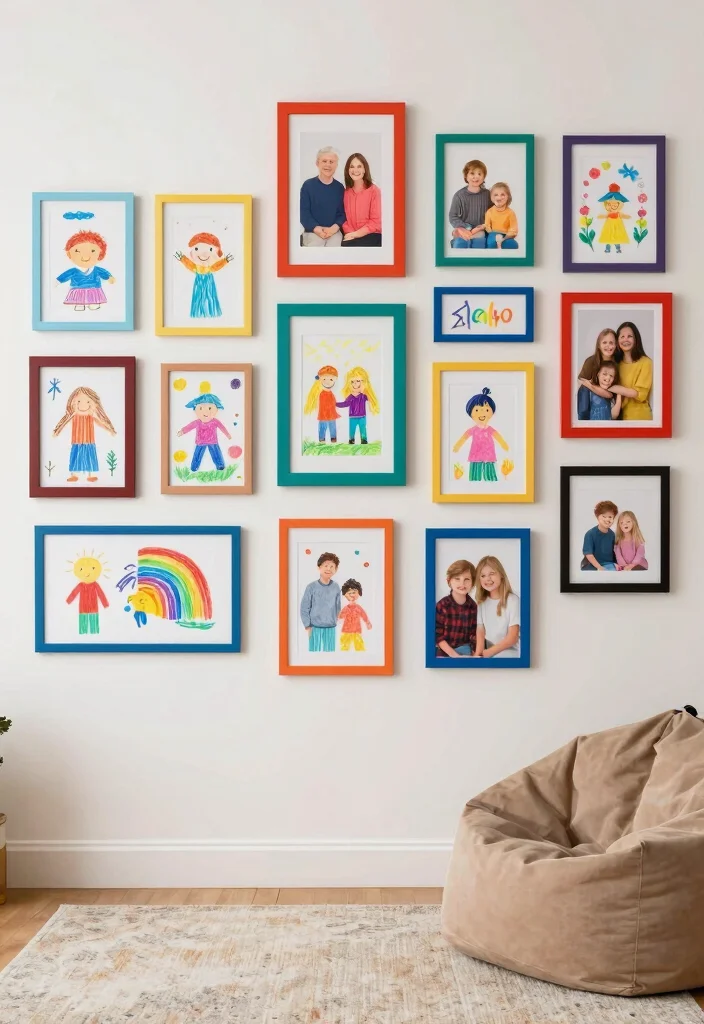
Creating a gallery wall is a wonderful way to infuse personality into a shared bedroom. This display can showcase framed photos, children’s artwork, and inspiring quotes, making the space feel personal and unique. Use a consistent color scheme for frames to maintain cohesion or mix and match for an eclectic flair.
To implement this idea, start by arranging the frames on the floor to find the best layout before hanging. Using adhesive strips allows for easy adjustments as tastes evolve. This gallery not only beautifies the room but also serves as a dynamic focal point that can be refreshed over time.
Tips:
– Arrange the frames on the floor first to find the best layout.
– Use adhesive strips for easy rearrangement.
– Incorporate three-dimensional elements like shadow boxes or shelves.
This personalized touch encourages creativity and allows for ongoing expression, keeping the room lively and engaging.

【ADAPTS TO ANY SPACE】Elevate your living space with this collection of vintage wall art set. Whether you're looking to adorn a living room, bedroom, bathroom, dining room, hallway, kitchen, hotel or office, this wall decor will integrate effortlessly, enhancing any area you can envision.

【Durable Material】Our collage frame is made of well made wood frame. Comes with a plastic cover, which provides a clear view of photos and is lighter than glass. No need to worry about hurt by glass broken.

【ADAPTS TO ANY SPACE】Elevate your living space with this collection of christian wall art set. Whether you're looking to adorn a living room, bedroom, bathroom, dining room, hallway, kitchen, hotel or office, this wall decor will integrate effortlessly, enhancing any area you can envision
3. Stylish Twin Beds
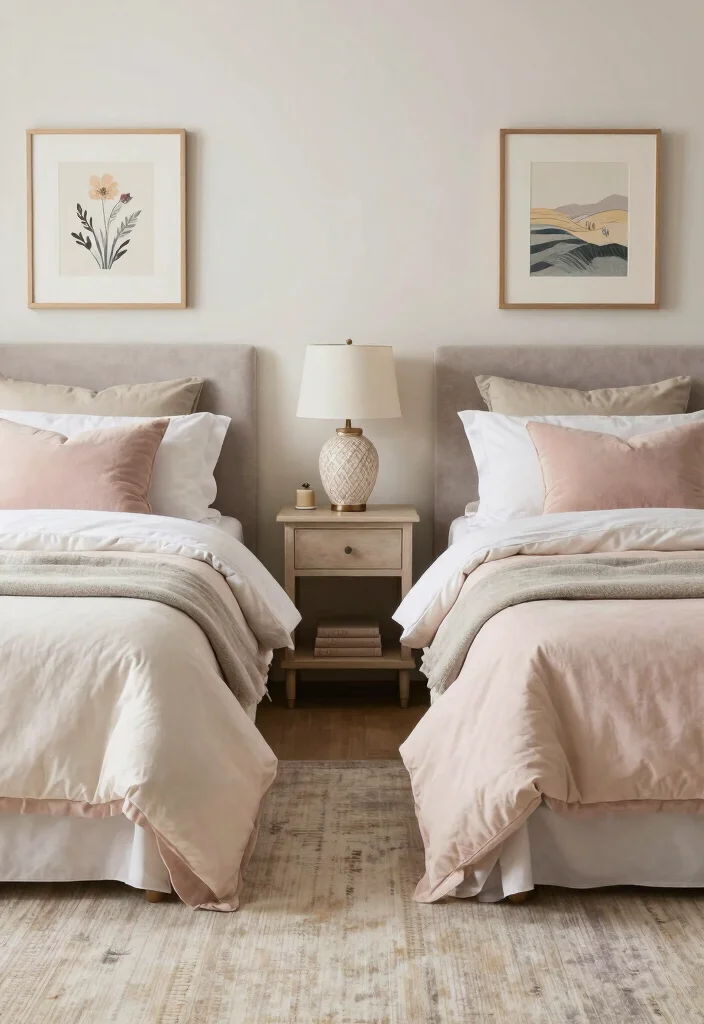
Two stylish twin beds can provide a classic and functional solution for shared bedrooms. Choose matching or complementary bedding to create a harmonious look while allowing each child to express their unique style. Fun headboards, whether wooden, upholstered, or uniquely shaped, can add character to the room.
To enhance organization, consider bedside tables that hold essentials like books and night lights. Using under-bed storage boxes is a smart way to maximize space, while placing a shared rug between the beds can create a cozy play area. This arrangement encourages interaction while respecting personal space.
Tips:
– Keep bedside tables organized with night lights and books.
– Use under-bed storage boxes to maximize space.
– Add a shared play area with a rug in between the beds.
This setup fosters individuality and togetherness, making the bedroom a nurturing environment for both children.

[Twin Over Twin Bunk Bed] Crafted from a strong black metal frame, this bunk bed frees up valuable floor area in bedrooms, dorms, or children’s rooms. The upper level features full guardrails for safe sleeping, while the lower level includes a fold-out side table that transforms the space into a compact study nook or playful corner in seconds.

Bunk Bed Twin Over Twin with U-shape Desk: This bunk bed provides each person with their own dedicated space for rest, study, and personal storage. The overall design under the upper bunk is U-shaped desk with 6 drawers, top storage, 2 metal mesh with 10 S-hooks, and side 8 pockets, offering ample and organized storage. The space-saving, integrated layout is simple and practical, making it especially suitable for children's and teenagers' bedrooms

[Twin Over Twin Bunk Bed] Revolutionize small spaces with our vertical sleep solution! A tiwn-size top bunk + twin lower bunk creates two private sleeping zones without sacrificing floor space. So this loft-style kids bunk bed is suitable for multiple-child families, dorms, or guest rooms, and is both functional and stylish!
4. Multi-functional Furniture
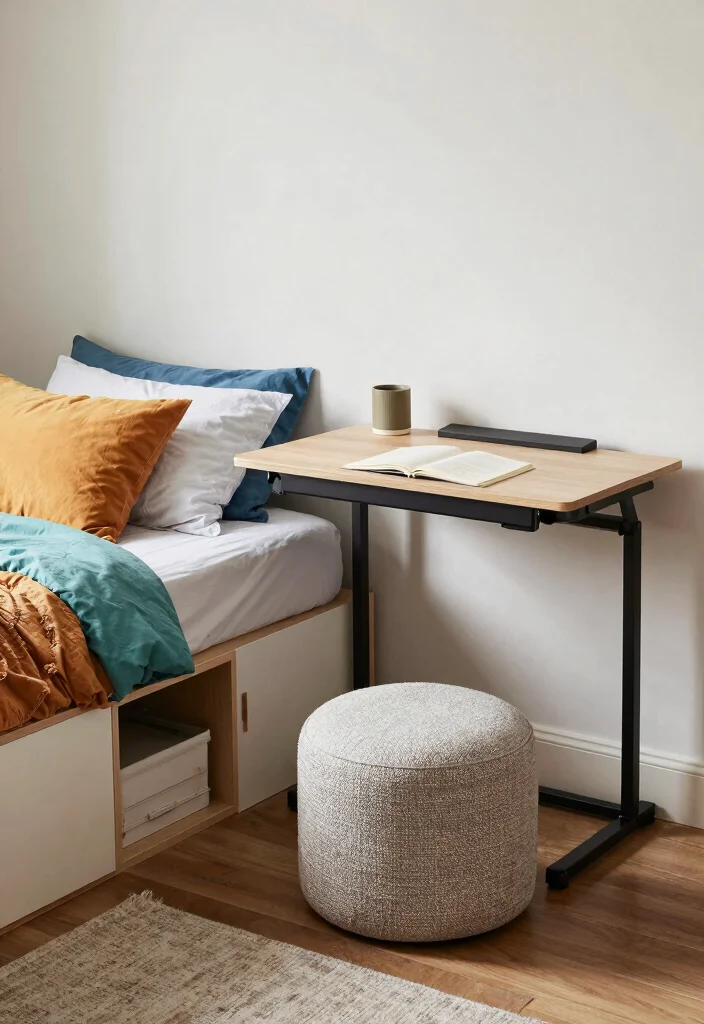
In shared bedrooms, multi-functional furniture is essential for maximizing space and enhancing functionality. Seek out pieces that serve dual purposes, like a bed with built-in drawers or a foldable desk. These items not only save space but also introduce a modern aesthetic to the room.
Using furniture wisely can create an open environment, allowing room for play and relaxation. Opt for sleek designs that keep the space feeling uncluttered. This thoughtful selection can help maintain a stylish and practical atmosphere that adapts to your children’s needs.
Tips:
– Choose items that fit the style of the room—be it modern, classic, or eclectic.
– Always consider height and scale, ensuring each piece is accessible for your kids.
– Look for furniture in lighter colors to enhance the sense of space.
This approach encourages creativity and keeps the room organized, making it a perfect retreat for siblings.

Premium Long-Lasting Material: Crafted from odorless, triple-layer composite non-woven fabric, these underbed storage organizers are foldable, breathable, and built for long-term use. The sturdy material requires no cardboard or metal supports, arrives compactly packed in a reusable clear bag, and preserves clothing freshness—ideal for underbed storage solutions and space-saving home organization.

Maximize Underbed Space: Perfect for freeing up closet space, these storage bags fit easily under most beds and help keep comforters, blankets, and seasonal clothing neatly organized without taking up extra room

WELL BUILT AND NON-DEFORMING: The underbed storage containers are made from high-quality metal material, compared with traditional fragile plastics and non-woven materials that are easily deformed and torn, our under bed storage drawer on wheels is more durable and has better load-bearing capacity, which will meet your long term storage needs.
5. Colorful Bedding Combinations
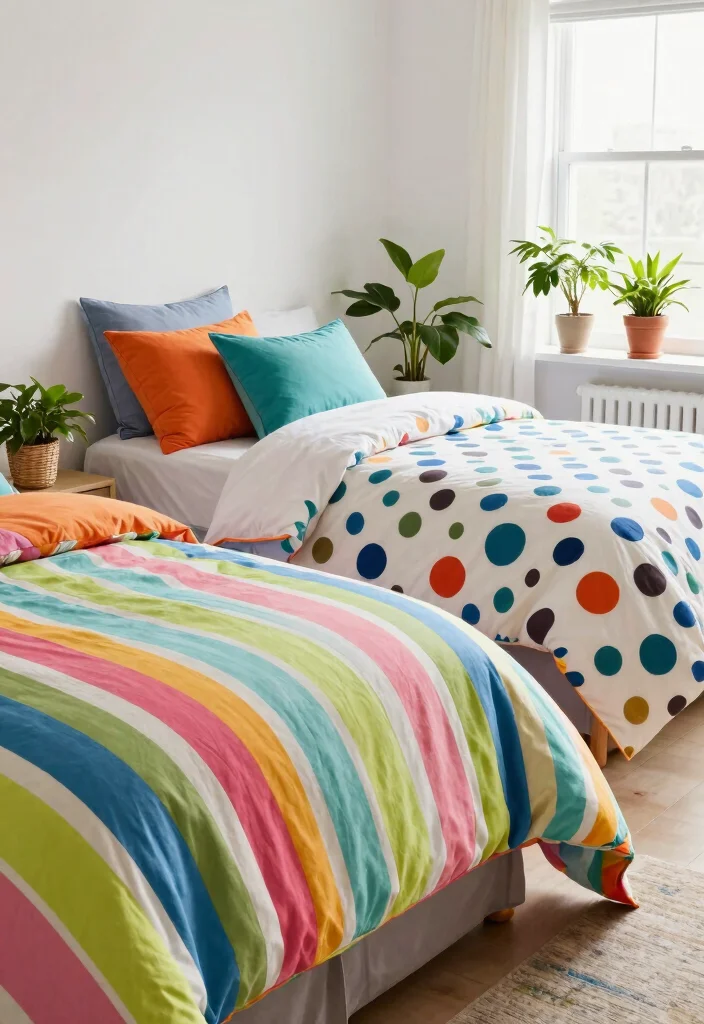
Bedding can truly transform a shared bedroom, bringing it to life with vibrant colors and playful patterns. Choose designs that reflect each child’s personality while harmonizing with the overall decor. Mixing and matching colors creates a lively atmosphere, allowing each child to express themselves.
Layering different patterns can add visual interest without overwhelming the space. Including matching throw pillows can tie the look together, while regularly rotating bedding can keep the room feeling fresh and exciting. This flexibility allows for individual expression within a cohesive framework.
Tips:
– Layering different patterns can create visual interest.
– Incorporate matching throw pillows for a polished look.
– Regularly rotate bedding for a fresh feel.
This colorful bedding approach not only enhances the room’s aesthetic but also promotes a sense of joy and personalization.

Perfect Size for Nurseries: Each shelf measures a convenient 16.5 inches in length – ideal for books, toys, and decorative items.

Reading Corner Solution: transform any space into a charming reading nook with this comprehensive set that includes a large tree wall decal (31.5 x 39.37 inches) and three green wooden shelves (12.6 x 4.33 inches); The harmonious design adds a lively, natural atmosphere perfect for back-to-school decor and enhancing children's interest in reading

Package Includes: you will receive a set of three layer wooden bookshelves and a set of arch stickers with flowers and text; These floating shelves add both style and storage functionality to any nursery or room, making them an ideal addition to your home decor
6. Smart Storage Solutions
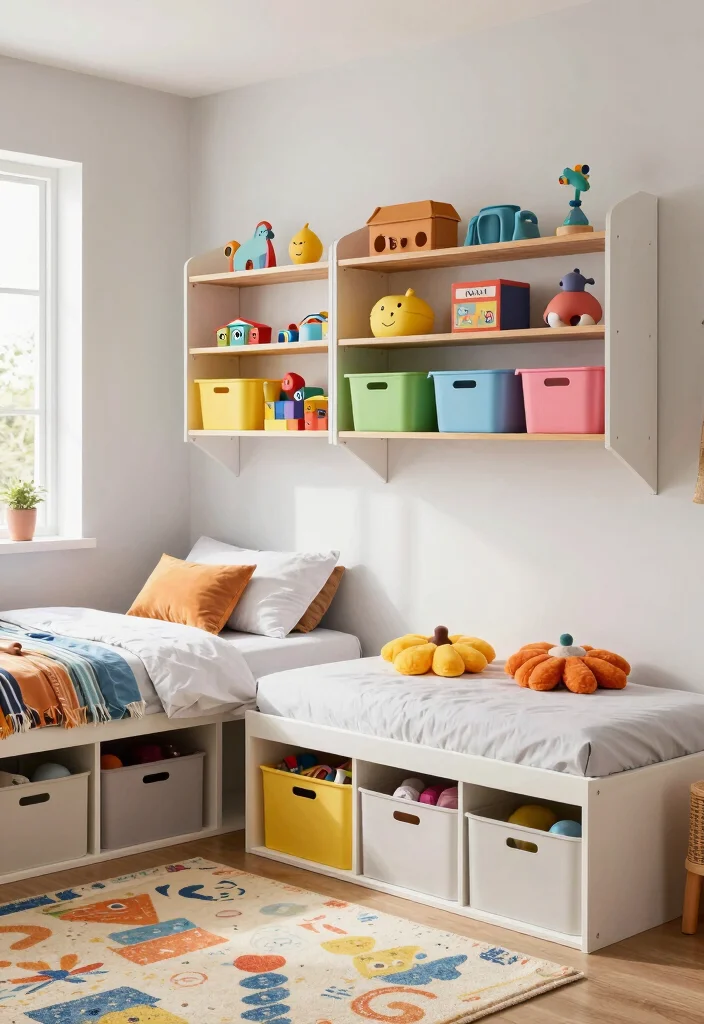
Clutter can quickly take over shared bedrooms, so smart storage solutions are vital. Employ wall-mounted shelves, under-bed storage, and decorative bins to keep toys, clothes, and school supplies organized. Engaging children in organizing their space teaches responsibility and makes tidying up a fun activity.
Fun labels can help kids identify where items belong, while a tidy environment encourages creativity and peace. Keeping storage options accessible promotes independence and helps maintain a harmonious atmosphere in the room.
Tips:
– Install hooks for coats and bags near the door.
– Use clear bins for visibility, making it easier for kids to find what they need.
– Rotate toys to keep playtime fresh and engaging.
This organized approach fosters responsibility and helps create a serene space where creativity can flourish.

【Enhanced Safety for Kids】This low loft bed features a 13.8" extended guardrail, a heavy-duty metal frame up to 400 lbs, rounded corners, anti-toppling device, and a wide ladder with soft foam padding makes climbing safer for little feet. Fits 4–6" mattresses to keep children securely in place through the night.

【All-in-One House Loft Bed with Storage】Designed to combine sleeping, storage, and play in one space-saving solution, this house loft bed features a built-in slide, bookshelves, and wardrobe to help keep your child's bedroom neat and organized. The multifunctional design eliminates the need for multiple furniture pieces while maximizing valuable floor space.

【Twin Multifunctional Bunk Beds with Storage】Features modern, hardwood and stylish bunk bed, this twin bunk beds with storage looks clean and elegant in any bedroom or guest room arrangement. Save space while affording your room to study, sleep, play, game, and store valuables with the bunk bed.
7. Playful Colors and Themes
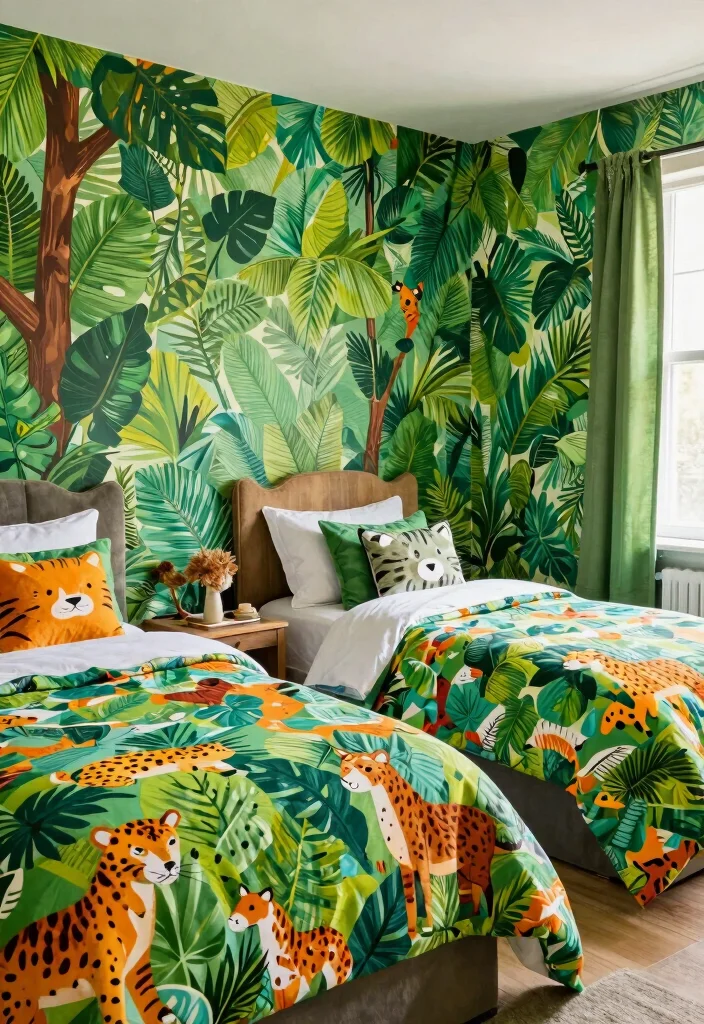
Infusing playful colors and themes into a shared bedroom can create a magical environment! Consider vibrant nautical themes with blues and whites or adventurous jungle vibes with lush greens and browns. Brightly colored walls and fun wallpaper set the tone, while themed bedding and decor bring the vision to life.
Involving children in theme selection allows for personal investment in their space, enhancing their connection to the room. Accessories like themed rugs and artwork can further accentuate the atmosphere, making it an exciting place for siblings to share.
Tips:
– Involve the kids in choosing the theme—they will feel more connected to the space.
– Use decals for easy updates as tastes change.
– Accessorize with themed items found at local stores or online.
This approach not only sparks imagination but also creates a joyful space where siblings can bond over shared interests.

【ADAPTS TO ANY SPACE】Elevate your living space with this collection of Boho wall art set. Whether you're looking to adorn a living room, bedroom, bathroom, dining room, hallway, kitchen, hotel or office, this wall decor will integrate effortlessly, enhancing any area you can envision

【ADAPTS TO ANY SPACE】Elevate your living space with this collection of vintage wall art set, perfect for rustic room decor. Antique farmhouse oil paintings bring a touch of timeless charm to your home. Embrace the trendy now prints that add a contemporary flair to the vintage decor.bohemian flair, there's something for every taste and every space.

1.Size and Compatibility: Our prints measure 8*10 inches, perfectly fitting any standard 8x10 inch frame. This ensures easy installation and compatibility with a wide range of framing options.
8. Cozy Reading Nooks
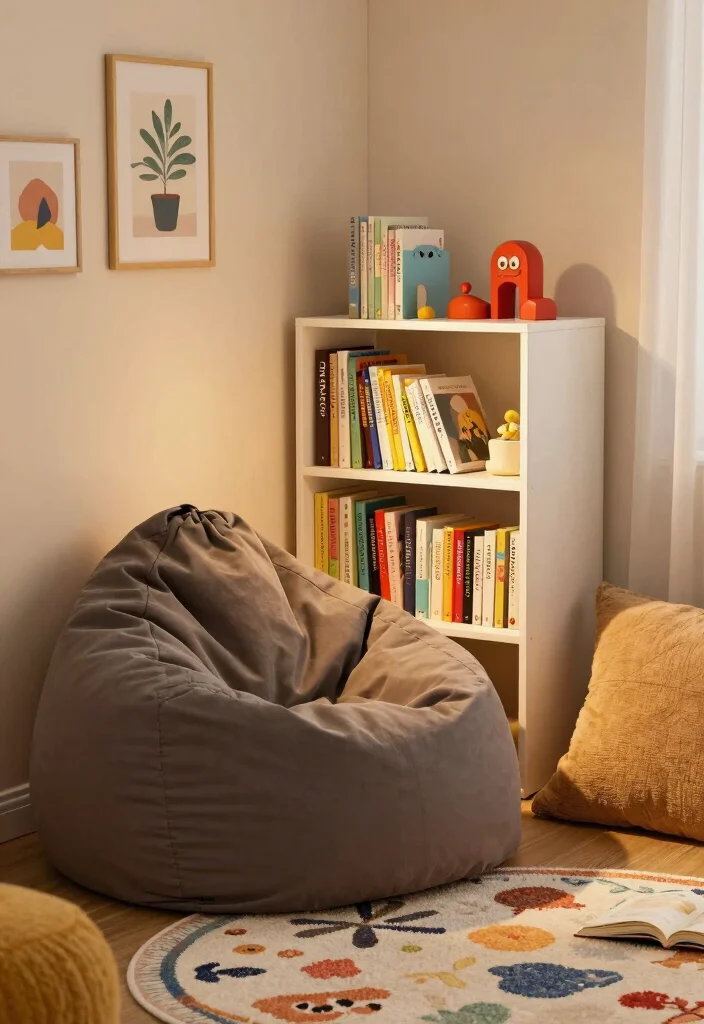
Creating a cozy reading nook can inspire a love of books in shared bedrooms! Design a small corner with a comfy chair or bean bags, surrounded by shelves filled with captivating stories. Adding soft lighting enhances the inviting atmosphere, making it a perfect escape for kids to enjoy.
Including cushions or a small rug adds comfort, encouraging quiet time for siblings to bond over their favorite reads or enjoy individual activities. This dedicated space cultivates a sense of belonging and relaxation in a bustling environment.
Tips:
– Include a small bookshelf for easy access to favorite reads.
– Personalize the space with each child’s favorite colors.
– Rotate the selection of books regularly to keep the nook exciting.
This cozy nook enriches the room’s atmosphere, promoting literacy and shared experiences.

【Bunk Bed with Desk】-The desk can be installed on the left or right side, perfectly adapting to different spaces. This bunk bed comes with a 42"L*14“W desk used for work or study. 4 fabric drawers is convenient to store school supplies or private items.Side pockets expands the desk storage capacity,helping keep the space tidy and neat

🥇【Twin Over Twin Loft Bed for 2 Kids】This twin size loft bed can be configured as two separate spaces. It not only meets resting needs, but also provides more personal space for work or relaxation, creating an efficient and convenient area for children to work, study or play. Perfect for multi-child family or sleepover guests. This double loft bed makes full use of vertical space and can accommodate 2 kids.

【Twin Over Full Bunk Bed with Desk】The desk attached to the bunk bed allows you to use it either from the outer side or while seated on the bed. Place the chair on the outer side, and you have a standard, independent study, work, or gaming area. Without the chair, you can also sit on the bed to study, work, or play games
How To Choose The Right Bedroom With 2 Beds
When designing a shared bedroom with two beds, you need to think about several important factors. Creating a space that is both functional and stylish can be a challenge, but with the right approach, you can make the most of your room. Here’s how to choose the best options for a bedroom with two beds.
1. Size Matters
Before you dive into design, measure your space. Knowing the dimensions of your room helps you determine the size of the beds. Standard twin beds are usually 38 inches wide and 75 inches long, but consider extra-long options if your kids are taller. Make sure to leave enough room for walking paths and other furniture so the space doesn’t feel cramped.
2. Style and Theme
Decide on a theme that reflects your children’s personalities. Whether they love bright colors or a more subdued palette, make it cohesive. Look for bed frames that match the room’s style. Bunk beds can save space and offer a fun element, while two separate beds can create a more traditional look. Make sure the design is something both children will enjoy.
3. Storage Solutions
In a shared bedroom, storage is key. Look for beds with built-in drawers underneath or choose multi-functional furniture that can serve more than one purpose. For example, a bench at the foot of the bed can hold extra blankets and toys. Consider vertical storage options like shelves to keep the floor clear. This helps in maintaining an organized environment.
4. Safety Features
If you opt for bunk beds, check for safety features. Ensure they have guardrails and a sturdy ladder. Review weight limits and make sure the bed is made from high-quality materials. Safety should be your top priority, especially for younger children. If you choose two separate beds, ensure they are placed securely to prevent any tipping.
5. Personalization
Allow each child to personalize their side of the room. This could be through bedding choices, wall art, or decor. Consider giving each child a small bulletin board or shelf for their personal items. This helps them feel ownership over their space, promoting cooperation and reducing conflicts. Personal touches make a shared bedroom feel special.
Pro Tip: Plan the layout before purchasing any furniture. Use painter’s tape to outline where the beds and furniture will go. This will give you a visual understanding of the space and help you make the best choices.
Choosing a bedroom with two beds requires careful consideration of size, style, storage, safety, and personalization. When you take these factors into account, you’ll create a shared space that is both functional and welcoming. Remember, a well-thought-out design can nurture your kids’ independence while also fostering their bond as siblings.

80L Expandable Larger Capacity : Under the bed storage with dimensions 31.5 x 15.75 x 9.45 inches (with wheels), height adjustable from 9.45" to 11.02" to fit most bed frames. Perfect for storing clothing, shoe, bedding, pillow, towel, and seasonal decor like wrapping paper, Christmas and Halloween supplies. Slides smoothly under bed, couch, closet and table to maximize unused space

Soft & Long-Lasting Quality: Our storage bags are made of three-layer non-woven fabric—soft to touch, yet strong and long-lasting. Note: No internal supports (no metal, frames or cardboard inside). Larger two-way zippers let you fully open the bag, easily place items inside, and make home organization simpler.

CUT THE CLUTTER - If you’re looking to maximize your closet storage, then our slim, compact, under bed storage bags are just what you need to take your home organization a notch higher!
9. Personal Space Markers
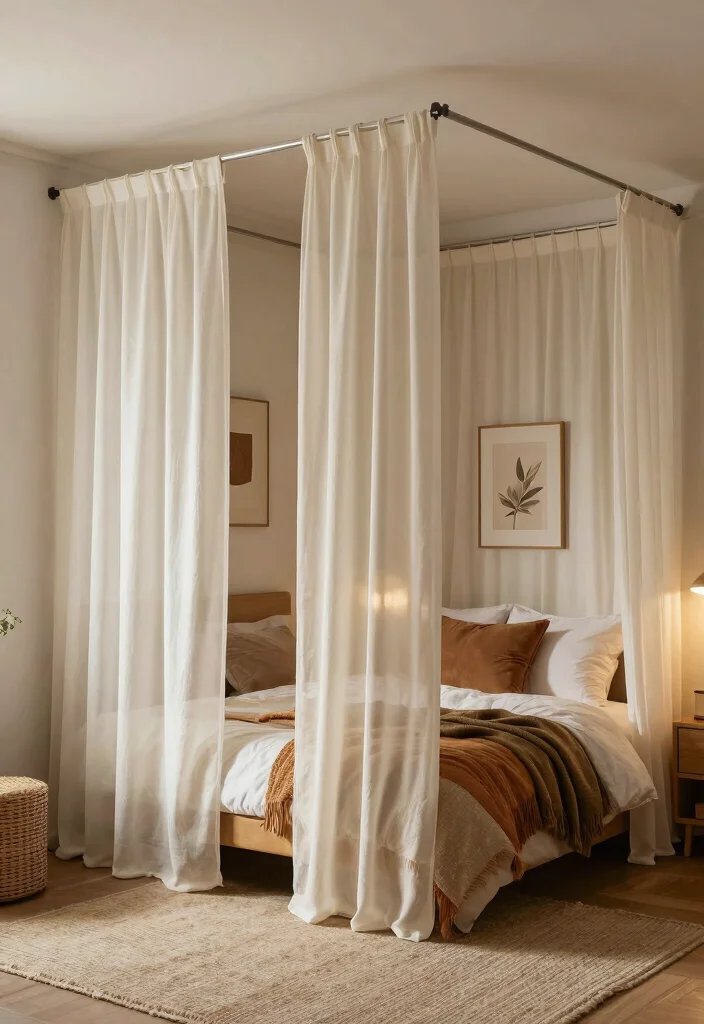
In a shared bedroom, it’s essential for each child to have their personal space. Flexible dividers like curtains or room partitions can help establish boundaries while maintaining an open feel. Tailoring these spaces to each child’s tastes allows for personal expression while keeping the overall design cohesive.
Incorporating color-coded accessories or decorations can signal ownership, helping to promote respect for privacy. Balancing personal areas with shared spaces fosters cooperation and togetherness, especially important during the teenage years.
Tips:
– Use lightweight curtains that can be drawn or pushed aside.
– Make sure that personal space doesn’t lead to isolation; encourage cooperation!
– Adjust the layout to ensure equal space for both children.
This thoughtful arrangement allows children to feel valued while still nurturing a sense of unity.

Self-Storage Nook: This wall bookshelf for kids has 3 tiers for categorized storage of storybooks, schoolbooks, and toys. Three bottom hooks are ideal for kids' backpacks, cameras, etc., encouraging their organization habits

FRONT-FACING BOOK DISPLAY: Helps kids easily see and choose their favorite books by displaying covers instead of spines, encouraging reading independence and daily engagement

Perfect Height for Young Users:This kids bookshelf stands at 110cm (43.9in) – a kids bookshelf built for easy book access. A kids bookshelf encourages independent use, fostering reading habits and reducing clutter. Ideal for story time, this kids bookshelf creates a dedicated learning or play area.
10. Playful Lighting Options
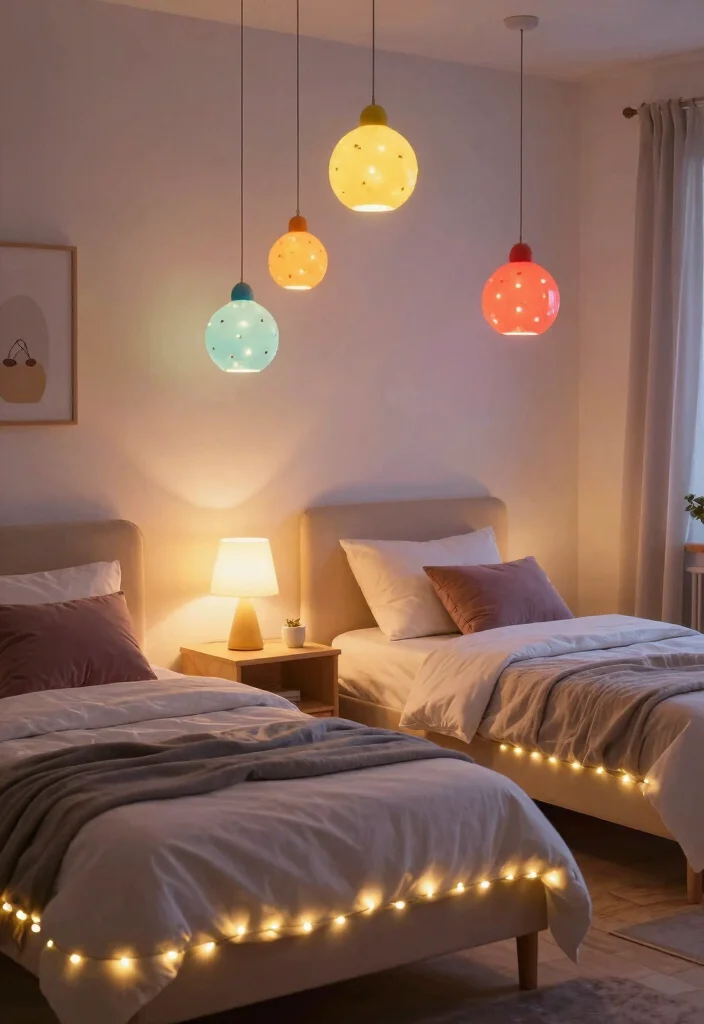
Lighting plays a vital role in setting the mood in a shared bedroom! Choose playful fixtures like whimsical pendant lights, colorful bedside lamps, or fairy lights to create a cozy ambiance. Layering different lighting sources allows for easy transitions from playtime to bedtime, enhancing the room’s versatility.
Incorporating dimmers can provide control over the atmosphere, making the space feel secure and inviting, especially for younger children. Creative night lights can also add a touch of fun while providing comfort during nighttime hours.
Tips:
– Mix various light sources to create a warm glow.
– Choose light fixtures that echo the room’s theme.
– Use LED bulbs for energy efficiency.
This lighting strategy fosters a welcoming environment, making the room feel like a magical haven for kids.
Fun fact: Layering three lighting sources—ambient, task, and accent—can make a bedroom with 2 beds feel up to 30% cozier and more versatile. Dim the mood with dimmers for bedtime, brighten for play, and keep your kids confident in their space.
11. Creative Wall Art
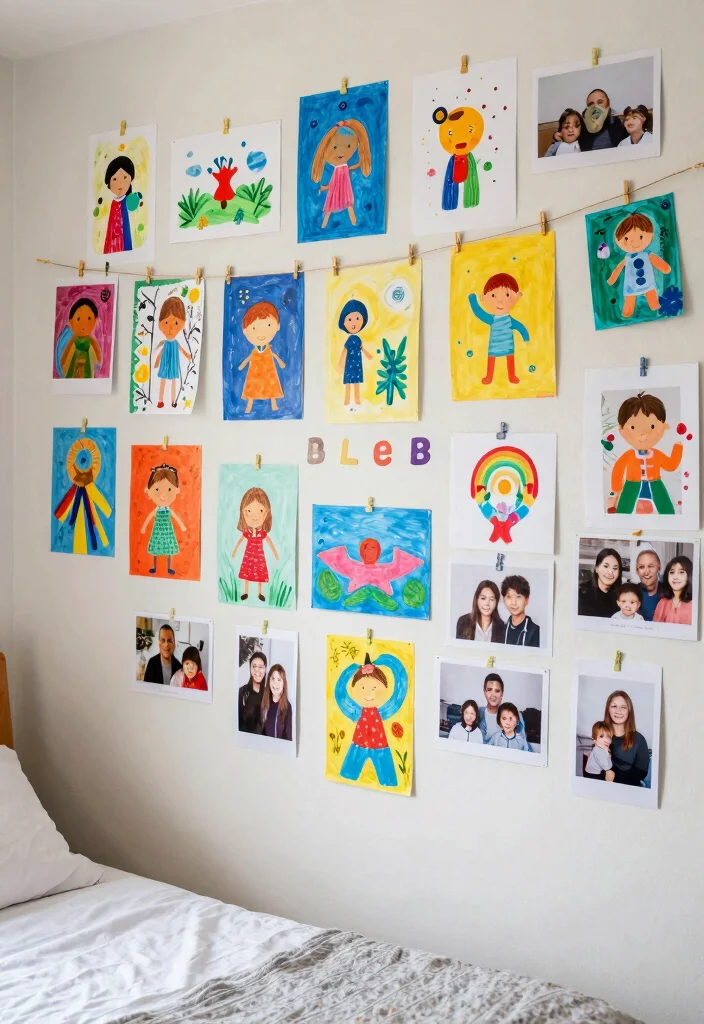
Wall art can be a vibrant expression of each sibling’s personality in a shared bedroom! From framed photos to DIY crafts, incorporating a mix of pieces that reflect individual interests while maintaining a cohesive theme can make the space feel special. Involving children in selecting or creating wall art adds a personal touch that enhances their connection to the room.
Using removable adhesive hooks allows for easy rearrangement, keeping the room fresh and adaptable to evolving tastes. This flexibility fosters creativity and ownership among siblings.
Tips:
– Choose a gallery style to showcase various art pieces.
– Use string and clothespins for a fun, interchangeable display.
– Consider a chalkboard wall for doodles and notes.
Regularly updating wall art keeps the room vibrant and encourages kids to express their creativity.
In a bedroom with 2 beds, wall art becomes a daily conversation starter—each piece tells a story. Let kids choose and swap artwork using removable hooks, and watch the space evolve with their growing tastes.
12. Efficient Use of Vertical Space
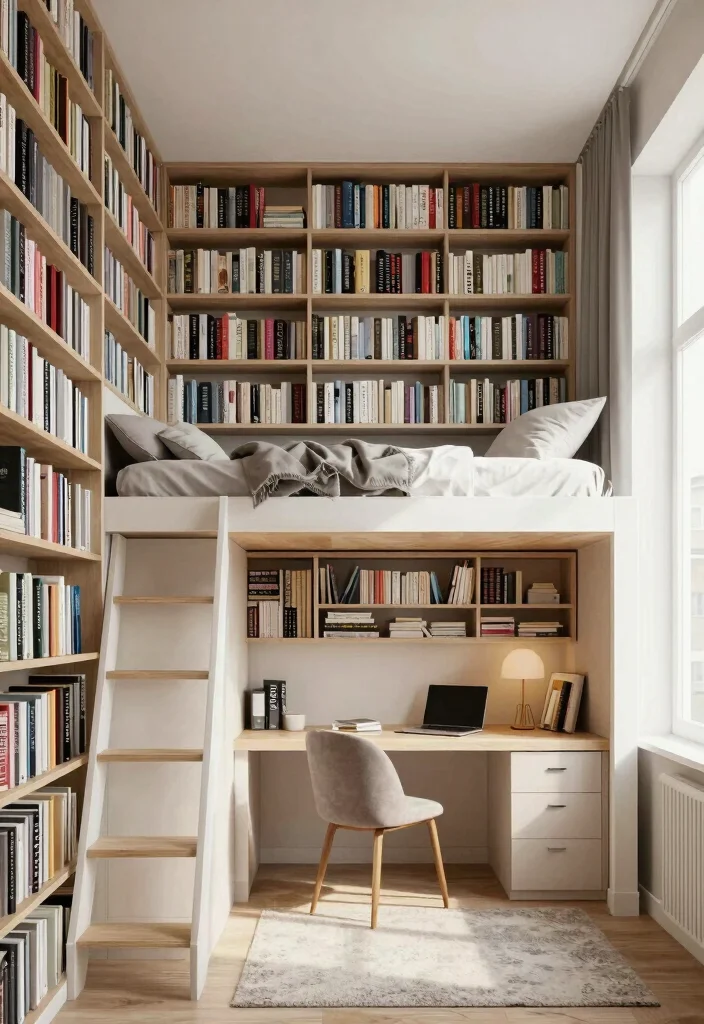
Maximizing vertical space can significantly enhance a shared bedroom’s functionality. Utilize tall bookshelves, wall-mounted storage, and lofted beds to take advantage of this often-overlooked area. Tall shelves keep books and toys accessible while freeing up valuable floor space for play and movement.
Lofted beds are especially popular, creating room for a desk or play area beneath. This clever use of height fosters an engaging environment, allowing siblings to thrive together. Ensuring safety by securing tall furniture to the wall is essential for peace of mind.
Tips:
– Secure tall furniture to the wall for safety.
– Use bins on shelves for easy access to toys.
– Choose light-colored shelving to keep the space feeling open.
This vertical design strategy not only promotes organization but also encourages exploration and creativity.
13. Shared Desks for Study Time
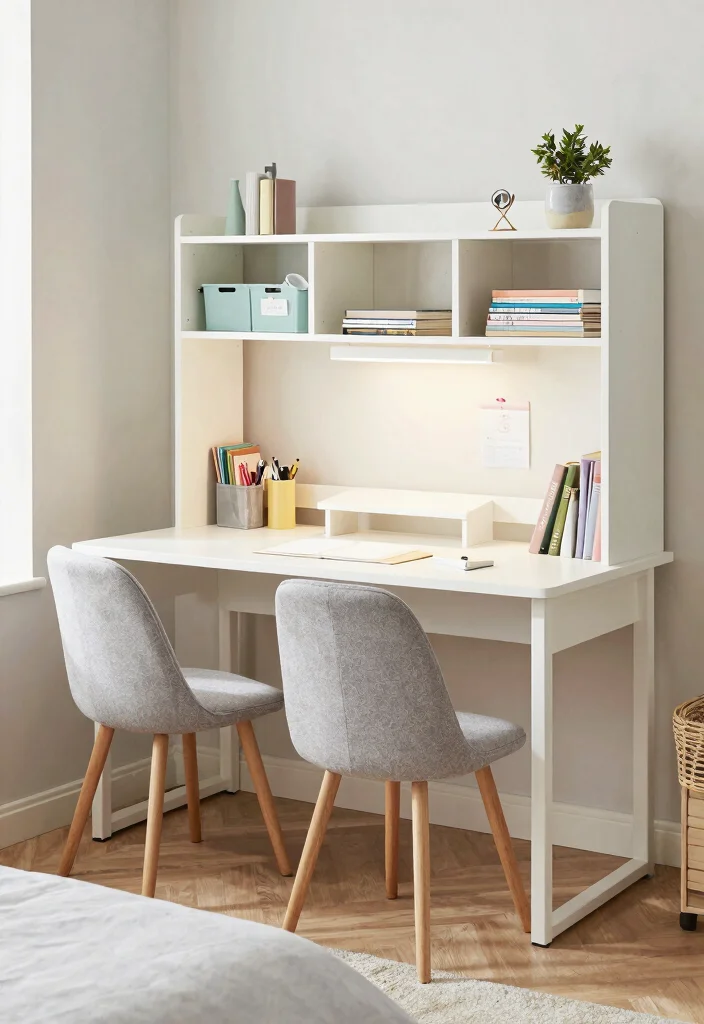
A shared desk can become a collaborative hub for homework and projects! Choose a spacious surface that accommodates both children, allowing them to work side by side while focusing on their studies. Comfortable seating and ample storage for school supplies help keep the area organized and inviting.
This setup encourages teamwork, enabling siblings to support each other with assignments while developing communication skills and friendship. Personal touches, like name tags or photos, can make the workspace feel uniquely theirs.
Tips:
– Ensure there’s sufficient lighting for studying.
– Use caddies to keep supplies organized.
– Include personal touches, like name tags or photos on the desk.
This collaborative workspace not only facilitates learning but also nurtures cooperation and camaraderie.
14. Fun and Functional Rugs
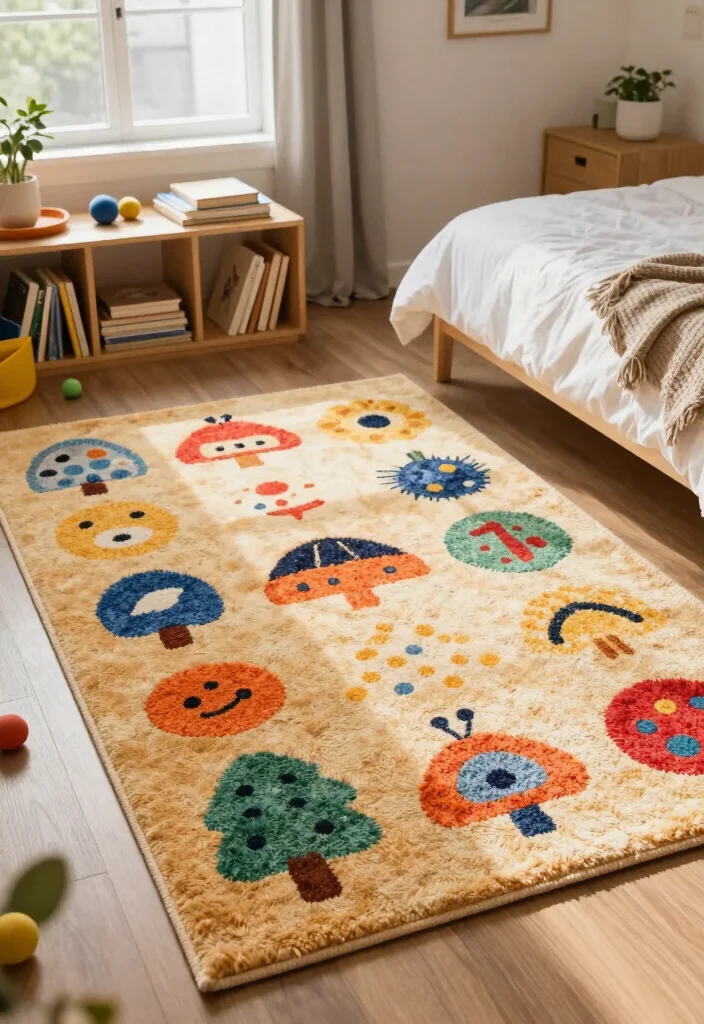
Rugs can add warmth and texture to a shared bedroom while serving practical purposes. Opt for a vibrant rug that can withstand daily activities and provide a cozy spot for both kids. Large area rugs can help define spaces, separating sleeping from play areas while offering soft textures for comfortable playtime.
Rugs are also a great way to introduce color and pattern into the design without overwhelming the overall look. Choosing machine-washable options ensures easy maintenance, keeping the space looking fresh and inviting.
Tips:
– Look for machine washable options for easy cleaning.
– Layer smaller rugs for added interest.
– Use non-slip pads to keep them secure.
A fun and functional rug can set the tone for the entire room, creating a playful and imaginative atmosphere.
15. Balancing Individuality and Togetherness
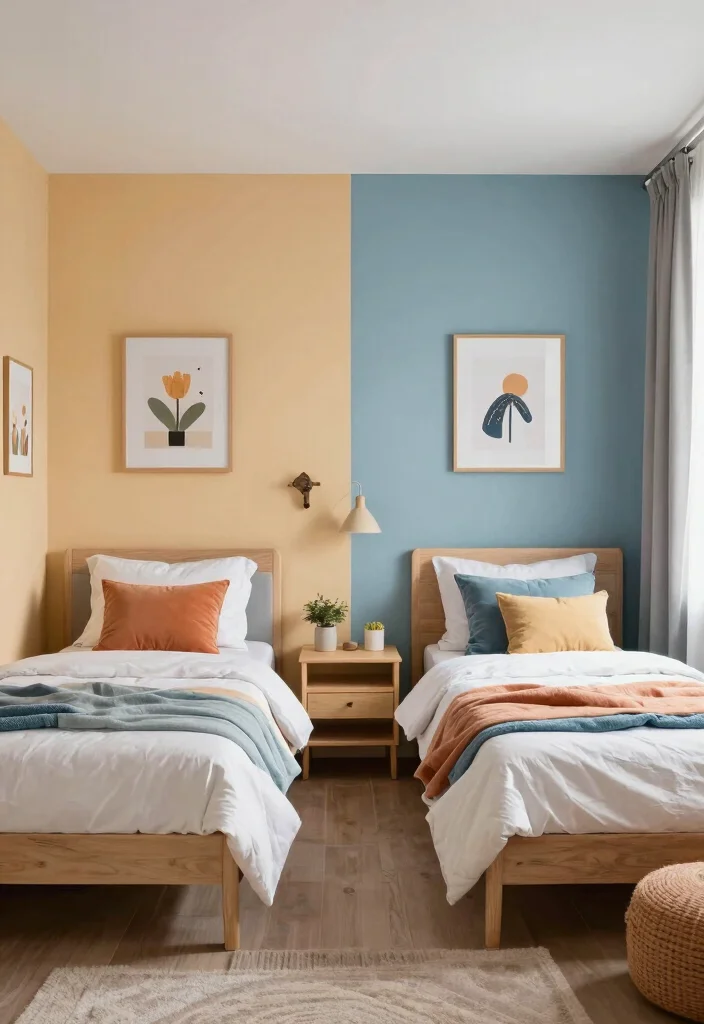
The ultimate goal in a shared bedroom is to honor both individuality and togetherness. By incorporating elements that reflect each child’s personality while maintaining a cohesive design, you create a balanced and harmonious atmosphere. Allowing each child to select bedding, colors, or decor for their area fosters personal expression while teaching the importance of sharing.
Encouraging collaboration in shared spaces promotes unity and understanding, creating a nurturing environment. Revisiting the design regularly allows it to evolve with their growing personalities, keeping the space relevant and enjoyable.
Tips:
– Balance shared and private spaces with thoughtful planning.
– Keep communication open—what works today might need adjustment later!
– Regularly revisit the design to adapt to their growing personalities.
This balanced approach nurtures laughter, love, and lifelong memories, making the bedroom a cherished space.
Conclusion
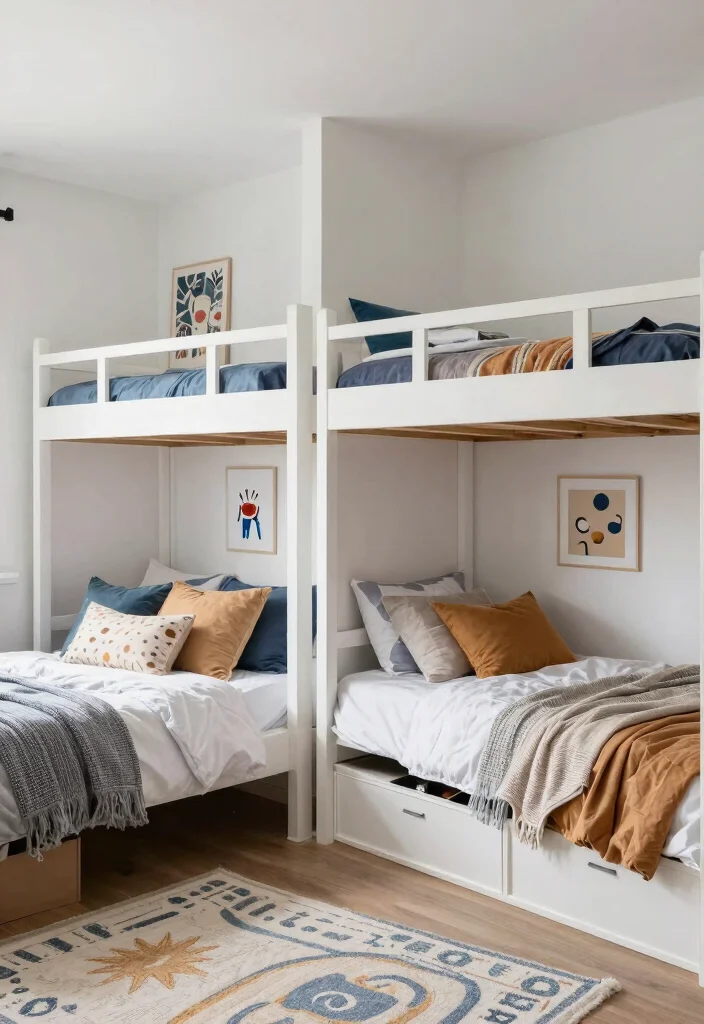
Creating a shared bedroom with two beds can be both practical and stylish, offering a unique design opportunity that reflects the personalities of your kids while maximizing space.
From bunk beds to cozy reading nooks, these ideas strive to balance individuality and togetherness, ensuring harmony in the room. Encourage creativity and collaboration as you embark on this design journey, making a space where memories will flourish.
Frequently Asked Questions
What’s the best layout for a bedroom with 2 beds to maximize floor space?
For a bedroom with 2 beds, start with an efficient layout that keeps walkways clear—options include an L-shaped arrangement or parallel beds with a shared storage wall.
Choose beds with built-in drawers to hide linens and toys, and add a slim wall-mounted nightstand or sconces to keep surfaces tidy.
Use vertical storage (wall shelves) and a compact area rug to define each side without crowding, and lean on small space solutions to stay practical.
How can I nail a practical shared bedroom design for siblings in a small room?
Think in zones—sleeping, study, and storage—so each child has a defined area without clutter.
Use matching yet distinct bed frames to give a sense of ownership, plus privacy options like a light-diffusing curtain or a folding screen between beds.
Maximize vertical space with tall bookcases and wall-mounted desks, and choose a cohesive color palette with personal accents to keep the room calm. This shared bedroom design works in tight spaces and relies on smart small space solutions.
Which multifunctional furniture pieces work best in a stylish twin bedroom?
Look for beds with built-in storage, a loft or bunk setup with a desk underneath, a storage ottoman that can double as seating, and wall-mounted shelves to free floor space.
Pair these with a compact wardrobe or an over-the-desk organizer so everything has a home, keeping the space stylish twin bedroom clean and functional.
What are easy decorating ideas for a stylish twin bedroom that still works for kids (kids room inspiration)?
Start with a cohesive color palette and durable fabrics—think easy-to-clean textiles and fade-resistant paints.
Use removable wall decals or fabric panels to add personality without permanent changes, and give each bed a small personalized touch (different pillows, throws, or color accents).
Add a shared reading nook, a compact desk area, and kids room inspiration ideas that keep the room balanced, calm, and playful.
How can I maximize small space solutions in a bedroom with 2 beds while keeping it comfortable?
Prioritize vertical storage—tall bookcases, wall-mounted organizers, and shelves above each bed—to keep floor space clear.
Choose multifunctional furniture like beds with drawers and a fold-away desk, plus an under-bed storage system for seasonal items.
Finish with a light color palette and ample task lighting so the room feels bigger and welcoming, a true bedroom with 2 beds setup.
Related Topics
home decor
shared bedroom design
stylish twin bedroom
multifunctional furniture
small space solutions
kids room inspiration
sibling space
creative layouts
budget friendly
easy organization
modern design
functional decor