Wood walls in a bathroom range from paint-grade pine shiplap you can install in a weekend to reclaimed boards that need cleaning, sealing and a waterproof finish rated for wet spaces.
The choice comes down to how much moisture hits the wall.
Vertical slats, tongue and groove, and board and batten all change how tall the room feels, and wainscoting keeps the wood below splashback height so you’re not repainting or refinishing the full wall.
1. Vertical Wood Slats
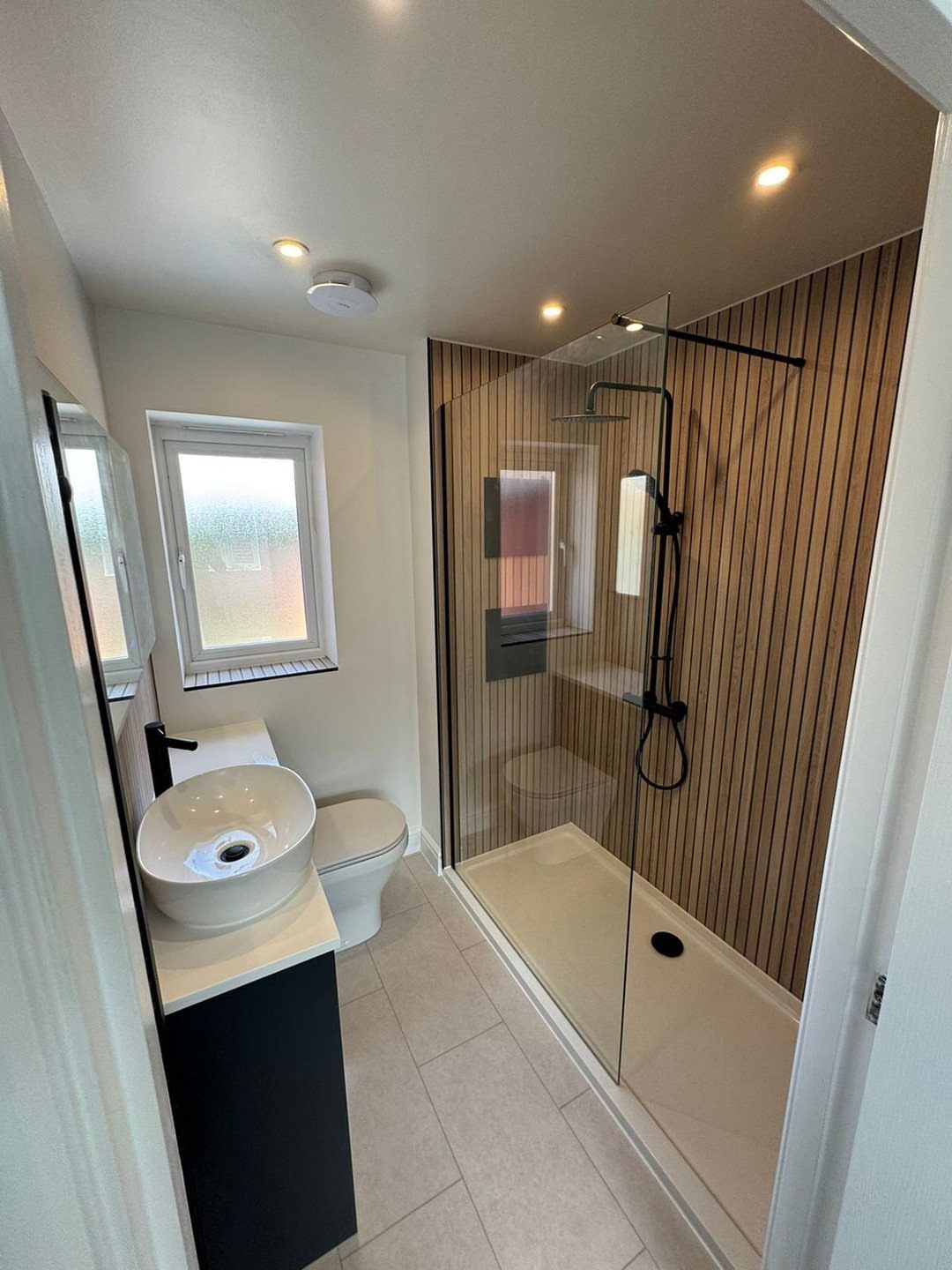
Vertical slats create a ribbed surface that pulls the eye upward and makes the ceiling feel higher than it is. The spacing between boards adds dimension without covering every inch in solid wood, so the look stays lighter.
In a shower like this one, the slats need a moisture-resistant species. Cedar and teak hold up well to humidity, or you can use treated pine if the budget is tight and ventilation is strong.
Space the slats 1–2 inches apart so water doesn’t pool behind them, and seal the wood with a waterproof finish rated for wet areas.
The vertical line reads modern and clean, especially in a small bathroom where horizontal planks can chop the wall into shorter sections.

【REAL WOOD】– Made of 100% dried fir wood imitating vintage reclaimed barnwood appearance for interior finish. The colors will vary from browns to grays depending on the batch.
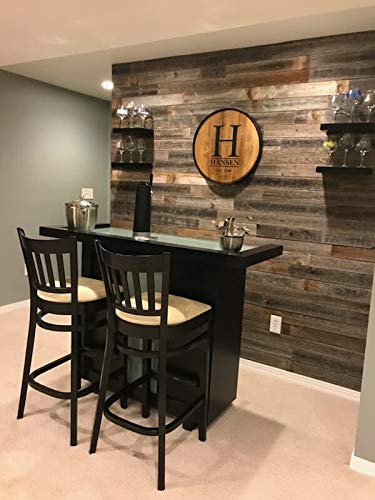
Authentic Reclaimed Wood: Bring genuine rustic character to your creative projects with real, naturally weathered reclaimed wood. Each plank has its own unique patina and aged appearance that cannot be replicated by ordinary new wood.

Premium Teak Wall Panels & 100% Real Wood for Interior Walls - Our teak wall panels are made from 100% natural, reclaimed teak wood, offering unmatched durability, texture, and richness for interior spaces. Each panel features unique grain patterns, warm brown tones, and organic character that bring depth to any design. Perfect for anyone searching for real teak wood wall panels. These panels are ideal for enhancing indoor wall paneling projects in homes, offices, or commercial interiors. A premium choice for designers looking to add authentic wood wall paneling for interior walls.
2. Shiplap Walls
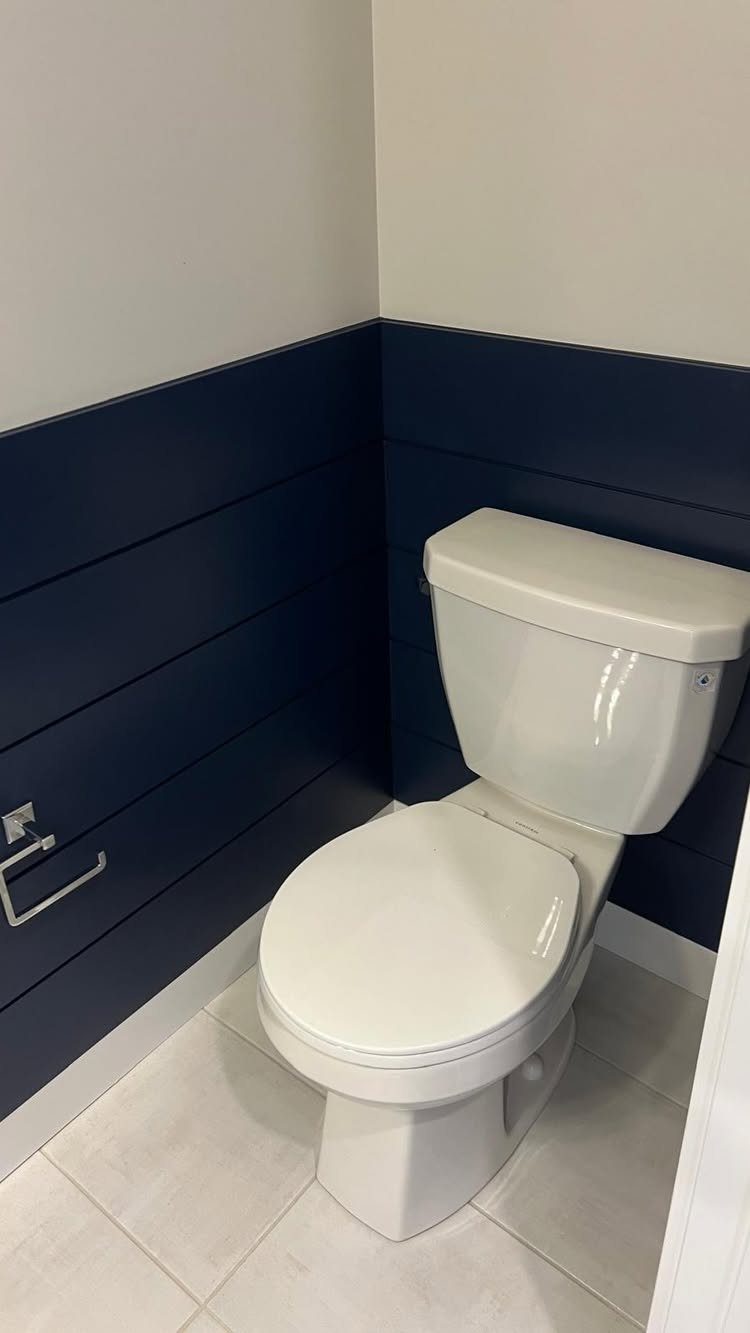
Shiplap planks run horizontally with a small gap at each seam, giving you a farmhouse or coastal look that works in just about any bathroom.
White shiplap reflects light and makes a small room feel bigger, while a darker color like this navy adds weight and contrast without needing tile.
Paint-grade pine shiplap is available at most home centers.
You can install it over drywall with a brad nailer and construction adhesive, then caulk the seams and paint. Satin or semi-gloss paint lets you wipe moisture off the surface instead of letting it soak into the grain.
Half-height shiplap like this wainscoting keeps the wood easy to reach for painting or repairs, and it breaks up the wall so the room doesn’t feel too heavy.

PVC WALL PANELS, 6-PIECE KIT: Elevate your walls with Plastpro’s 3-ft wainscoting panel kit. The complete solution for bathrooms, kitchens, bedrooms & living rooms. Includes 6 reversible PVC panels (3 ft high × 7¼ in wide), each pre-finished, pre-grooved, and ready to interlock. No nails or adhesive required.

Flexible Sizing, Easy Cutting: reversible PVC wainscoting panels are approximately 7 inches/18 cm wide, 3 ft/ 91.44 cm high, and 0.25 inch/0.65 cm thick, with a set of 10 panels; The panels can be easily cut to any length to fit various corners and spaces, achieving a seamless, professional installation

PVC WALL PANELS, 7-PIECE KIT: Elevate your walls with Plastpro’s 8-ft wainscoting panel kit. The complete solution for bathrooms, kitchens, bedrooms & living rooms. Each set includes 7 reversible PVC panels plus trim. Simply snap tongue-and-groove edges together for a seamless professional finish in hours. No special tools required.
3. Wood Wainscoting
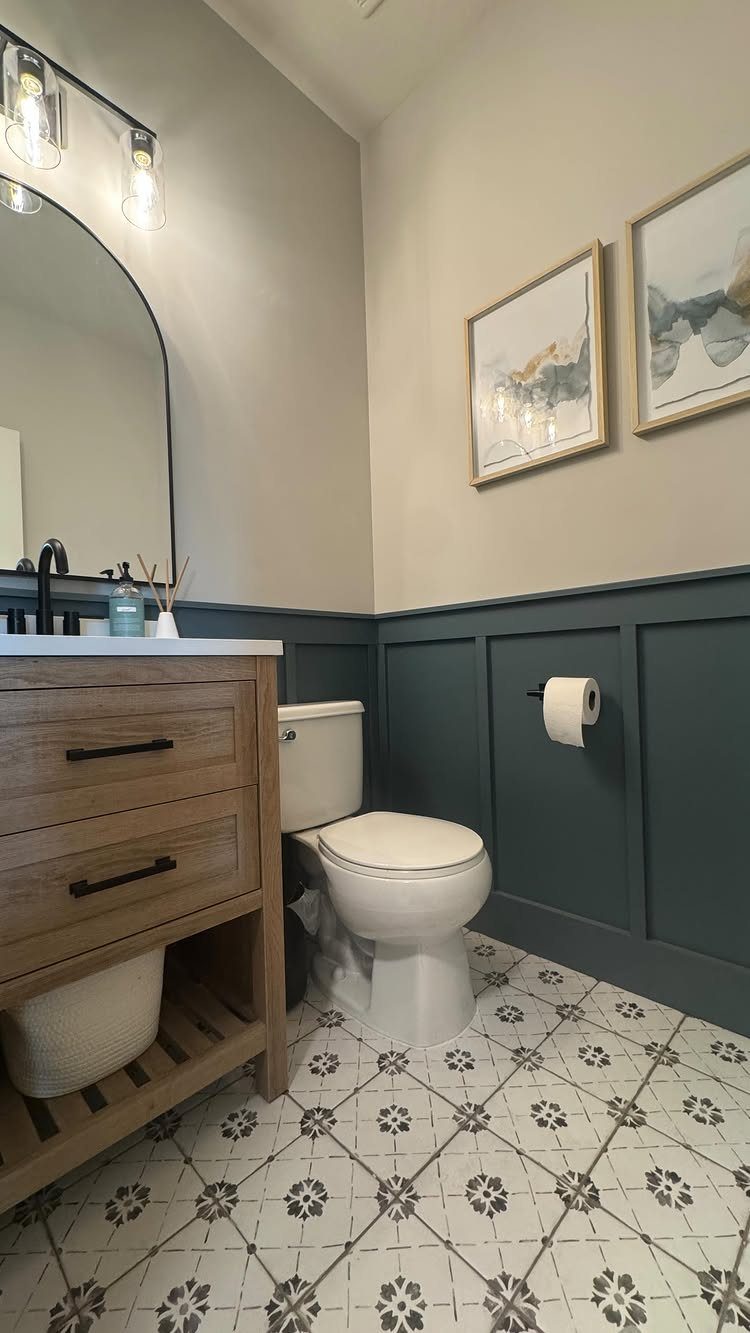
When you clad only the lower half, you still get the character of the paneling without covering every wall. That makes it easier to repaint or repair, and it keeps cost down when you’re covering multiple walls.
Painted wood wainscoting like this teal panel hides scuffs better than white, and a bold color gives the bathroom personality without needing art or tile on every surface.
Wainscoting typically lands just above the toilet tank and catches the water that splashes during everyday use.
Install it the same way you would shiplap: nail through studs, caulk the seams, then paint with a moisture-resistant finish. The upper wall can stay painted drywall, which keeps the budget manageable.
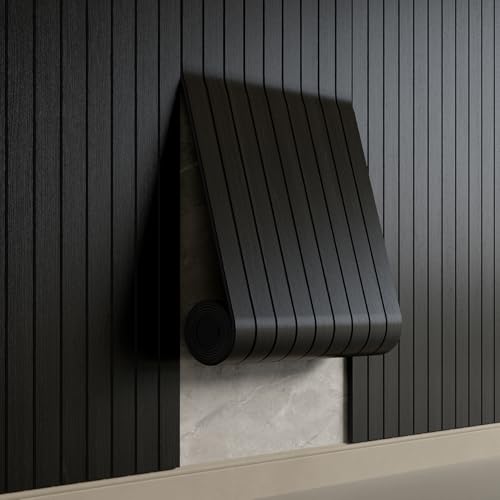
Effortless Peel & Stick Installation--Enjoy hassle-free setup with our self-adhesive PVC slat panels! Just measure, peel off the backing, and press onto any clean, flat surface—no tools or expertise needed. Perfect for DIY beginners and quick home makeovers.


Sleek Design: The Art3d Wood Wall Panels feature a timeless, versatile aesthetic with their neutral wood tone and clean, modern lines. Including 16-pack wall panels (each measuring 122 x 16 x 0.8 cm) along with all the necessary installation kits
4. Tongue and Groove Wall
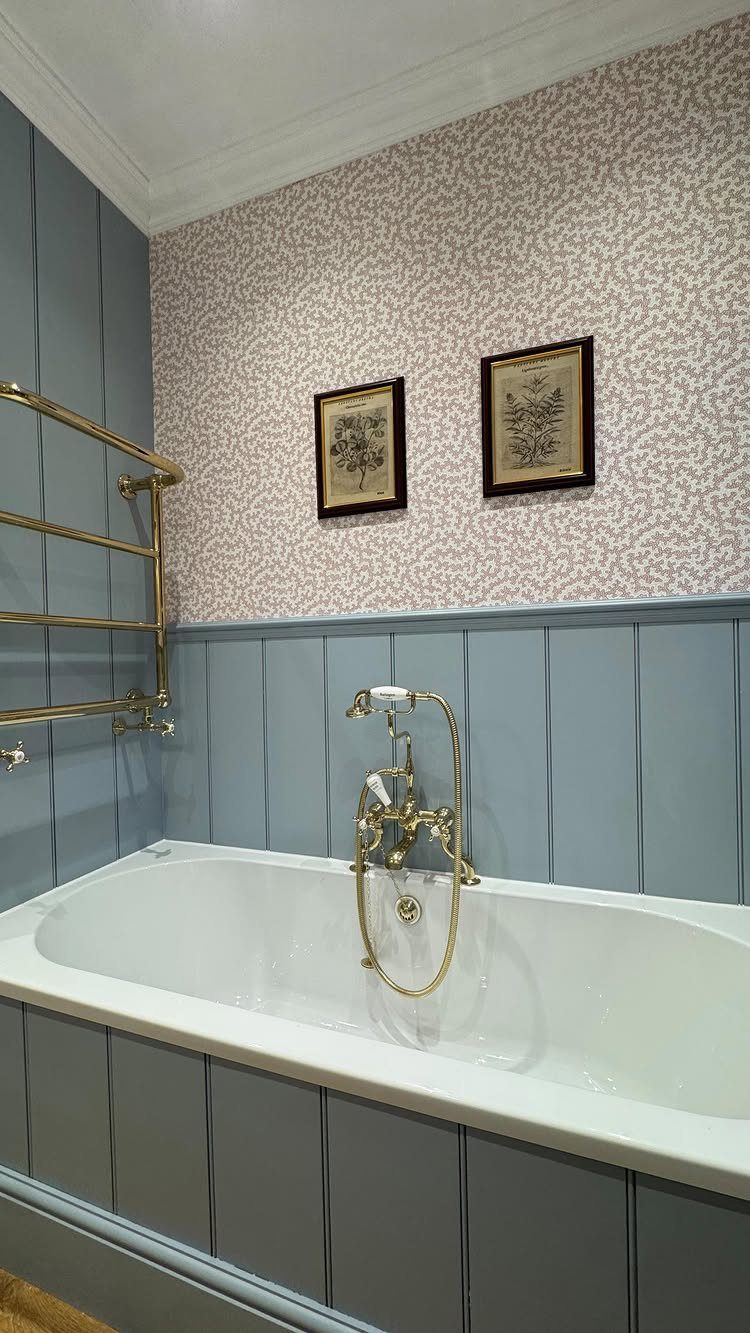
Tongue and groove boards lock together with a fitted edge, so the seams stay tight and the wall surface reads as one plane instead of separate slats. The connection hides fasteners, and the smooth finish takes paint cleanly.
This grey-blue paneling runs to mid-height, then hands off to floral wallpaper above. That split keeps the wood from feeling too cabin-like, and it gives you two surfaces to play with instead of committing one material to the whole room.
Pine tongue and groove is sold at most lumber yards, and you can finish it with paint or stain once it’s up.
Install it with a finish nailer through the tongue, then fill and sand the bottom edge where it meets the floor trim.

Pre-Sloped Base Design: Upgrade your bathroom with the W-S Shower Niche by GURU USA; The shower niche features a 1.9% pre-sloped base, ensuring proper water drainage and preventing any unwanted moisture buildup

Sealed and 100% Waterproof: VEVOR shower bays use XPS extruded foam board, cement mortar, waterproof coating triple waterproof substrate, 100% sealed and waterproof, which not only can protect the wall and extend the service life of the wall but also effectively prevent water penetration into the wall, keep the indoor dry and sanitary. Note: This product is not ready for direct use. Surface layer, such as tile, must be applied to the surface before use!!!
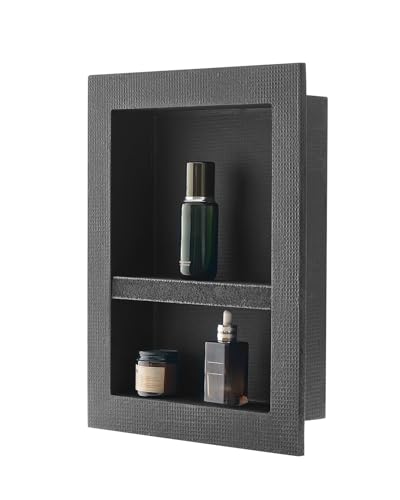
Sealed and Waterproof: The insert shower niche uses a triple-layer waterproof base of XPS foam board, cement mortar, and waterproof coating, ensuring 100% sealing. It safeguards walls from wet and humidity, extending their lifespan and avoiding water penetration, keeping interiors dry and hygienic. Note: This product needs to be used in conjunction with waterproofing materials, not on its own!!!!
5. Reclaimed Wood Cladding
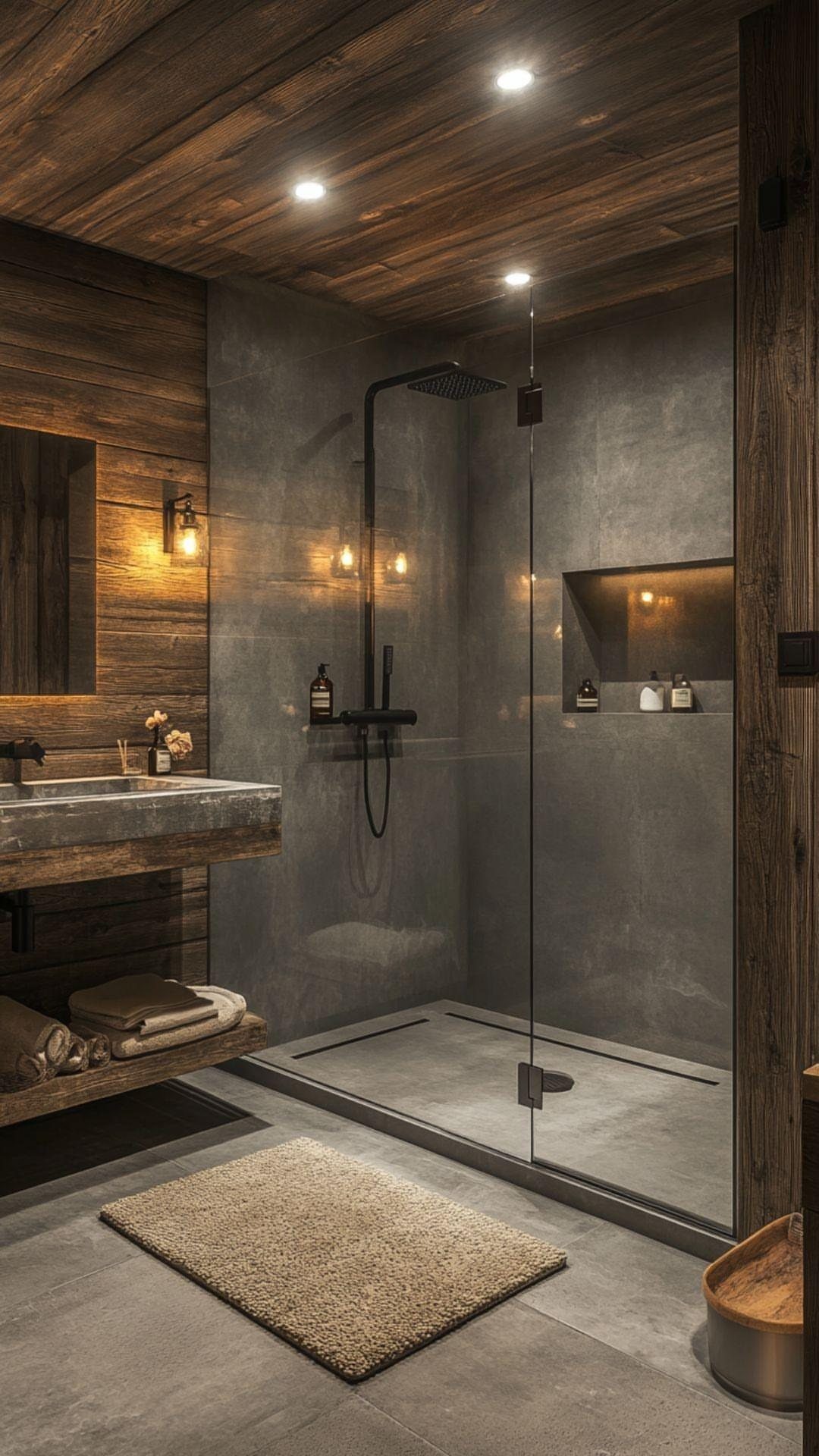
Reclaimed wood brings in boards with visible wear, nail holes, and color variation that new lumber can’t fake. The texture makes a small bathroom feel deliberate, and the patina adds warmth without needing rugs or art to soften the space.
Reclaimed wood costs more than fresh stock, but the weathered grain and nail holes give you a finish you can’t buy new.
You’ll need to clean, sand, and seal each board before installing it. In a bathroom, especially one with a shower like this, use a penetrating sealer or marine-grade finish so moisture doesn’t rot the wood or lift the surface.
The concrete and stone in this bathroom balance the wood’s warmth with cool, smooth surfaces. If your bathroom is small, keep the reclaimed wood to one accent wall so the texture doesn’t overwhelm.

Maximize Your Space: 6.7"D x 15.7"W x 1.5"H. 6.7" depth, ideal for books, baskets, toilet paper, or towels. Includes 2 shelves for optimal use of space

𝐌𝐨𝐝𝐞𝐫𝐧 & 𝐌𝐢𝐧𝐢𝐦𝐚𝐥𝐢𝐬𝐭 𝐒𝐭𝐲𝐥𝐞 - Featuring clean lines and a rustic brown finish, these wall-mounted shelves bring warm farmhouse charm and modern style to any space. Perfect as shelves for room decoration, book shelves display, and rustic farmhouse wall decor — they elevate your bathroom wall art vibe, bedroom aesthetic, living room style, kitchen organization, office setup, and laundry room storage all in one versatile design

Natural Wood Floating Shelves: These real wood shelves are handcrafted from 100% solid pine and finished in a warm walnut tone that highlights natural grain and knots for a clean rustic and farmhouse look
6. Square Wood Paneling
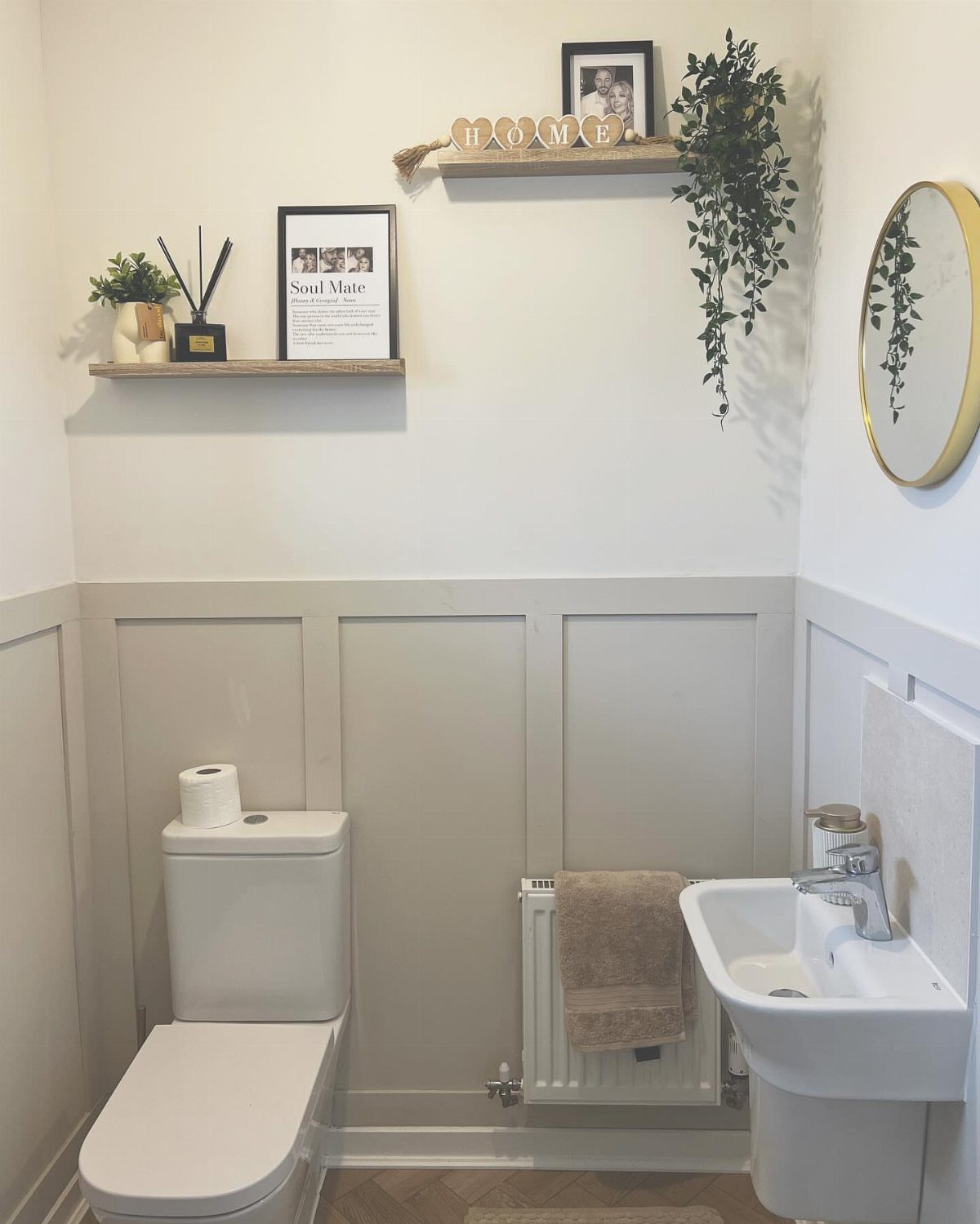
Square panels sit inside a grid of trim, so the wall reads as a series of framed sections instead of one flat surface.
The depth adds shadow lines that make the lower half of the room more interesting without tile or busy wallpaper.
This grey paneling stays below the chair rail, which keeps the squares from feeling too formal or traditional. You can build the grid with 1×4 trim nailed over drywall, then paint the whole assembly one color for a clean look.
If you want more contrast, paint the recessed squares a different shade or use beadboard inside each frame instead of flat drywall.
The geometry works best on a taller wall where the squares can stack vertically. On a short wall, the grid can feel cramped.

Real Wood Wall Planks: 100% Real Barn Wood Wall Planks With Natural Knots and Dents, the Surface Of Wood Shiplap Planks Is Processed With High Temperature Carbonization, the Real Wood Wall Shiplap Planks Is Non-Toxic, Sterilized and More Safe For Children, Voc Free Process Ensures These Stick on Shiplap Planks For Walls Are Safe To Use In Home

100% Natural Fir Wood – Rustic brown distressed finish, every plank has unique natural wood grain variations for vintage barn wall aesthetic, not dull man-made board.

EASY TO INSTALL: 3/8'' Thickness & Various Lengths Ensures Sturdy Boards For A Lifetime Of Enjoyment
7. Board and Batten
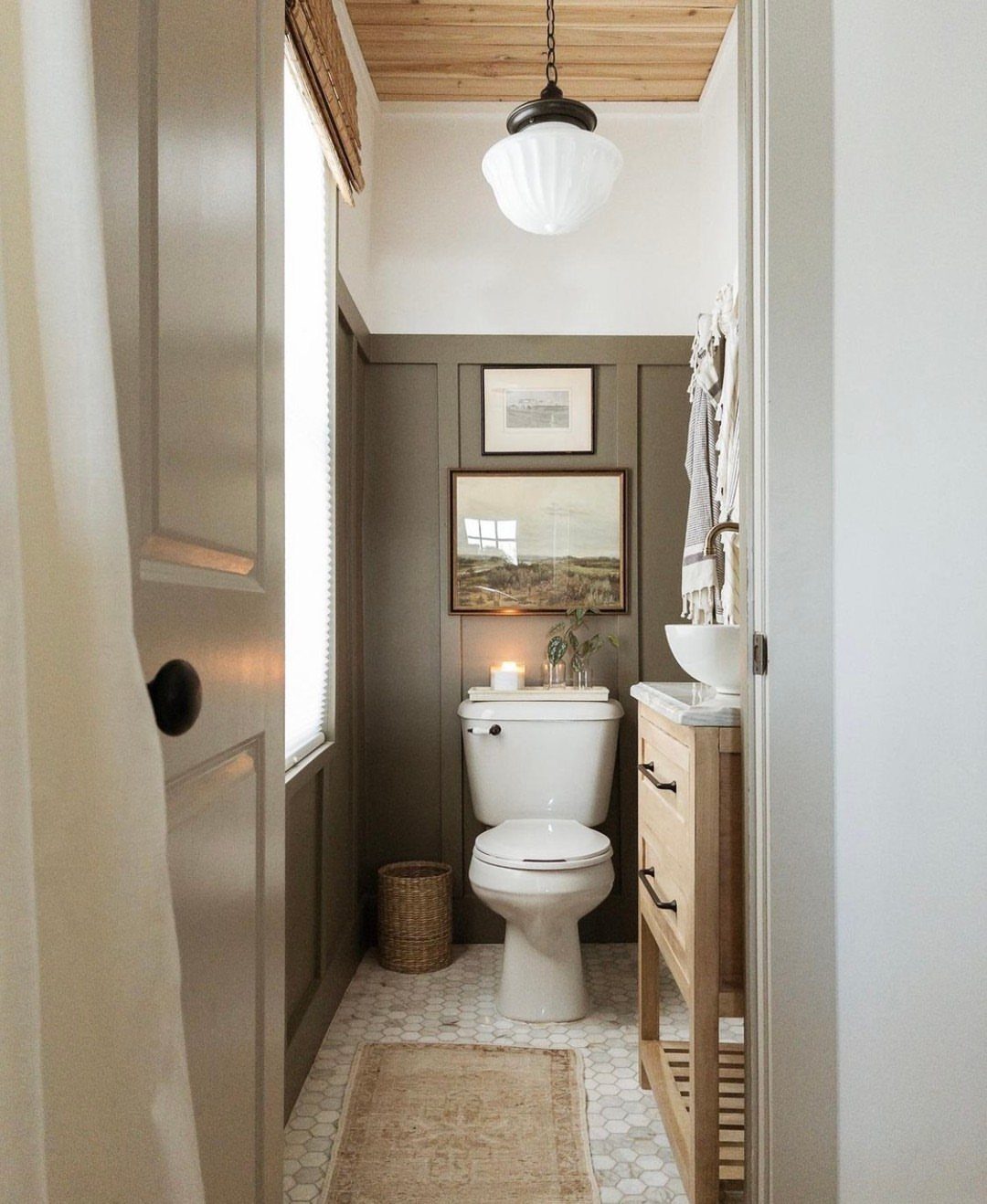
Vertical battens nailed over a flat backing create raised lines that break up the wall plane and give a bathroom architectural detail without molding every edge.
The shadow between each strip adds depth, and the vertical rhythm makes a low ceiling feel taller.
Install 1×2 or 1×3 battens over painted drywall, spacing them 12–16 inches apart.
Paint the whole surface one color so the battens read as texture, not contrast. The raised grid hides minor wall imperfections and gives you something more interesting than flat paint without the cost of tile.

Flexible Sizing, Easy Cutting: reversible PVC wainscoting panels are approximately 7 inches/18 cm wide, 4 ft/122 cm high, and 0.25 inch/0.65 cm thick, with a set of 10 panels; The panels can be easily cut to any length to fit various corners and spaces, achieving a seamless, professional installation

PLASTPRO PVC TRIM KIT, 2 PIECE: Complete your Plastpro wainscoting panels installation with the matching trim kit. Includes 1 pre-finished white PVC chair rail and 1 base molding with integrated rubber seal that blocks moisture from seeping between wall and panels. Pre-grooved to snap directly onto Plastpro 3 Ft and 8 Ft PVC wall panels.

[Luxdecor Real Wood Wall Planks]:100% Real Pine Wood Wall Planks With Natural Knots and Dents, the Surface Of Wood Shiplap Planks Is Processed With High Temperature Carbonization, the Real Wood Wall Shiplap Planks Is Non-Toxic, Sterilized and More Safe For Children,Voc Free Process Ensures These Stick on Shiplap Planks For Walls Are Safe To Use In Home
8. Wood Ceiling and River-Stone Walls
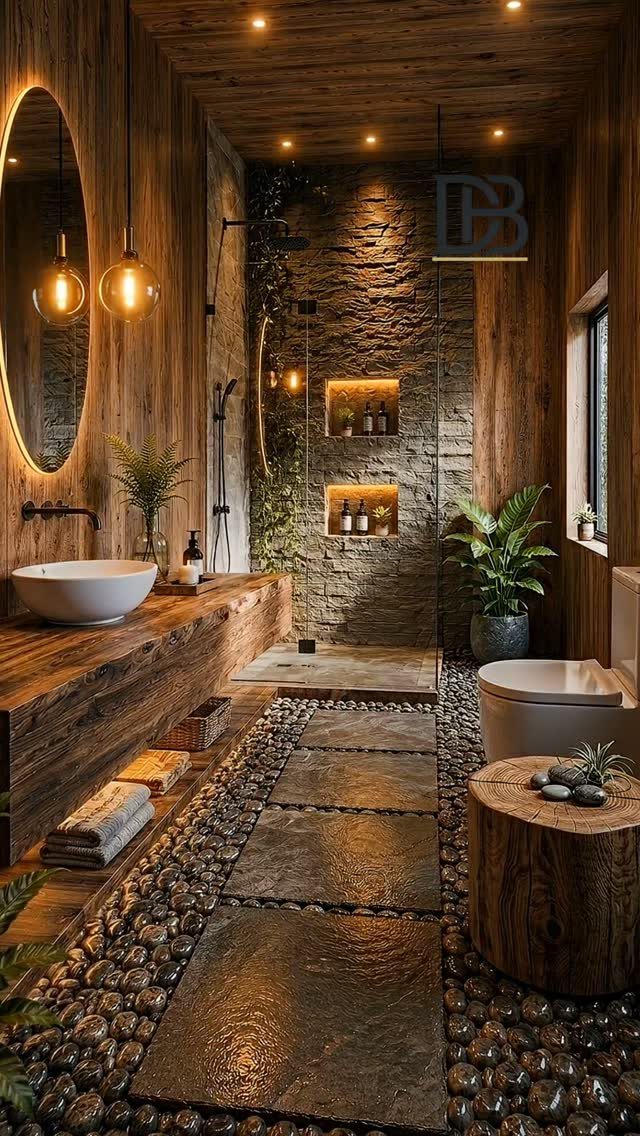
A wood plank ceiling paired with textured stone walls brings outdoor materials inside and gives the bathroom a spa-like weight.
The wood overhead softens the room while the stone grounds it, and the mix of surfaces keeps the space from feeling too slick or too rustic.
Wood ceilings need ventilation to avoid moisture buildup. Use a bathroom fan rated for the square footage, and if the wood is unfinished, seal it with a vapor barrier or a waterproof topcoat.
River stone works as a full wall or as wainscoting, and the irregular surface hides water spots better than smooth tile.


9. Wood Shower Accent Wall
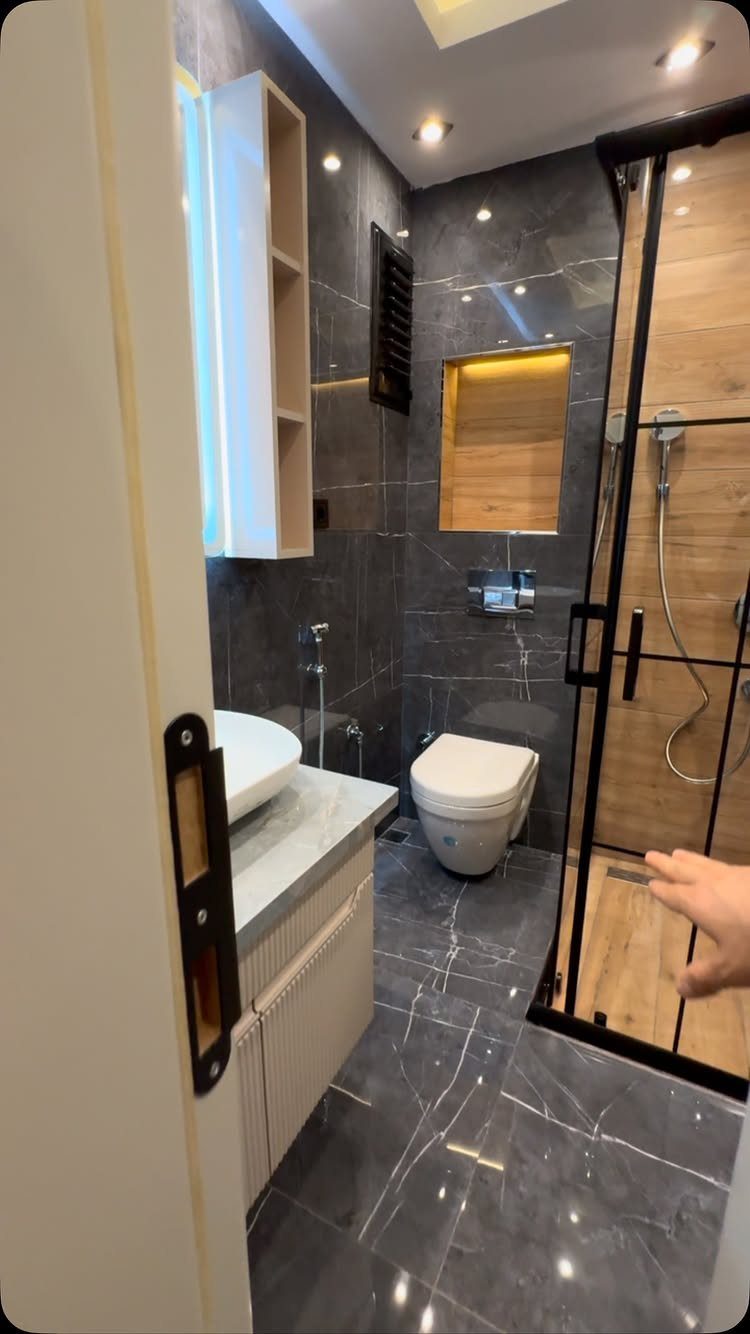
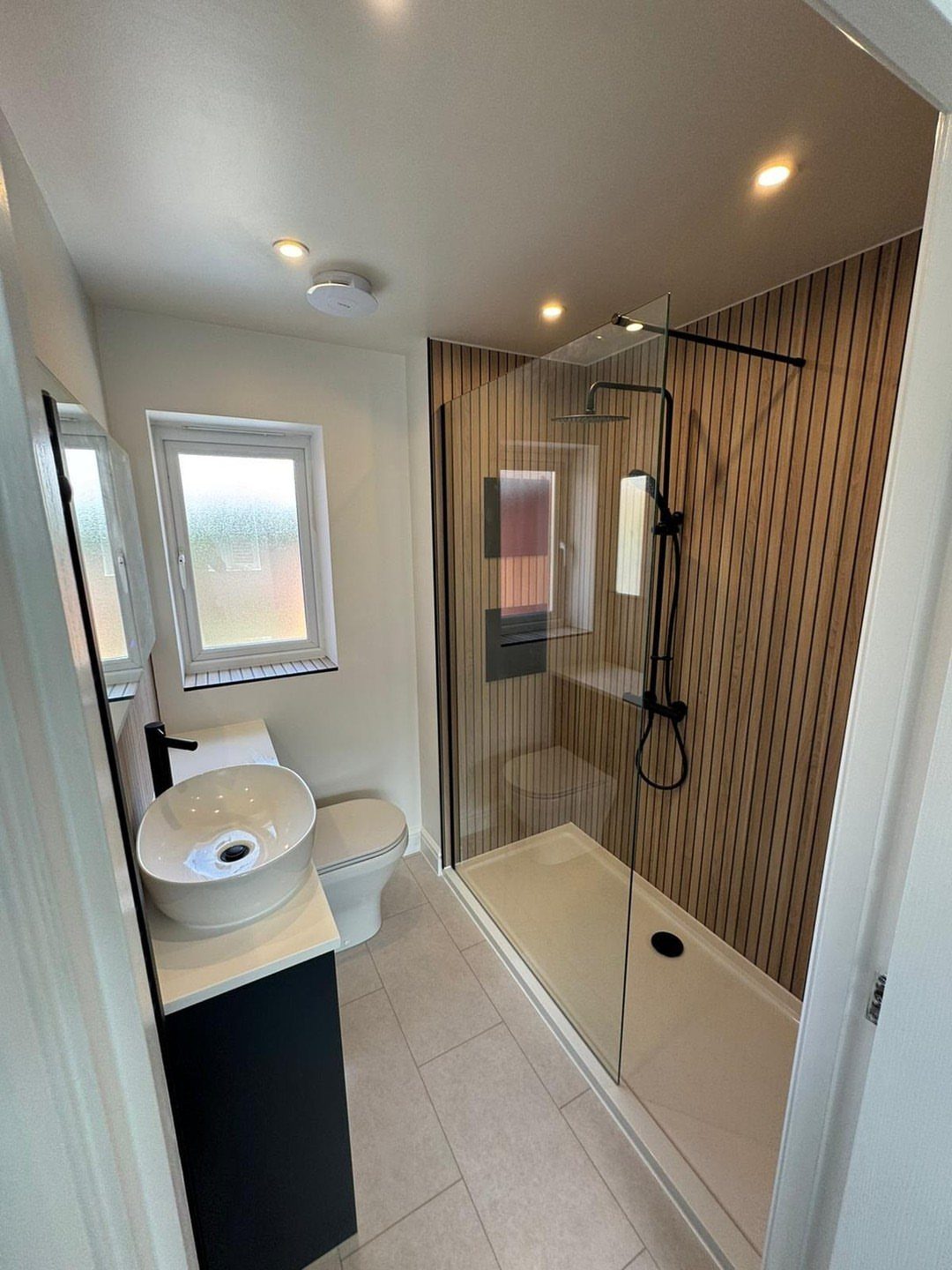
A single wood wall inside a glass-enclosed shower creates a focal point without covering the entire bathroom in one material. Light wood like this keeps the shower bright, and the grain softens the hard surfaces of tile and glass.
Water hits the wood directly, so you need a species that handles it. Teak and cedar resist rot, or you can use treated pine with a marine-grade sealer reapplied regularly.
Install the planks over a waterproof backer board, and leave a small gap at the bottom so water drains instead of pooling behind the boards.
The wood warms up the shower visually, but it takes more upkeep than tile.

Square shower niche easy installation.Overall Dimension: 16" x 16" x 3.80" | Inside Dimension: 12" x 12" x 3.80"
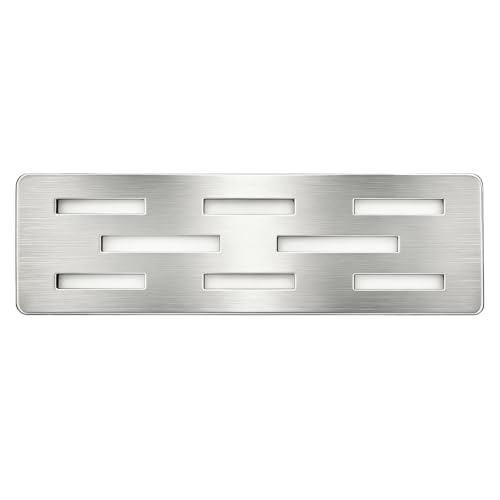
Attention :Installed during tiling (cannot be installed in a finished shower niche)

Long-Term Coverage - Backed by a 10-year limited warranty against manufacturing defects when installed per the Schluter Installation Handbook and Technical Data Sheet, following all guidelines and industry standards in effect at the time.
10. Painted Wood Wall Paneling
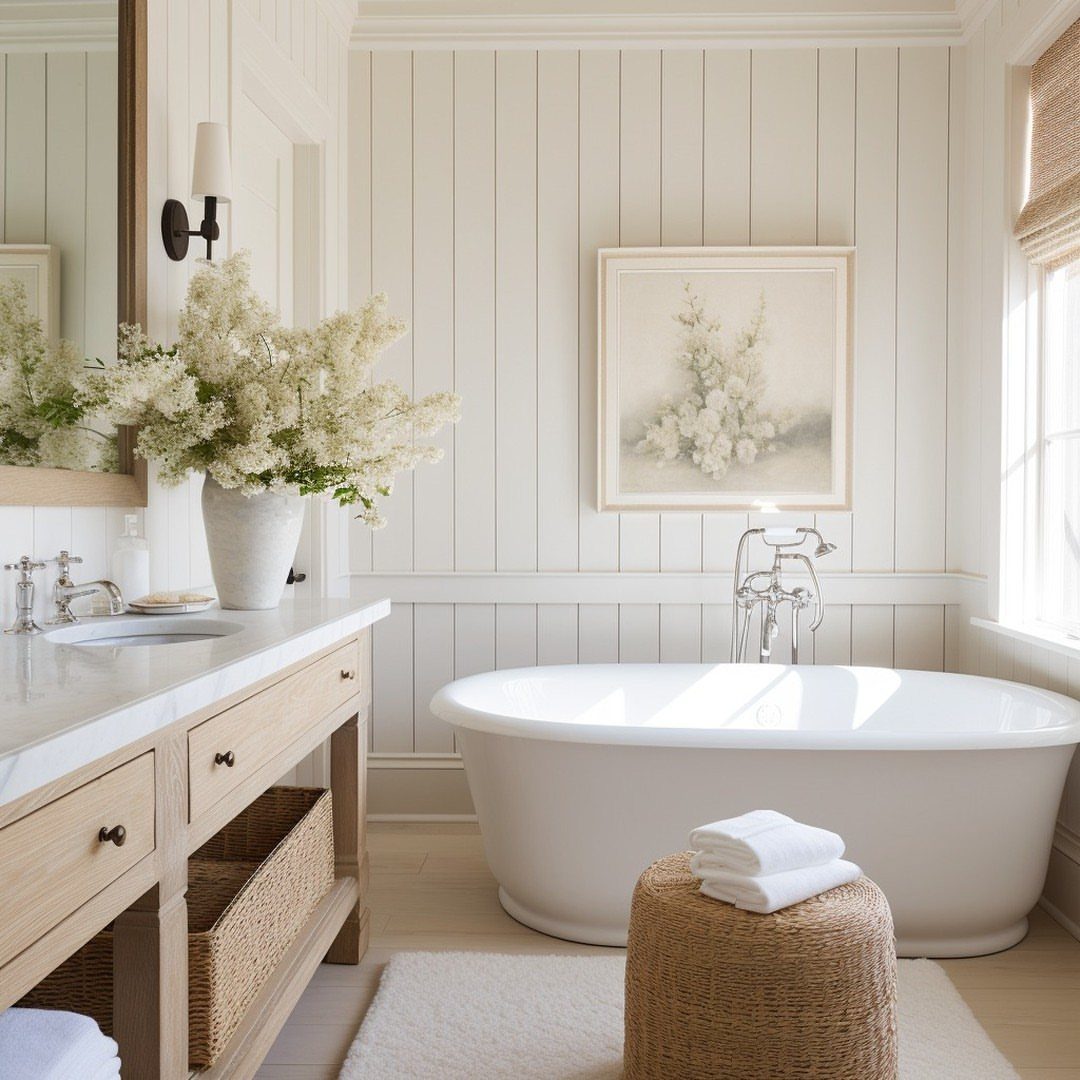
Painted vertical paneling covers the wall behind the vanity and tub in one unbroken surface, giving the bathroom a finished look without tile or wallpaper. White bounces light around and the vertical lines pull your eye up.
Tongue and groove or shiplap both work here.
Install it over drywall, then prime and paint with semi-gloss for easy cleaning. The vertical orientation suits a narrow bathroom where horizontal planks would make the walls feel shorter.
If the bathroom gets steamy, run an exhaust fan during showers so moisture doesn’t lift the paint or warp the boards over time.

𝐌𝐨𝐝𝐞𝐫𝐧 & 𝐌𝐢𝐧𝐢𝐦𝐚𝐥𝐢𝐬𝐭 𝐒𝐭𝐲𝐥𝐞 - Featuring clean lines and a warm walnut-like finish, these small floating shelves bring mid-century modern and natural wood charm to any space. Perfect as shelves for room decoration, book shelves display, and rustic wood wall decor — they elevate your bathroom wall art vibe, bedroom aesthetic, living room style, kitchen organization, office setup, and laundry room storage all in one versatile design

Material: Medium Density Fiberboard, outlasts wood in damp bathroom environments

Reclaimed Elm Wood Shelves: Marsmiles' wood floating shelves for wall are handcrafted from reclaimed elm wood (FSC-Certified), showcasing the natural beauty of wood knots, grain, and texture for a touch of character in your room decor
11. Vertical Brown Wood Planks
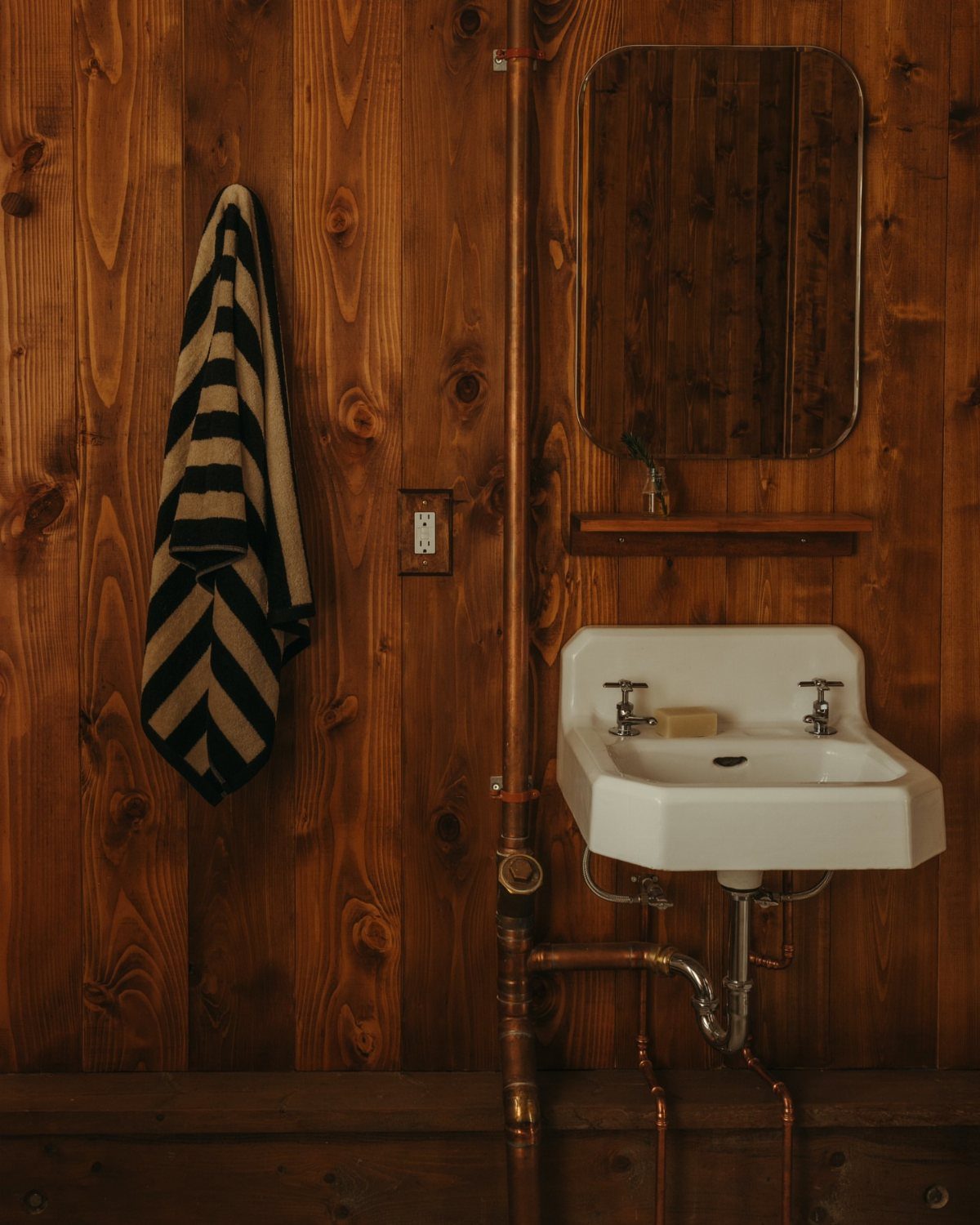
Vertical planks in a medium to dark brown bring warmth and contrast to a bathroom with white fixtures and cool tile. The rich color reads as deliberate, and the grain adds texture without pattern or tile.
Stain or oil brings out the grain, or you can use prefinished planks if you want to skip the finishing step.
The vertical line keeps the wall from feeling heavy, and the darker wood grounds fixtures that would otherwise float against a white wall.
Moisture and Wood Preparation
Wood reacts to humidity faster than tile or drywall, and bathrooms sit above 60% often enough that mold finds its way behind boards if you skip the prep.
Before you buy wood, check whether the species can handle wet air. Teak resists humidity on its own, but most softwoods and many hardwoods need a sealer rated for damp spaces.
Water sneaks in through edges and backs, and once it gets behind the wall, you won’t know until the wood warps or smells.
Before you nail anything up, locate the studs and check the drywall for soft spots or stains that signal water damage. Heavy texture needs sanding before the planks go up, or you’ll see the gaps where they bridge the peaks.
Thicker panels hold up longer, but in a small bathroom they eat space and need blocking between studs for support. Thinner panels go up faster and flex enough to follow an uneven wall.
Frequently Asked Questions
Is it okay to have wood walls in a bathroom?
Wood walls work in a bathroom when you choose a species that handles humidity and seal it properly.
Cedar and teak resist moisture naturally, while pine needs a waterproof finish and good ventilation. Install the wood over sound drywall, space boards to let water drain, and reapply sealer as needed.
What are some creative bathroom ideas with wood walls?
Slats draw the eye up and add shadow lines, shiplap bounces light around in tight spaces. Square paneling creates framed sections with shadow lines, and reclaimed wood brings in weathered grain and nail holes for texture.
Board and batten breaks up a flat wall, and wood inside a glass shower pulls focus without taking over the whole bathroom.
Can you use shiplap in a bathroom?
Shiplap works in a bathroom when you paint it with a moisture-resistant finish.
What is the cheapest way to do a wood accent wall in a bathroom?
Pine boards keep cost low because they take paint or stain easily and run $1.50–$2.00 each at home centers.
Rip down 1×2s with a table saw and you’ve just doubled what you bought. Laminate flooring on clearance works too since it arrives finished and shrugs off splashes.
Can you put a wood accent wall behind a toilet?
Behind the toilet gets seen from the door and stays dry enough that rot is not a concern. The space is small, so material cost stays low, and wainscoting here catches splashes without covering every wall.