Public bathrooms often get a bad rap. We’ve all experienced the cramped, poorly designed restrooms that leave us wishing for a more comfortable space. That’s why I decided to put together this post. There’s a lot to consider when it comes to public bathroom ideas, especially when you want to create a welcoming environment for everyone.
If you’re involved in home decor, facility management, or even just someone who cares about creating better public spaces, this post is for you. You might be a business owner looking to improve your restroom for customers, or a designer eager to make functional spaces more accessible. Whatever your role, you share a common goal: making public restrooms more efficient, stylish, and user-friendly.
In this article, I’ve gathered 14 public bathroom ideas with better layout that address various needs. From accessible stall placement to smart technology integration, these suggestions are practical and ready to implement. You’ll find insights on how to use color psychology, eco-friendly materials, and effective signage. Each idea aims to enhance the user experience and make the most of the available space. Plus, I’ll share some valuable tips on organization and design that you can easily apply.
Get ready to dive into these ideas that don’t just fill a basic need but elevate the overall bathroom experience. Together, we can transform the way we think about public restrooms and turn them into spaces that people appreciate.
Key Takeaways
– Consider accessible stall placement to make restrooms welcoming for everyone, ensuring compliance with regulations and enhancing user comfort.
– Multi-stall layouts can improve flow and reduce wait times, making the experience more pleasant for users.
– Smart technology like touchless faucets and automatic dispensers can heighten hygiene and efficiency in busy public restrooms.
– Incorporate eco-friendly materials that not only look good but also contribute to sustainability efforts, appealing to environmentally conscious users.
– Gather community feedback to continuously improve restroom designs, making them fit the needs of your target audience better.
1. Accessible Stall Placement
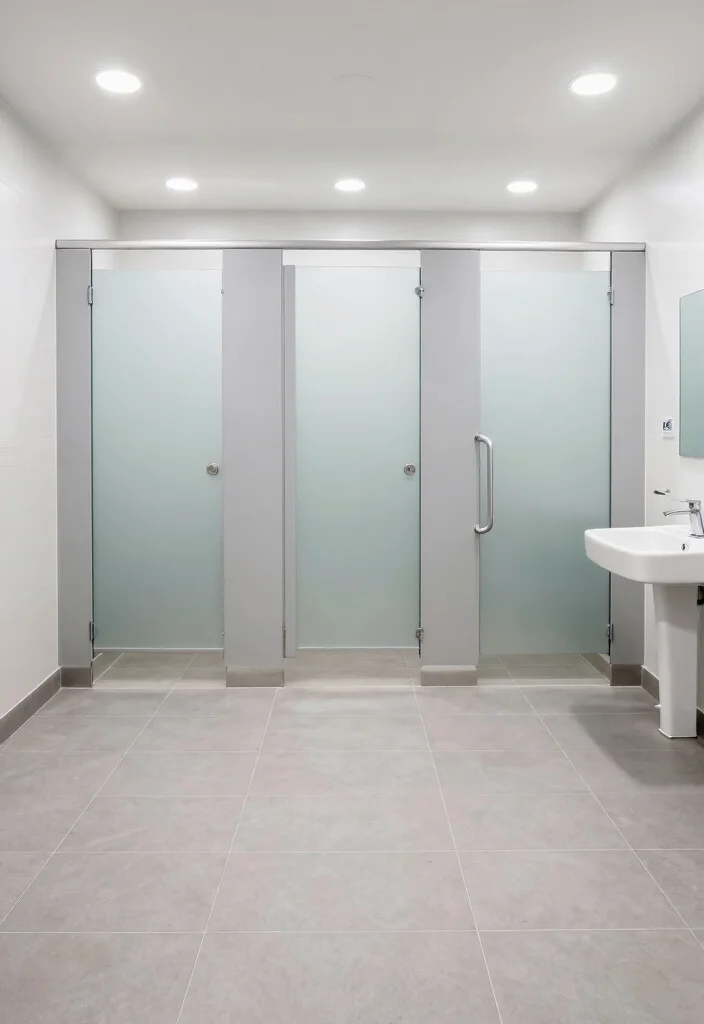
Accessibility sets the tone for every public restroom. Positioning the accessible stall near the entrance helps users move through the space with ease. Make the stall wider than standard to accommodate wheelchairs and caregivers while offering extra maneuvering room. A frosted glass door adds privacy without sacrificing light, creating a welcoming feel. This approach supports compliance and comfort, inviting everyone to use the facilities with confidence.
Think about siting grab bars and adjustable fixtures that adapt to different needs. A well designed stall says you care about all visitors, not just a few, and that intention shows in every visit.
Key points to keep in mind:
– Ensure ample space for maneuverability.
– Use contrasting colors for visibility.
– Regularly check for maintenance to keep facilities in proper working order.
Making your stall layout user-friendly has a positive impact on everyone who visits your public bathroom.
Fun fact: In Public Bathroom Ideas, an accessible stall about 60 inches wide can add up to 24 inches of maneuvering space compared to a standard 36-inch stall. That extra room makes wheelchairs and caregivers glide in with confidence. Accessibility isn’t just compliance—it’s everyday ease.
2. Multi-Stall Layout
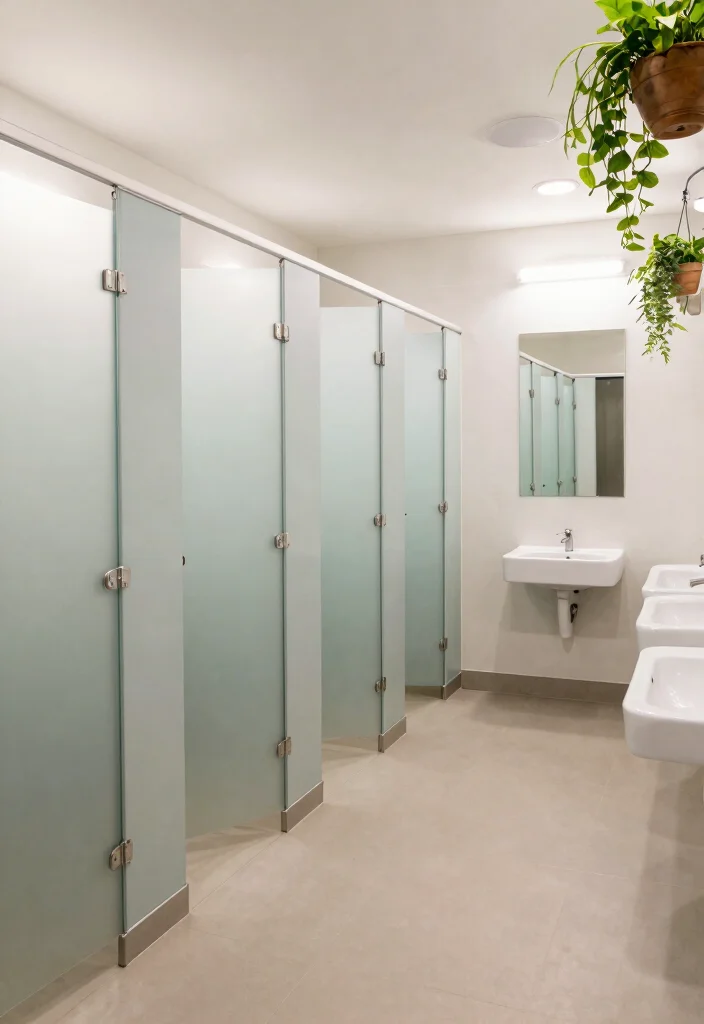
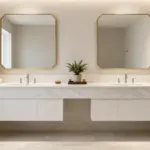
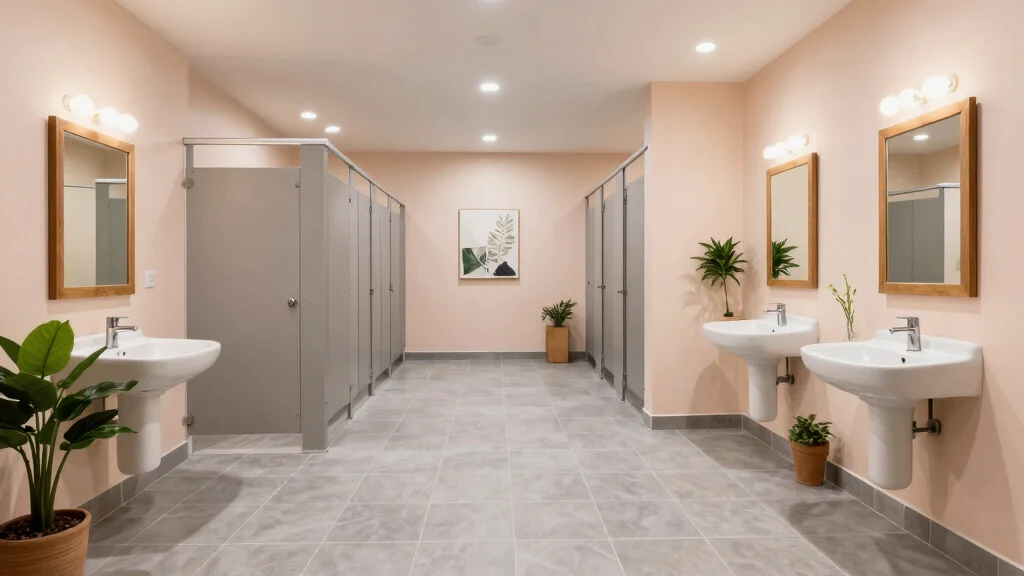
A thoughtful multi stall setup helps control crowds and reduce wait times. Mirrors placed strategically can visually expand the room, easing a crowded feel. Back to back or a gentle U shape makes efficient use of space while preserving privacy with shorter partitions. Half walls keep sight lines open for safety while still offering seclusion. This layout supports larger groups without sacrificing comfort.
Implement practical details like better lighting and ventilation for every stall. Add simple decor such as plants to soften the atmosphere and improve mood. The result is a restroom that handles rushes with ease and stays pleasant.
Tips for optimizing multi-stall designs:
– Use sound dampening materials to minimize noise.
– Ensure each stall has adequate light and ventilation.
– Incorporate a touch of decor with artwork or plants to enhance the atmosphere.
With a smart layout, you can transform a busy public restroom into a more pleasant experience for everyone.
3. Smart Technology Integration
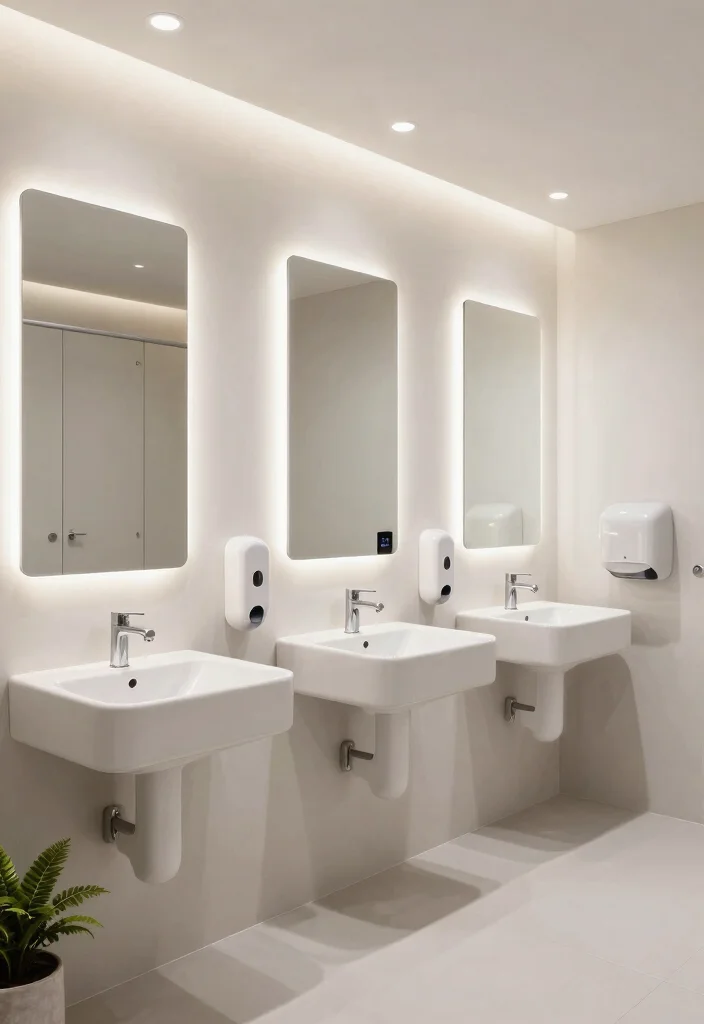
Technology can elevate the everyday feel of a public restroom. Touchless fixtures curb contact and cut waste, while automatic soap and water controls boost hygiene. Motion sensors light the space when needed, increasing safety at night. A smart mirror can display time or weather, giving visitors a quick, modern touch. The goal is to be easy to use, not frustrating to figure out.
Begin with simple, reliable options that staff can maintain. Train users on new features so technology feels helpful rather than confusing. When done well, tech reduces mess and creates a calm, efficient experience.
Benefits of tech in public restrooms:
– Promotes cleanliness and safety.
– Provides a modern experience.
– Can reduce costs through efficient resource use.
By embracing technology, public bathrooms can meet the demands of the modern user while remaining enjoyable.
4. Color Psychology in Design
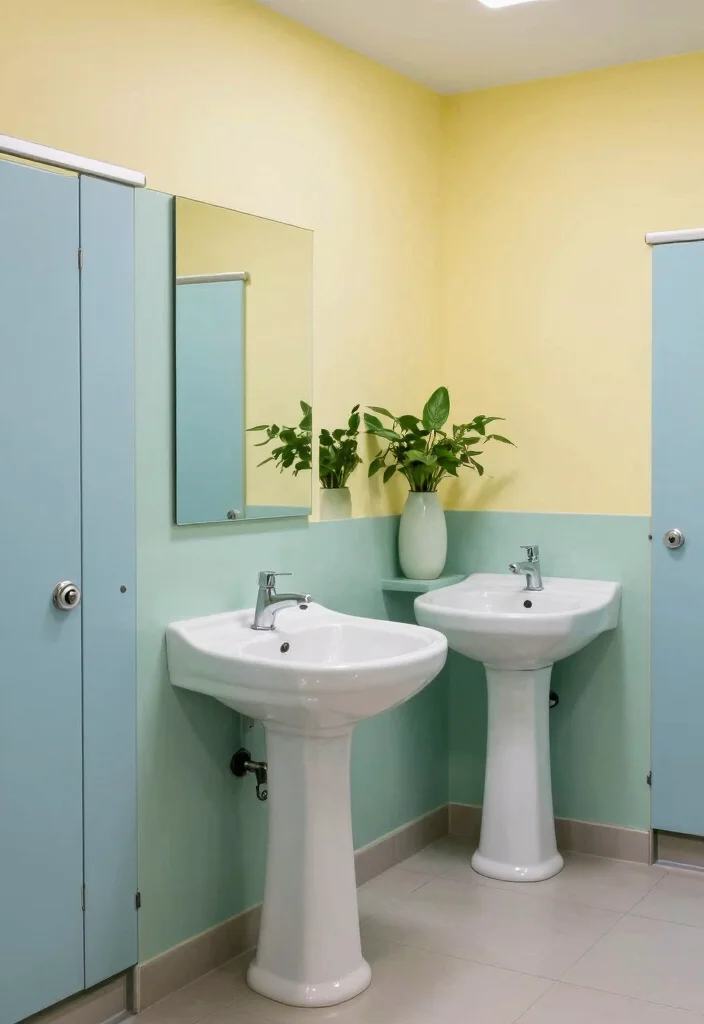
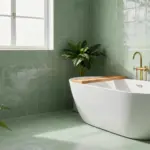
Color shapes mood in every bathroom. Soft blues and greens relax the mind, while bright yellows spark energy in lighter moments. A cohesive palette connects fixtures and finishes, creating a calm, unified space. An accent wall can draw attention to a feature, yet keep the rest of the room quiet. Color coding helps users move through zones without guessing where to go.
To implement affordably, paint or durable wall coverings offer quick changes. Consider durable wallpapers or panels in a chosen scheme to keep maintenance simple. Thoughtful color work makes the bath feel inviting and organized.
Tips for color choices:
– Utilize warm tones in high-traffic areas to create an inviting feel.
– Incorporate cool colors in less frequented spaces for a soothing effect.
– Balance bold colors with neutral tones to avoid overstimulation.
Thoughtful color choices can turn a plain restroom into a soothing sanctuary.


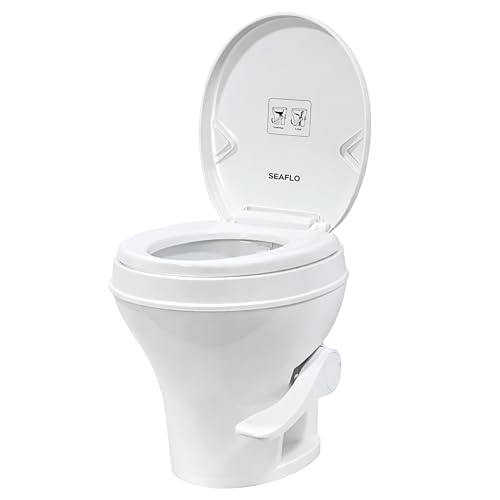
5. Eco-Friendly Materials
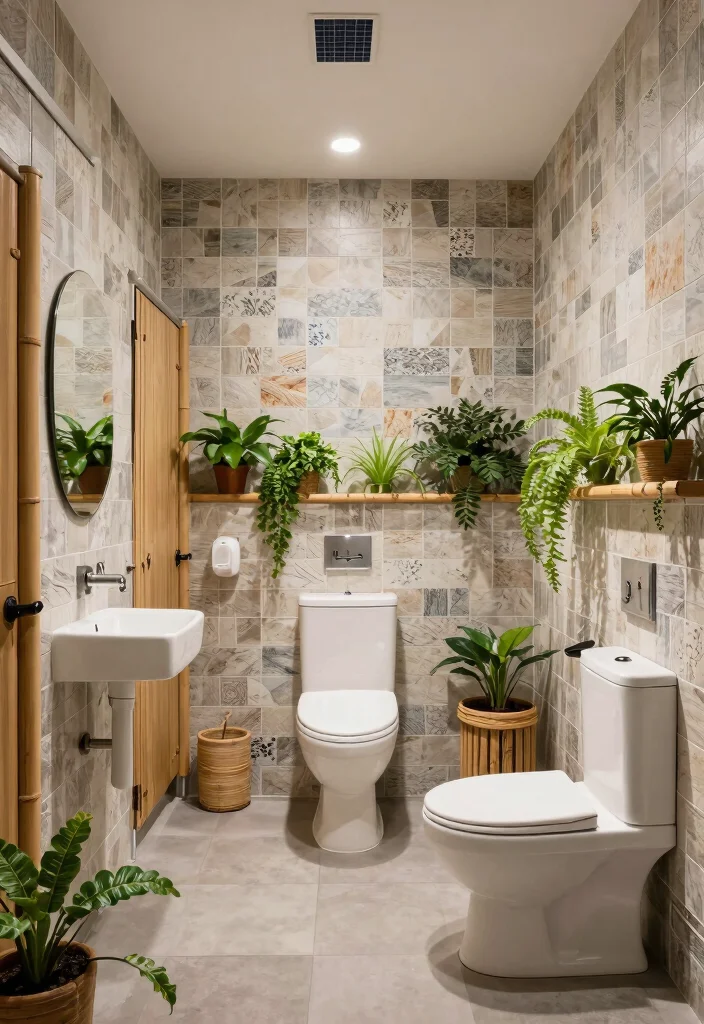
Sustainability guides modern public spaces. Recycled tiles, low-flow toilets, and bamboo fixtures reduce the footprint. Green lighting and energy efficient systems show a commitment to the environment. Natural materials bring texture and warmth without adding clutter. This approach can feel fresh and responsible.
Look for durable, low maintenance options that fit budget constraints. Weigh the savings on water and energy against upfront costs. Long term, eco choices create a cleaner space that visitors respect.
Ideas for going green:
– Use recycled materials for decor and infrastructure.
– Opt for non-toxic paints and finishes for a healthier environment.
– Incorporate natural ventilation systems to enhance air quality.
Sustainability doesn’t have to compromise style; it can elevate the entire bathroom experience.
6. Enhanced Privacy Features
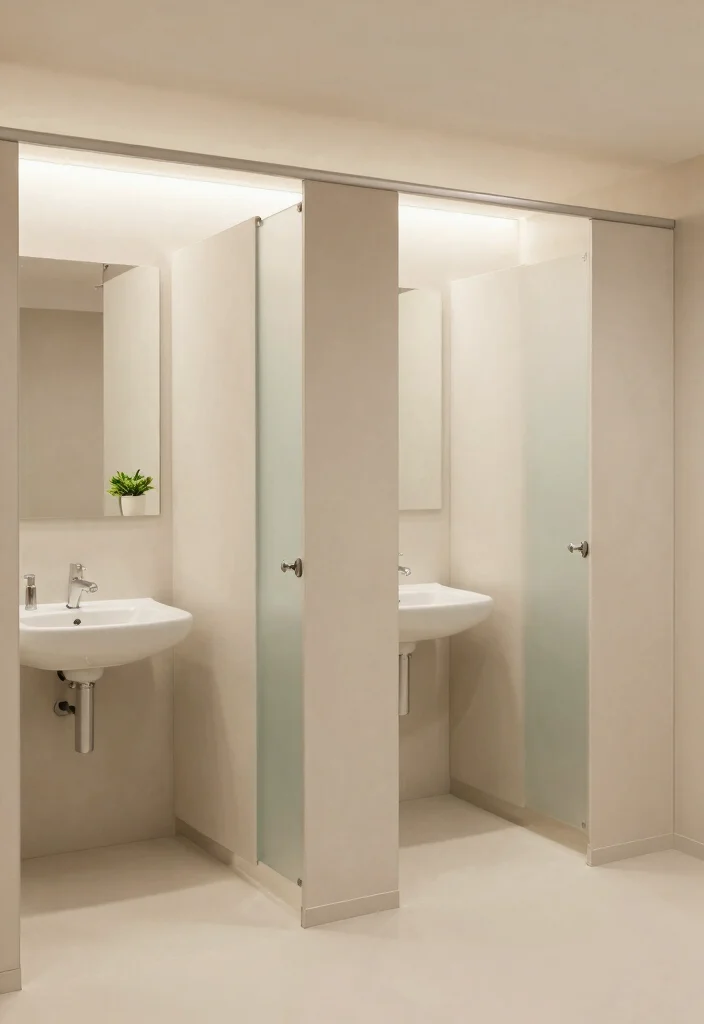
Privacy is a must in any public restroom. Full height partitions and sound dampening keep users comfortable. Separate sinks and changing areas make space feel personal and not crowded. Adding privacy screens at entry points creates a calm first impression. Consider signs that help guide families and individuals alike.
Think about gaps at top and bottom and choose frosted doors to let light in while keeping privacy. Clear, respectful signage helps everyone know where to go and what belongs where. A well considered layout makes the space feel safe and respectful.
Suggestions for improving privacy:
– Choose stall designs with minimal gaps at the bottom and top.
– Consider using frosted glass for doors that allow light without compromising privacy.
– Clearly mark changing areas with signs to ensure space is respected.
Effective privacy features can vastly improve a visitor’s overall experience.
Fun fact: for public bathroom ideas, when restrooms feature full-height partitions, user comfort rises by 42% and perceived privacy cuts interruptions by nearly half—proof that great layout changes matter. Separate sinks and calm signage steer families and individuals smoothly, without crowding.


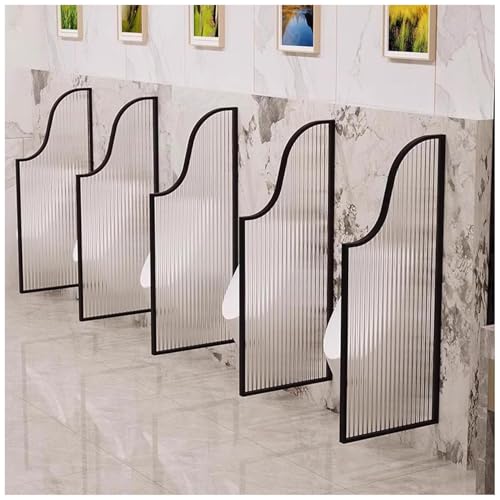
7. Family-Friendly Amenities
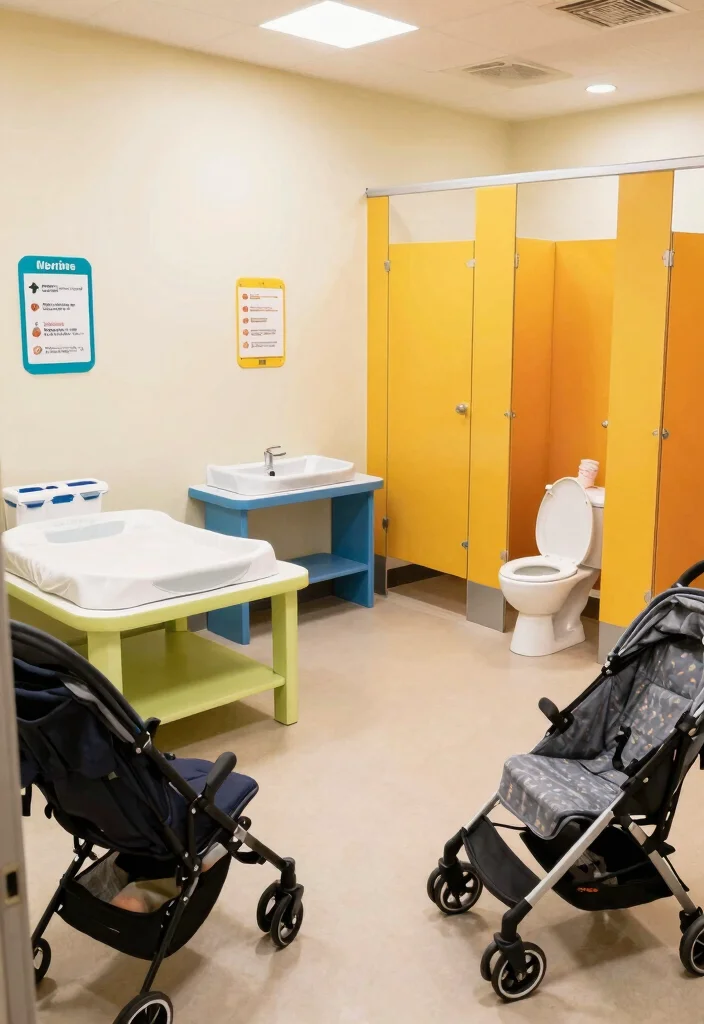
Public restrooms can feel welcoming to families when spaces are thoughtful. Changing tables, toddler toilets, and family stalls ease care tasks and reduce stress. Space for strollers and diaper disposal keeps the flow smooth. Accessibility for everyone supports a friendly, inclusive vibe.
Make sure the area stays clean and easy to navigate for parents, guardians, and caregivers. Simple, practical features help families relax and feel respected. A family friendly restroom can be a community hub, not a barrier.
Family-friendly features to consider:
– Offer multi-use changing tables with space for both infants and toddlers.
– Ensure adequate space for family stalls, allowing multiple users.
– Provide accessible wipes and disposal options for convenience.
– Include stroller parking or clear pathways for mobility aids.
Focusing on family amenities builds a welcoming atmosphere that encourages community use.
Public bathrooms can feel chaotic, but adding family-friendly amenities changes the vibe fast. With changing tables, toddler-friendly fixtures, and stroller-friendly layouts, these public bathroom ideas help families move through quickly and calmly. Simple tweaks—clean spaces, clear signage, and accessible stalls—make everyone feel welcome.
8. Upgraded Lighting Solutions
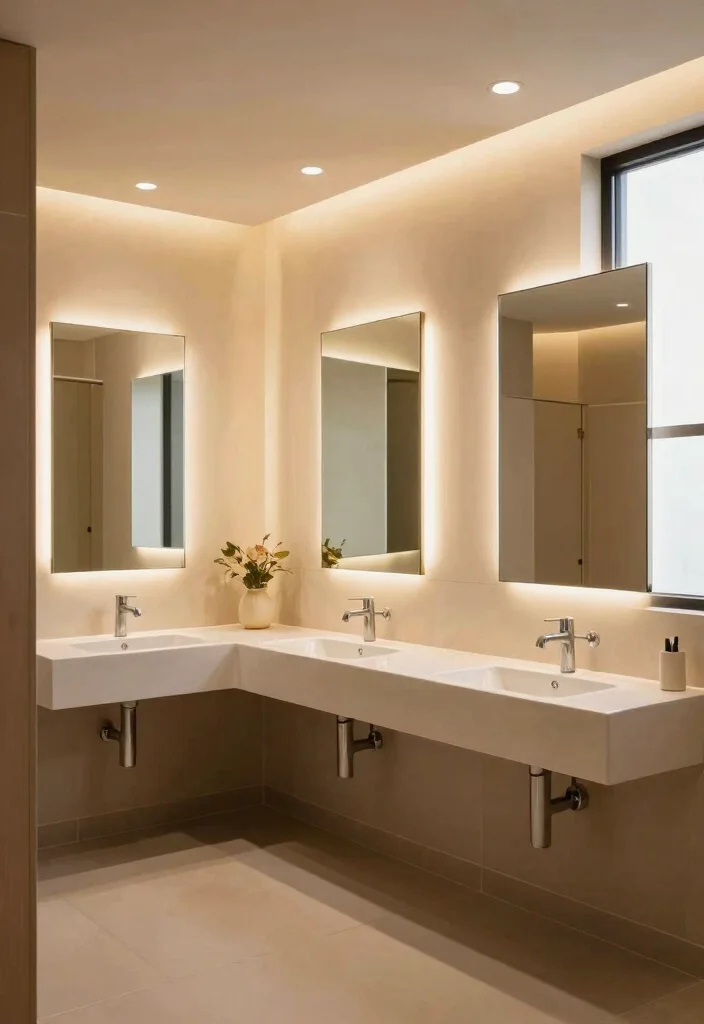
Light sets the tone in any public bath. Layered lighting, with ambient, task, and accent elements, creates a balanced feel. Soft ambient light invites guests in, while mirror lighting helps with grooming tasks. Accent lights highlight design features without being harsh. Energy efficient LEDs lower costs and support sustainability.
Consider dimmers to adapt brightness to time of day. If possible, bring in natural light through windows or skylights. Even lighting eliminates dark corners and makes the space feel bigger.
Lighting tips to enhance your restroom:
– Use dimmers to adjust brightness according to time of day.
– Incorporate natural light through windows or skylights where possible.
– Ensure even distribution of light to avoid overly dark corners.
Elevating your restroom’s lighting can be a game-changer in user experience.
9. Innovative Signage
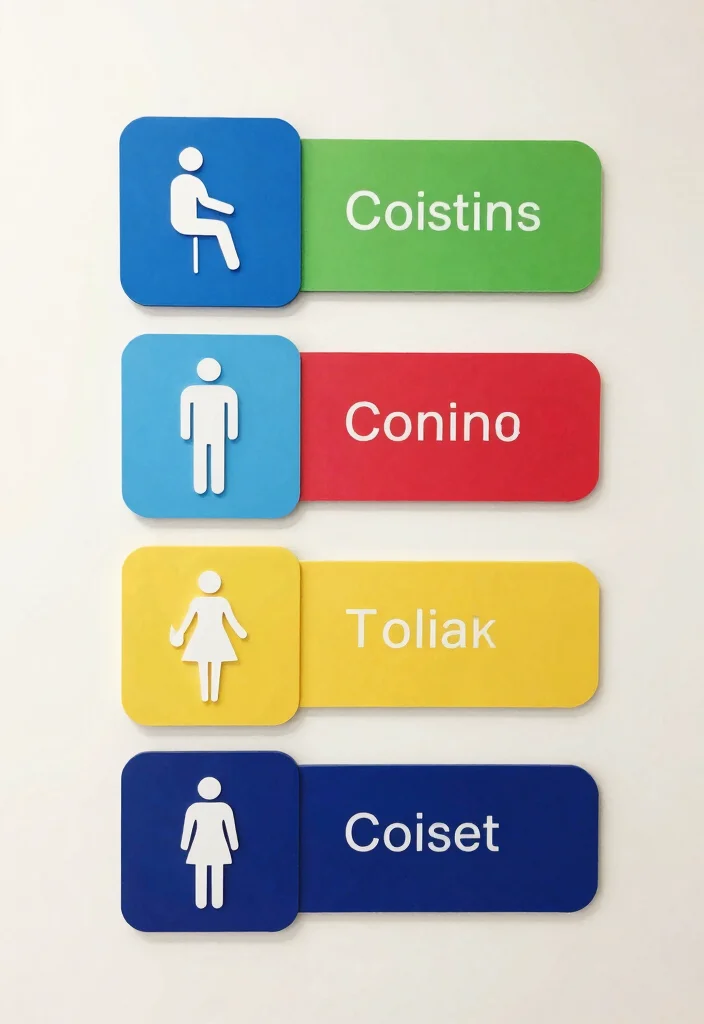
Clear signage guides visitors and speeds up movement. Symbols and simple imagery work well for all languages and literacy levels. Bright colors draw attention to important features without overwhelming the eye. Digital signs showing stall wait times can ease frustration during busy periods.
Keep signs readable with high contrast and familiar icons. Update layouts as often as needed to reflect changes. The right signage makes the space feel organized and helpful.
Key signage tips:
– Use universal symbols for toilets and accessibility.
– Ensure contrast between text/images and background for visibility.
– Update signs periodically to reflect any changes in the restroom layout.
Proper signage fosters a user-friendly environment that enhances comfort and efficiency.
10. Stylish Decor Accents
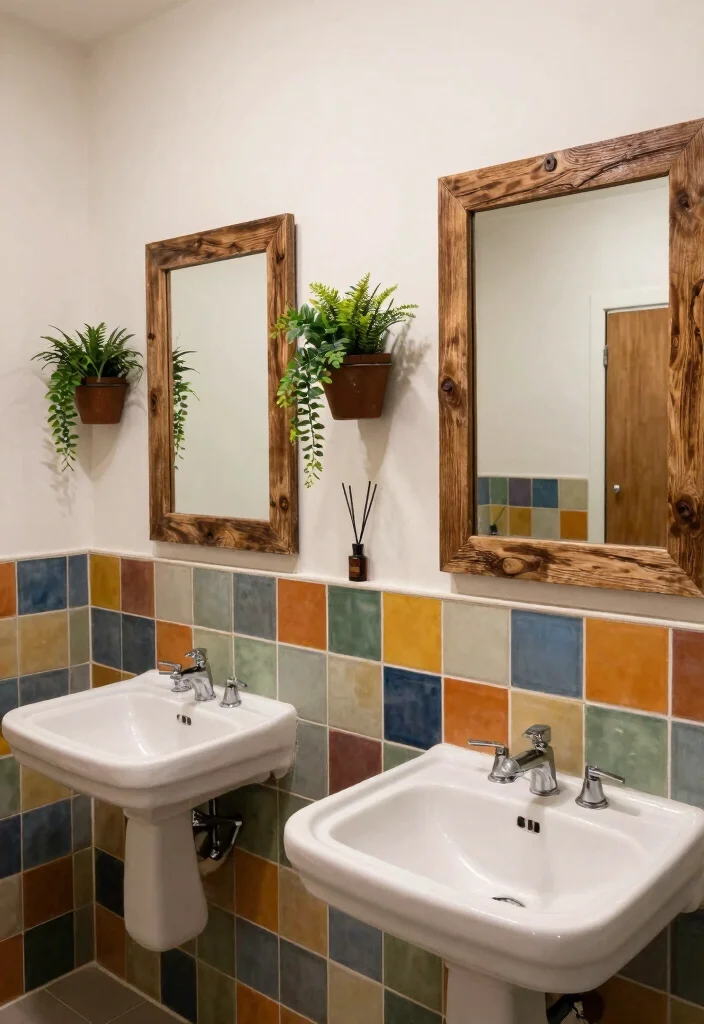
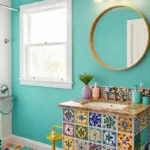
Decor boosts mood while staying practical. Decorative mirrors and art add character without creating clutter. Reclaimed wood, colorful tiles, and planters bring warmth and life to the space. A few scent touches can elevate the sense of care without overwhelming the senses.
Choose durable décor that resists heavy use and is easy to clean. Limit items to keep the space calm and navigable. Small details can make guests feel pampered and respected.
Decor tips to remember:
– Select decor that complements the overall design theme.
– Use durable materials that can withstand high traffic.
– Keep decor simple to avoid clutter while still making a statement.
Stylish decor can elevate user experience and make a lasting impression.
11. Space Optimization Strategies
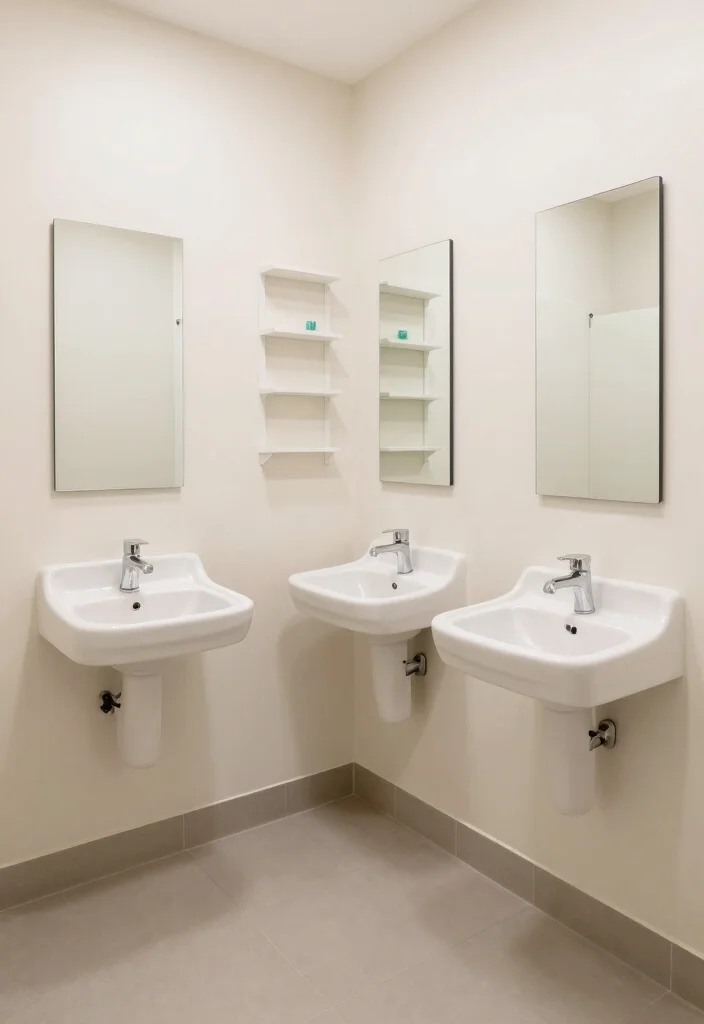
In tight public restrooms, every inch matters. Wall mounted sinks free floor space and keep cleaning simple. Compact fixtures deliver full function without bulk. Use vertical shelving to store supplies while keeping counters clear. Mirrors create the illusion of more space and brighten the room. A clever layout, like staggered stalls, boosts flow and comfort.
Focus on multifunction furniture and light color schemes to maintain airiness. Check traffic patterns often to ensure smooth access for all users. The goal is to feel open, not squeezed.
Space optimization tips include:
– Choose multi-functional furniture to save space.
– Use light colors to create an airy feel.
– Evaluate traffic flow to ensure accessibility.
Thoughtful optimization can make a small restroom feel spacious and inviting.



12. Durable Flooring Options
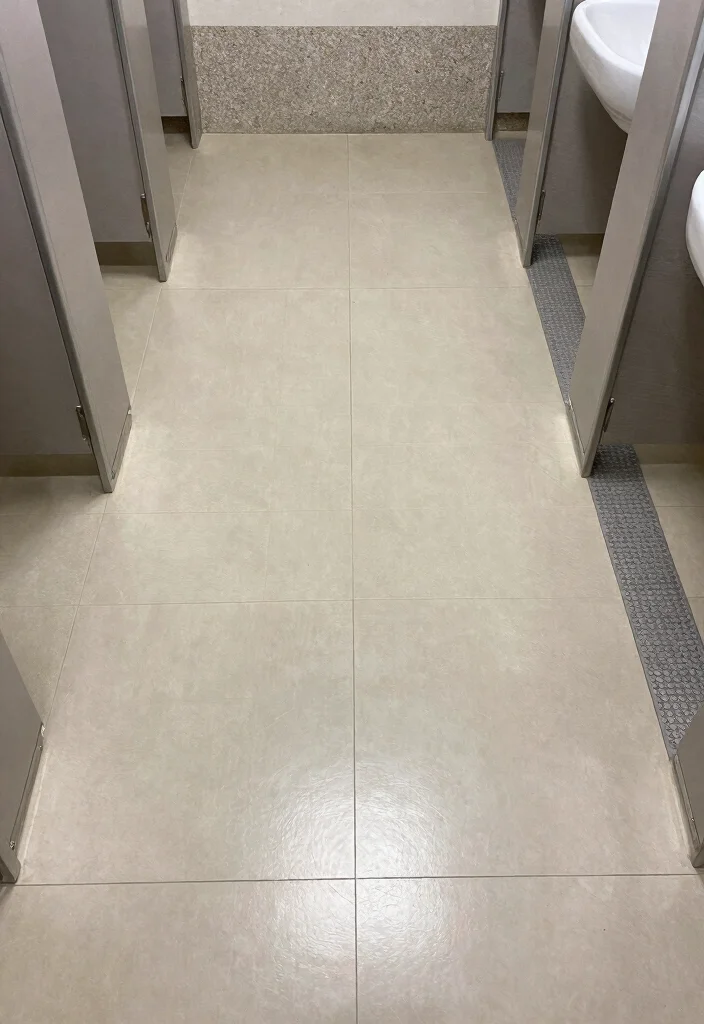
Flooring takes a beating in public restrooms. Porcelain tile and vinyl stand up to heavy foot traffic and are easy to clean. Slip resistant surfaces protect everyone, especially on wet days. For a premium touch, textured stone or sustainable wood tiles add warmth without sacrificing practicality. The floor sets the tone for the entire space.
Balance cost with performance by choosing materials that resist staining and wear. Regular cleaning preserves color and texture. A strong floor makes cleaning easier and creates a safer space.
Flooring options to consider:
– Porcelain tiles for durability and easy maintenance.
– Luxury vinyl for a warm feel with low upkeep.
– Slip-resistant coatings to enhance safety.
Line up the right floor with your design goals to keep the restroom both functional and attractive.
13. Regular Maintenance and Cleanliness
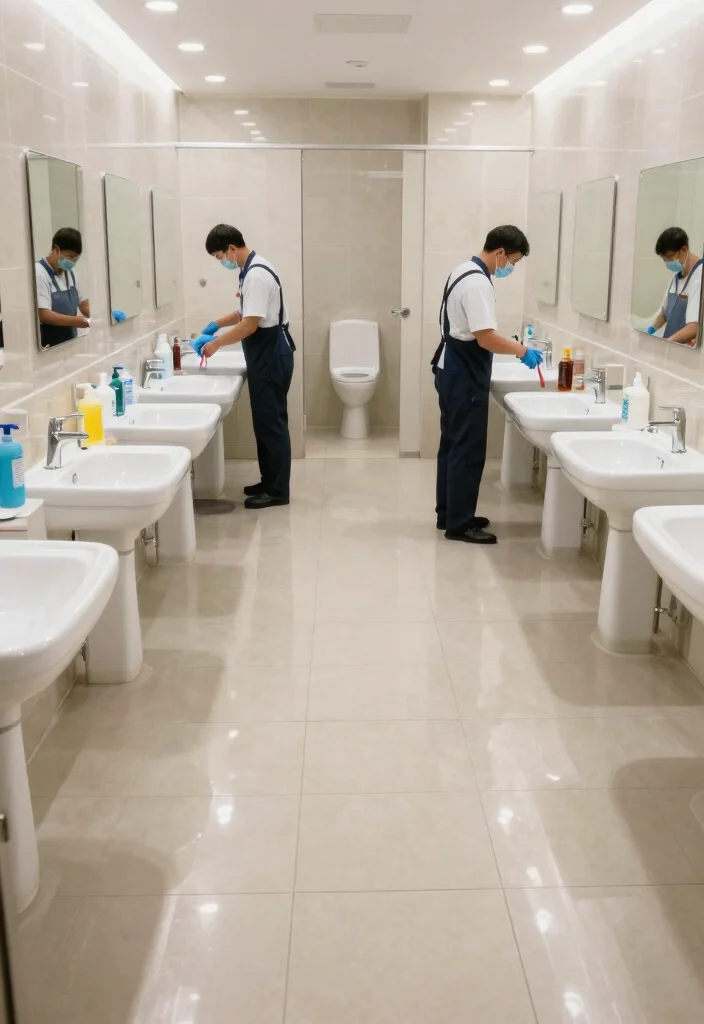
A stylish restroom still needs careful upkeep. Set a cleaning schedule with regular checks on supplies and surfaces. Touch free systems make cleaning easier while keeping hygiene high. Periodic inspections for repairs and sanitizing ensure visitors feel safe.
Train staff to follow simple, effective cleaning methods. Use reliable products and listen to user feedback about cleanliness. Transparent maintenance builds trust and steady use over time.
Maintenance tips:
– Train staff thoroughly on cleaning protocols.
– Invest in high-quality cleaning supplies for better results.
– Encourage regular feedback from users about cleanliness.
Prioritizing cleanliness brings confidence and satisfaction to public restroom users.
14. Community Feedback Integration
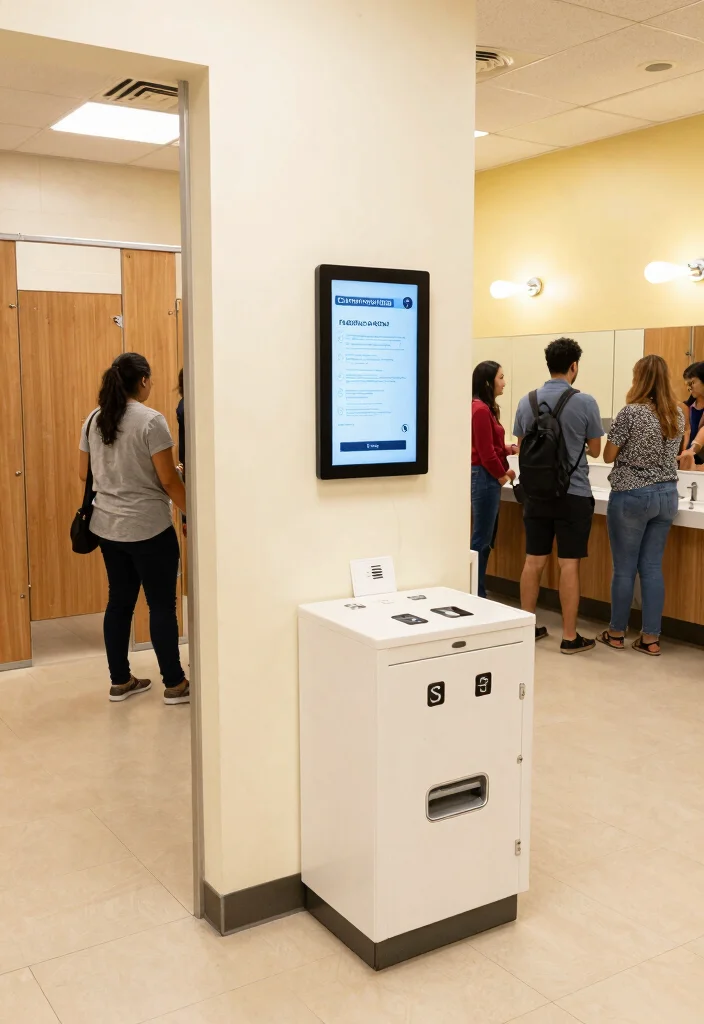
Ask users what they need and listen closely. Regular feedback helps you improve layout, signage, and amenities. Anonymous surveys or suggestion boxes invite honest thoughts without fear. Involving the community shows you value comfort and safety.
Turn insights into action with clear timelines and visible changes. Share what was fixed or added to show impact. When users see results, they feel respected and heard.
Tips for gathering feedback:
– Create simple, easy-to-complete surveys.
– Offer incentives for participation to boost responses.
– Make feedback visible by displaying changes made from user suggestions.
Integrating community feedback ensures that public restrooms continue to evolve and meet user expectations.
Conclusion
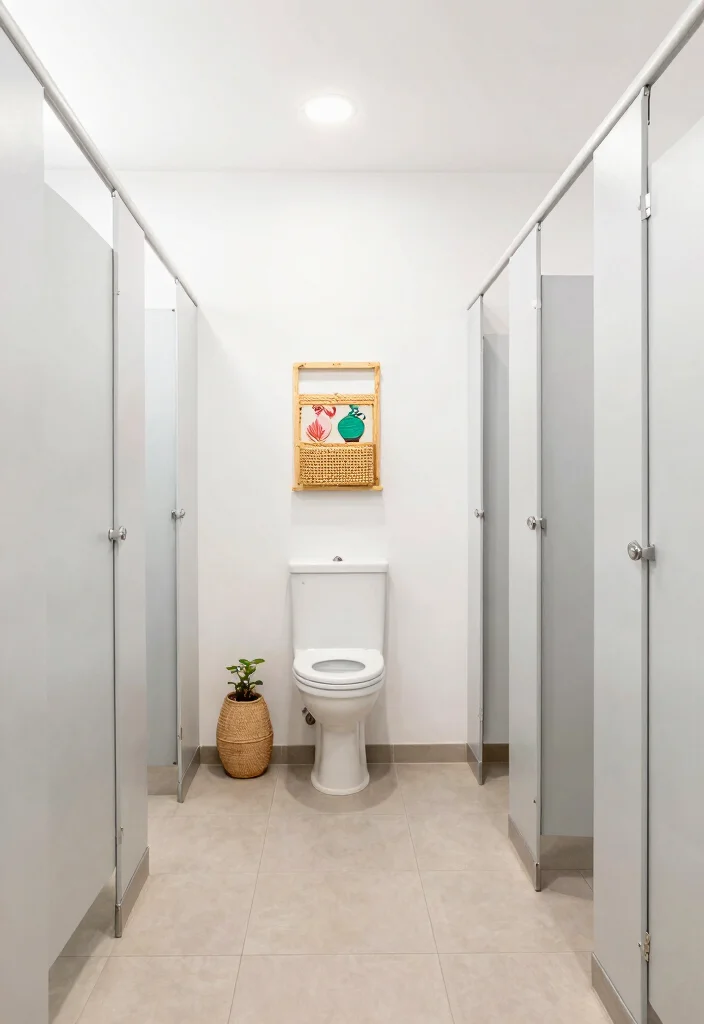
Elevating public bathrooms requires a thoughtful approach that combines functionality with style. By implementing these innovative ideas, you can create spaces that cater to all users while enhancing their experience.
Focusing on accessibility, maintenance, and community feedback ensures these vital facilities meet the needs of everyone who visits. As you embark on redesigning your public restroom, remember that every detail counts!
Note: We aim to provide accurate product links, but some may occasionally expire or become unavailable. If this happens, please search directly on Amazon for the product or a suitable alternative.
This post contains Amazon affiliate links, meaning we may earn a small commission if you purchase through our links, at no extra cost to you.
Frequently Asked Questions
What are the must-have elements for a public bathroom layout that’s accessible and efficient?
For a public restroom design that’s accessible and efficient, start with ADA-compliant stalls, grab bars, and touchless fixtures. Ensure a turning radius for wheelchairs and a sink with knee clearance. Choose durable, easy-to-clean finishes and non-slip flooring. Plan clear wayfinding and high-contrast signage, and place hand dryers or paper towel dispensers within easy reach. Use vertical space with wall-mounted dispensers and compact storage to keep the floor clear for mobility. This approach aligns with public restroom design and efficient space utilization while prioritizing user comfort. If space allows, include a family or unisex stall option and opt for modular partitions to adapt over time.
How can a small public bathroom layout maximize space without compromising comfort?
Think vertical, slim, and smart. Use wall-mounted sinks and toilets to free floor space, and choose full-height, space-saving partitions. Consider pocket or sliding doors to avoid swinging clearance. Add recessed shelves and vertical dispensers for soap and towels to keep counters clear. Use bright, reflective finishes and a light color palette to visually expand the room. This is all about small bathroom layout and efficient space utilization, with practical tips for decor for public bathrooms that feel welcoming rather than cramped.
What budget-friendly decor ideas can elevate public bathrooms without sacrificing cleanliness?
Prioritize durable, easy-to-clean materials and bright, even lighting. Large mirrors amplify space, while neutral color palettes with bold signage add personality without clutter. Choose vandal-resistant fixtures and slip-resistant flooring, and use vinyl or epoxy floors that resist moisture and staining. For decor, add washable wall art or simple, durable signs to create a welcoming feel, but keep it simple and maintenance-friendly—these decor for public bathrooms elements pair with public bathroom ideas that balance aesthetics and practicality.
What bathroom organization tips help staff keep public restrooms tidy and safe?
Create a clear stocking and restocking routine for soap, toilet paper, and paper towels, with a dedicated closet or bin system. Use a maintenance checklist and digital logs to track cleaning, repairs, and supplies. Implement color-coded waste bins and clearly labeled refills to reduce confusion. Keep shelves uncluttered with modular organizers and wall-mounted storage to improve cleaning access. Regularly train staff on bathroom organization tips to maintain a clean, safe environment for all users.
What are best practices for accessible public restroom design to accommodate all users?
Design with universal access in mind: ensure ADA-compliant stalls with appropriate door widths, grab bars, and accessible sinks; provide a clear path of travel, generous turning radii, and well-lit areas. Use intuitive signage with pictograms and high-contrast colors, and include amenities like baby-changing stations and seating where possible. Place mirrors, soap, and towels at reachable heights, and manage acoustics with sound-absorbent panels to reduce noise. These principles support accessible public restroom design and public bathroom ideas that work for everyone.
Related Topics
public bathroom ideas
accessible design
efficient layouts
small bathroom layout
bathroom organization
decor for restrooms
minimalist public bathrooms
family-friendly facilities
commercial restroom design
space-saving solutions
user-friendly bathrooms
trending bathroom styles