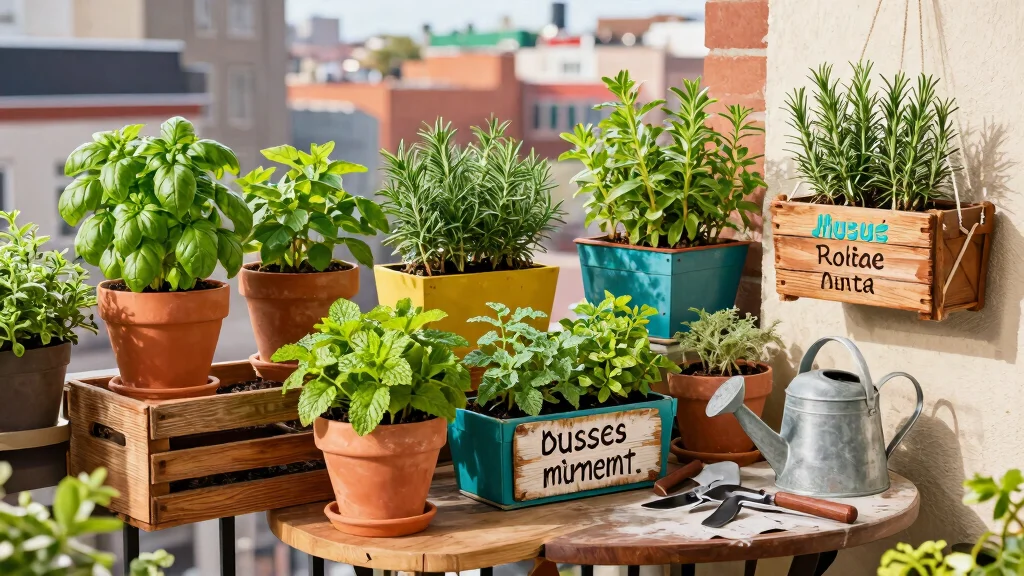
Creating an herb container garden is a fantastic way to bring fresh flavors into your cooking, especially if you’re short on space or budget. With urban living on the rise, many of us find ourselves in apartments or homes with little outdoor area. But don’t let that stop you! Embracing small space gardening can transform even the tiniest balcony or windowsill into a vibrant herb oasis. If you’ve been dreaming of growing your own herbs but thought it impossible, this post is for you.
You might be a beginner gardener, an urban dweller, or just someone who appreciates the beauty and utility of fresh herbs. Whatever your background, you’ll find inspiration here. I’ve gathered 14 creative herb container garden ideas that are not only budget-friendly but also easy to implement. Whether you prefer vertical planters or repurposed containers, there’s something for everyone. Get ready to unleash your inner gardener and bring life to your small space with these simple yet effective tips!
In this guide, you’ll discover unique designs for herb gardens that fit tight budgets and limited spaces. From vertical gardens to DIY kits, each idea is designed to help you cultivate delightful herbs with ease and style. So, grab your pots, soil, and seeds, and let’s dig into these amazing ideas that will add a touch of green to your life.
Key Takeaways
– Explore Vertical Garden Planters: Utilize wall space with vertical planters, perfect for maximizing small areas while adding greenery.
– Get Creative with Repurposed Containers: Turn everyday items like jars, old pots, or wooden crates into charming herb containers for a budget-friendly option.
– Try Hanging Herb Gardens: Use hooks or wall-mounted systems to hang your herb containers, making them both accessible and visually appealing.
– Consider Miniature Garden Boxes: Small, compact boxes can fit on any windowsill, allowing for easy herb gardening even in tight spaces.
– Collaborate on Community Herb Gardens: Join forces with neighbors to create a shared herb garden, benefiting everyone with fresh produce while enhancing community spirit.
1. Vertical Garden Planters
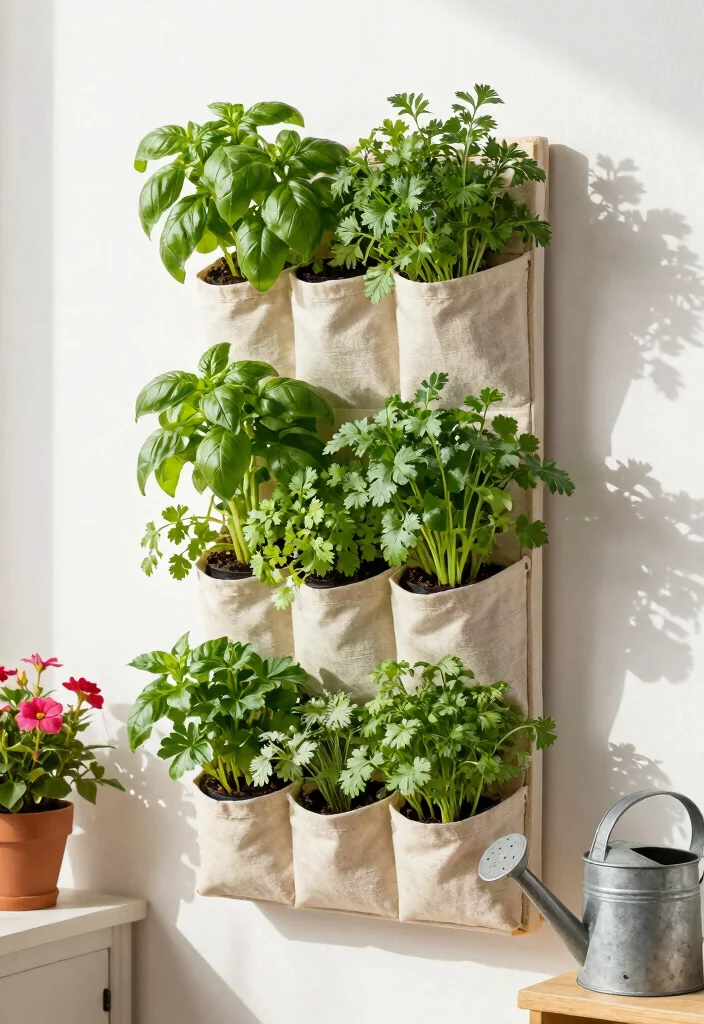
If you’re tight on space but love gardening, vertical garden planters are your best friend. These clever planters can be mounted on walls or fences, letting your herbs grow upwards rather than outwards. Opt for pocket planters made from breathable fabric or get crafty with wooden pallets for a rustic touch.
Start by selecting herbs that thrive in sunny spots, such as fragrant thyme or zesty oregano. Don’t forget to include a drip tray at the bottom to catch excess water and keep things tidy. For a stunning visual effect, arrange your plants by height, creating an eye-catching display.
Key steps to implement vertical planters:
– Select sun-loving herbs for vibrant growth
– Use a drip tray to manage water overflow
– Arrange herbs by height for a balanced look
With a splash of creativity, these vertical planters not only save space but also beautify your garden area, turning it into a charming green oasis.

【36 Pocket Vertical Garden】Features 36 individual planting pockets, allowing you to grow herbs, flowers, succulents, strawberries, vegetables, and other plants while maximizing vertical space.
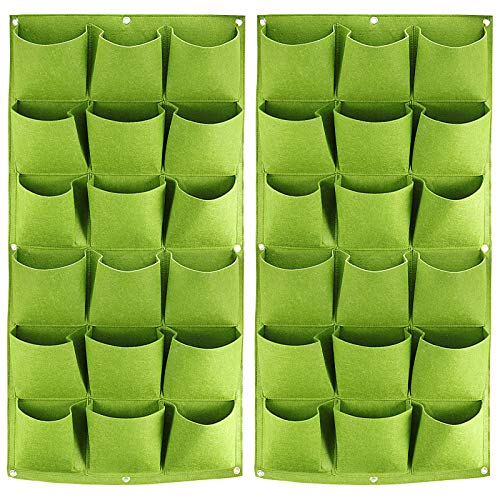
PREMIUM MATERIAL & WATER-PRESERVING REAR DESIGN - The hanging garden growth bag is made of high-quality and environmentally friendly felt. Practically, this growing bag retain a moderate water level for perfect growing conditions for your plants, such as herbs, strawberries, flowers, vegetables and so on. The rear water-preserving layer of the growing bag effectively protects the wall without stains, and the leakproof design of the bottom does not make your floor dirty.

Innovative Space-saving Design: maximize your gardening potential with our stackable wall planter system; Each piece measures 9.45" x 5.71" x 5.51" and features two pockets, The overall dimensions are 47.5"x33"x5.5" offering ample growth space for a variety of plants; Nice for Fence Balcony Wall Decor, these vertical wall planters change limited spaces into gardens effortlessly
2. Repurposed Containers
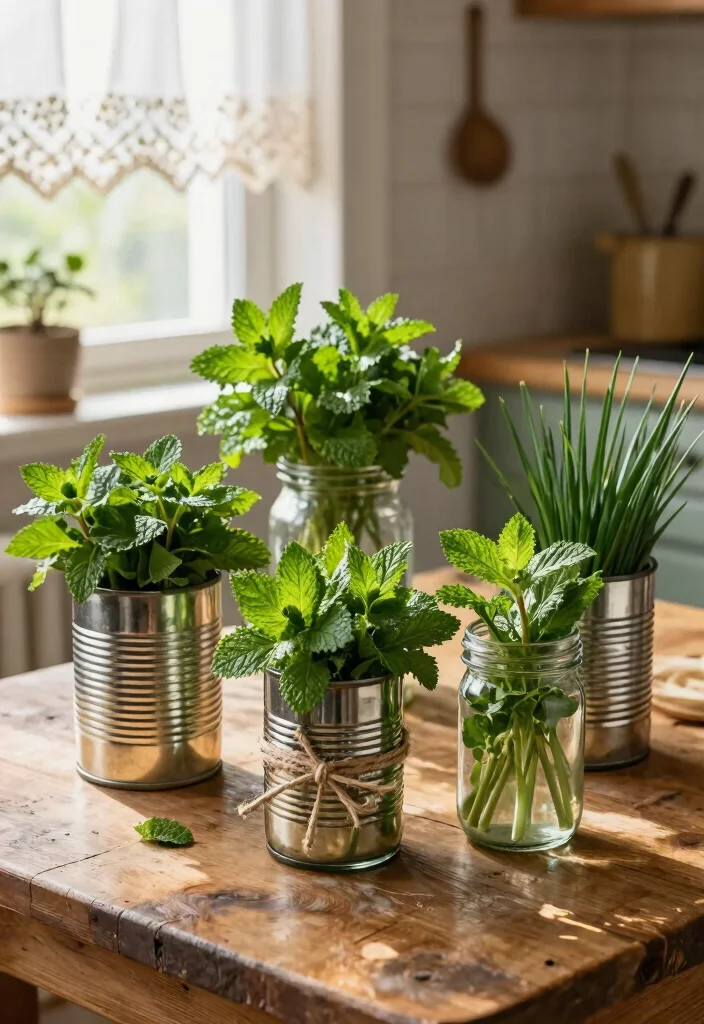
Looking to save money while gardening? Repurposing items you already have is a smart and fun way to get started. Old jars, tin cans, and wooden crates can all turn into quirky containers for your herbs.
Make sure any container you choose has drainage holes to keep your herbs healthy. Mixing different shapes and sizes adds an eclectic vibe to your garden. Feel free to paint or decorate your containers to match your personal style and create a unique look.
Tips for successful repurposing:
– Verify drainage holes for healthy root growth
– Use various shapes for an interesting display
– Personalize containers with paint and decorations
By using repurposed items, you not only cut costs but also add a personal touch to your garden, making it truly one-of-a-kind.

Space-Saving Greenwall Design: Maximize your space and create a stunning green wall with this self-watering wall planter. Perfect for freeing up floor and wall space, this planter keeps your plants within easy reach and adds a vibrant touch to your home or office. Perfect for creating a vertical green wall at home or the office.

Durable Material Comes with 12 Hooks and 6 Screws: Self watering wall planter made of high quality durable PP resin material, safe and non-toxic. Lazy flower Pots SIZE (Inner Diameter*Outer Diameter*Height): 3.15"x4.33"x3.94"; 6 x Steel S hooks & 6 x non-destructive self-sticky hooks & 6 x screws & 30 feet self watering wick for DIY self-watering system included.

DISPLAY PLANTS IN YOUR WINDOW: By hanging planters on a metal rod, Triflora makes it easy to water and display plants in your window, without taking up space on the window will or counter
3. Hanging Herb Gardens
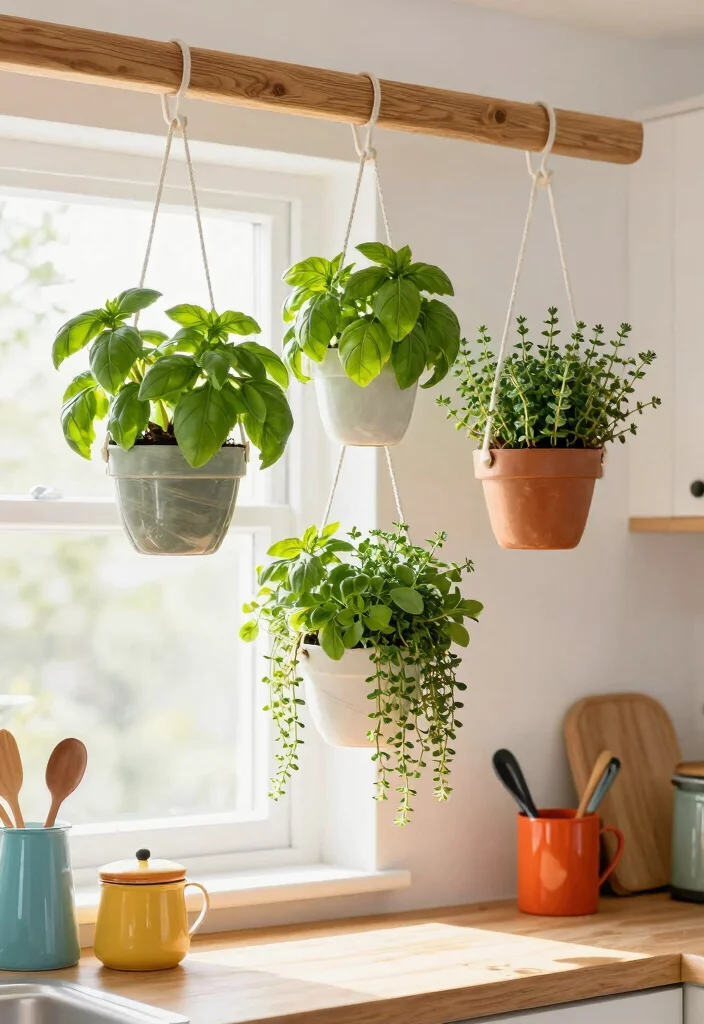
Want to save floor space while adding style? Hanging herb gardens are the ideal solution! By using hooks or macramé hangers, you can elevate pots filled with herbs from ceilings or walls, creating a stunning display that draws the eye upward.
These gardens can be placed in kitchens, balconies, or patios, making them incredibly versatile. Perfect for trailing herbs like thyme and creeping rosemary, they can also be moved around to capture the best sunlight throughout the seasons.
Benefits of hanging gardens:
– Hang them anywhere for easy access
– Perfect for trailing herbs to save space
– Move them to catch sunlight as needed
Hanging gardens not only save valuable floor space but also transform your herbs into a living piece of art, enhancing the beauty of any room.

Comprehensive 12 Piece Set: this hydroponic herb planting kit provides a comprehensive 12-piece set, includes 12 mason jars, 12 planting baskets, 12 pre-seeded growing plugs, and 12 water absorbent cores to meet all your planting needs

🌿【Complete 9-Herb Starter Kit】- Everything you need to grow a thriving indoor garden! Includes premium seeds (Basil, Rosemary, Thyme, etc.), 9 biodegradable pots, nutrient-rich soil discs, pruning shears, and markers—ready to plant instantly.

Complete All-In-One Kit - No need to buy separate supplies. This herb starter set comes with 4 plastic planter pots, 4 soil discs, 4 plant markers 4 heirloom herb seed packets, and essential planting tools—everything you need to start your indoor herb garden immediately.
4. Miniature Garden Boxes
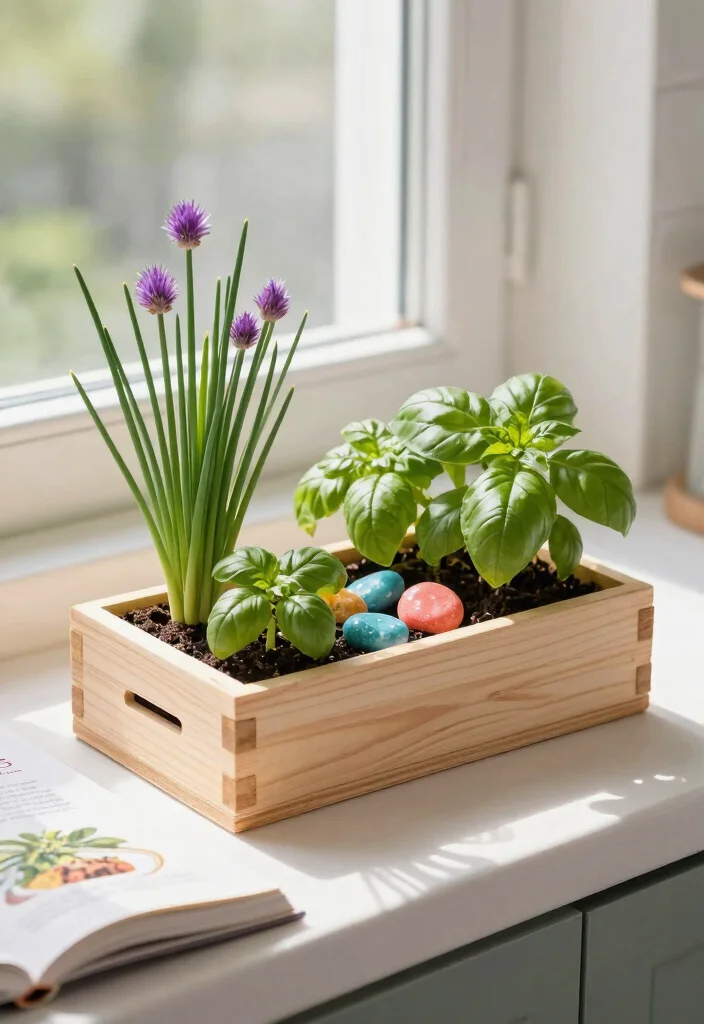
Miniature garden boxes are charming and functional, perfect for those with limited space. These small boxes, made of wood or plastic, fit nicely on windowsills or small tables for urban gardeners.
Focus on compact herb varieties like chives or dwarf basil to maximize your space. Layer soil and gravel for excellent drainage, and consider adding decorative stones or pebbles to elevate the aesthetic.
Steps to create your miniature garden:
– Choose small herb varieties for limited spaces
– Layer gravel and soil for drainage
– Decorate with pebbles for added style
These boxes can be grouped together for a lush effect or gifted to friends who appreciate fresh herbs in their cooking.

Drain Holes Design -- Window planter box design with many small drain holes,prevent excessive watering, maintain soil drainage and ventilation.

Indoor Herb Garden Planter with Tray - Add greenery to your home with this vintage metal windowsill planter. Herb planters for indoor plants with a farmhouse touch. Place the indoor herb planter on your kitchen counter or display the small herb planter as an apartment window planter.
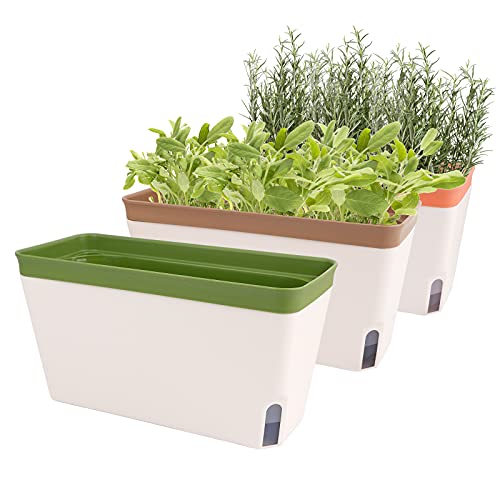
SELF-WATERING PRINCIPLE: Through two absorbent cotton ropes, the self watering pots provide water to the soil and keep the soil moist through the principle of osmosis, without having to water the plants regularly. Even if you leave home for a few days, it can help you take care of the plants and avoid plants die from water shortage.
5. Stackable Plant Towers
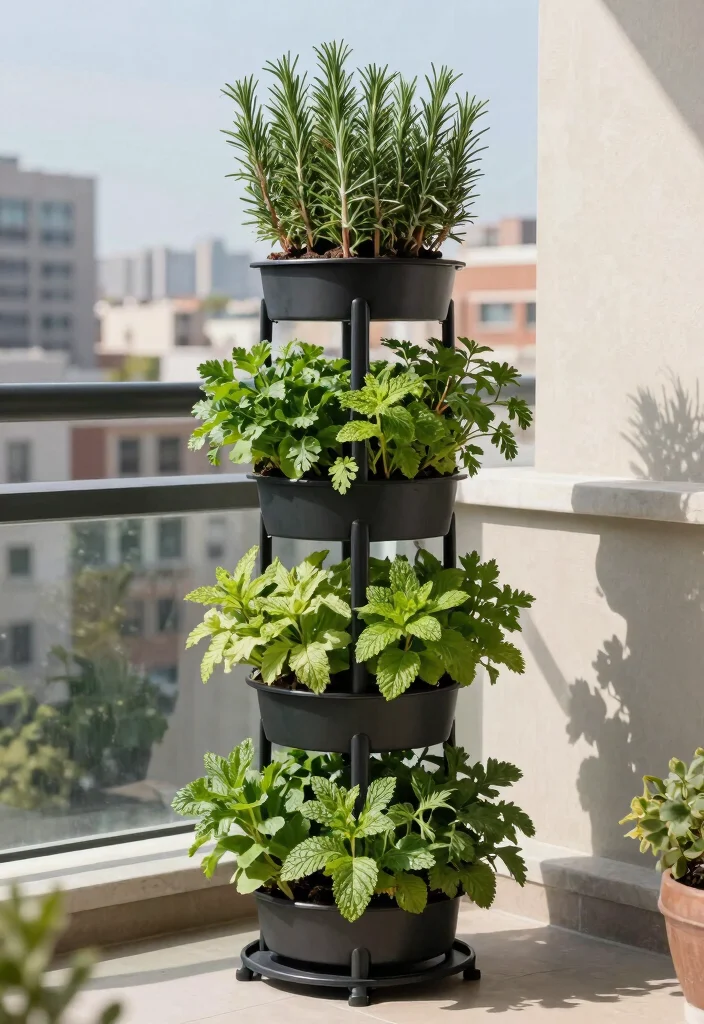
If you have minimal space, stackable plant towers are a fantastic option. These clever systems allow you to stack multiple pots vertically, creating a mini herb garden that reaches for the sky.
They can accommodate various herbs, maximizing your growing area without taking up much floor space. Plus, they’re easy to water and maintain, thanks to their thoughtful design that ensures proper drainage.
Advantages of stackable towers:
– Hold multiple herbs in a compact space
– Ideal for small patios or balconies
– Easy to maintain with good drainage
This modern approach is perfect for urban gardeners wanting greenery without compromising on space.

MADE IN THE USA – SUPPORTS 3 SMALL BUSINESSES Proudly manufactured in the United States. Every Smart Spring planter purchased directly supports three small U.S. businesses, helping keep jobs and production local.

Quality Material: Enhance your plant display with our plant saucer tray set, 5 pcs, made of durable PP material for long-lasting use without breakage or deformation

【3 Tier Raised Garden Bed】The vertical garden planter adopts a tiered design, so there is enough space to plant and divide vegetables, herbs, flowers, etc. Save a lot of space for you and keep your garden well organized.
6. Creative Window Boxes
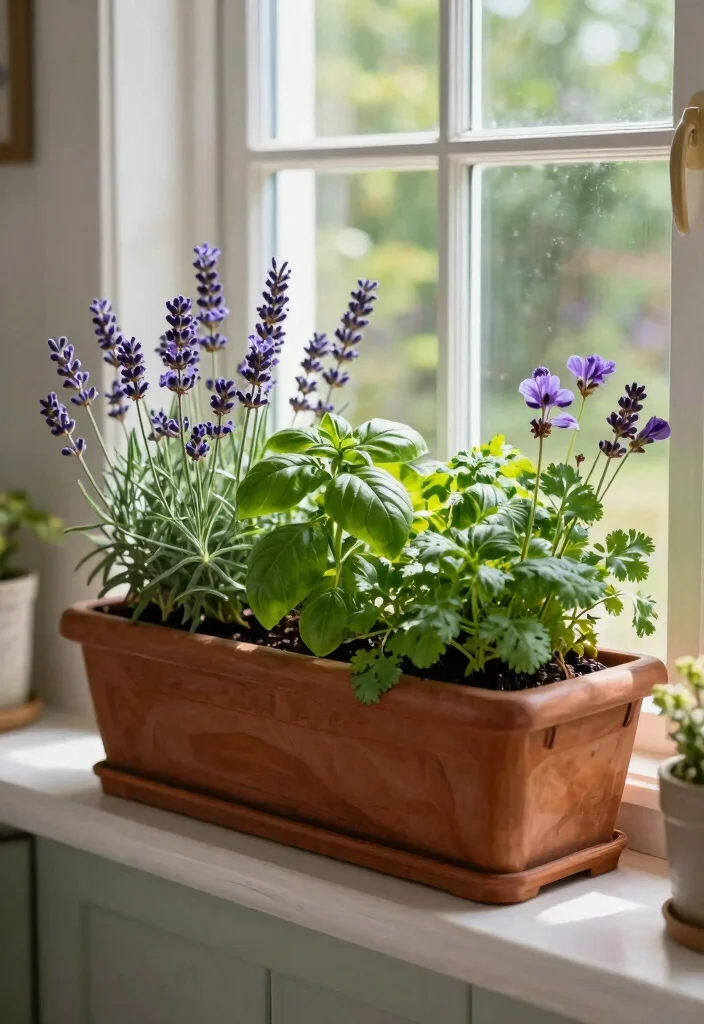
Enhance your home’s exterior with window boxes, a classic way to grow herbs while making a statement. These boxes can be easily attached to windowsills, bringing fresh herbs closer to your kitchen.
Use herbs that thrive in sunlight, like sage and cilantro, and don’t forget to add a drip tray to catch any overflow. Companion planting can also help you maximize space and promote better growth.
Tips for maximizing your window box:
– Plant sun-loving herbs for vibrant flavors
– Use a drip tray to manage excess water
– Try companion planting for better results
Window boxes provide convenient access to fresh herbs while creating a beautiful display that brightens up your home.


SPACE-SAVING WALL PLANTER: Create a vertical wall planter display on indoor walls or outdoor fences—perfect for kitchens, patios, terraces, balconies, and entryways (no floor space needed).

Space-Saving Vertical Garden – Turn fences, balcony rails, patios, and indoor walls into a compact growing area.
7. Upcycled Wooden Pallets
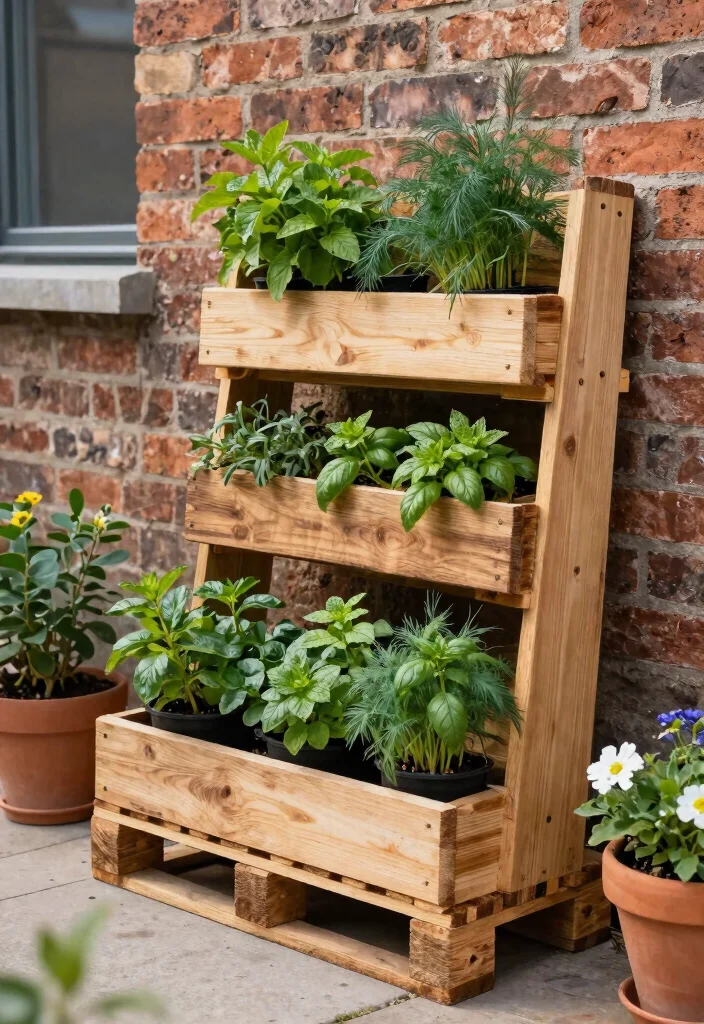
Transforming wooden pallets into herb gardens is not only eco-friendly but stylish too. You can easily create a vertical garden by planting herbs in the slats of an untreated pallet.
Fill the slats with soil and choose herbs that won’t spread too widely. Lean the pallet against a wall for support or secure it upright for a unique garden feature.
Steps to create your pallet garden:
– Use untreated pallets to avoid chemicals
– Fill slats with soil and plant herbs
– Lean or secure the pallet for stability
This method combines rustic charm with practicality, making it a great option for urban spaces.
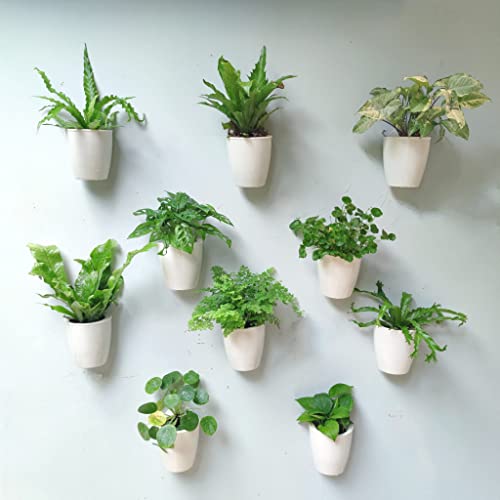
10 pack set: 5 inch (outer pot); 3.8 inch (inner pot), small size, fit 3-3.5” nursery pot. Check image for detailed dimension and pick the right size for your plants to prevent unpleasant experience and potential wastage on resources

3 PACK SET: Rectangular wall planters that can be arranged together or separately to create a beautiful, customized vertical garden display. Pick the right size for your plant to prevent unpleasant experience and potential wastage on resources. Flowers and Plants are NOT included.

10 PACK SET: 5 inch (outer pot); 3.8 inch (inner pot), small size, fit 3-3.5” nursery pot. Check image for detailed dimension and pick the right size for your plants to prevent unpleasant experience and potential wastage on resources
8. Herb Spiral Gardens
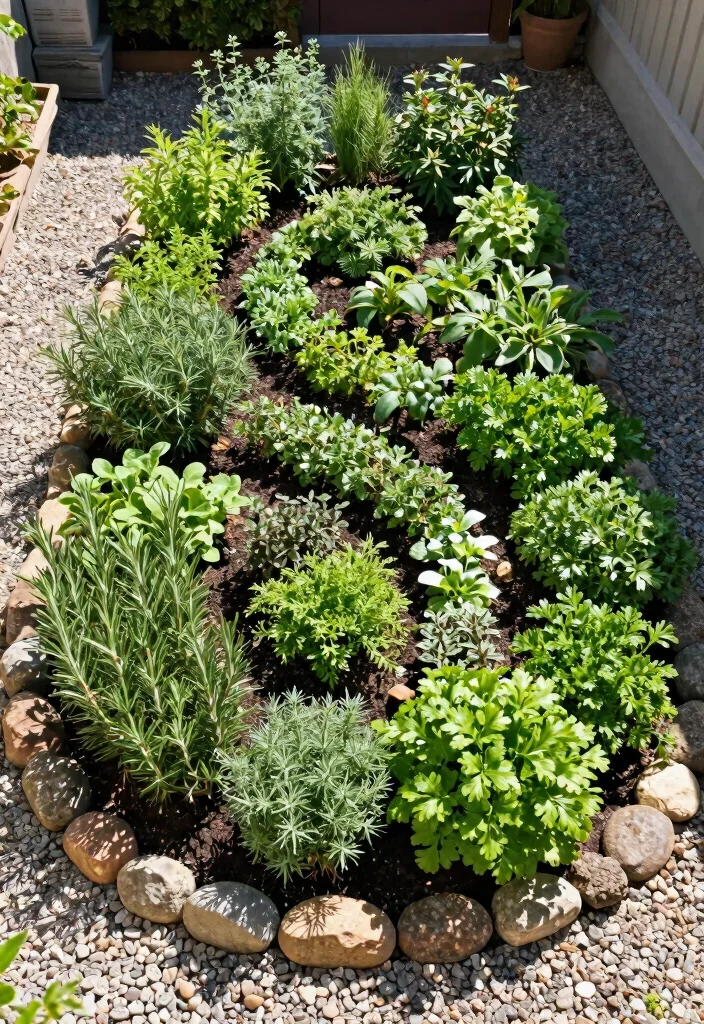
Herb spiral gardens combine functionality with beauty, offering an elegant way to grow herbs. This design involves creating a spiral that provides different microclimates for various herbs, catering to their specific needs.
Efficiently use space with this technique, making it perfect for compact areas. Herbs with different sunlight and watering requirements can thrive together, while the spiral adds a visually striking element to your garden.
Benefits of herb spiral gardens:
– Maximize space efficiently for small areas
– Grow diverse herbs with varying needs
– Create a stunning focal point in your garden
This design not only serves practical purposes but also enhances the visual appeal of your outdoor space.

🌿 【Complete 15-Herb Culinary Kit】 - Everything included to start growing! Contains 15 popular herb seed varieties (Genovese Basil, Mint, Cilantro, Parsley, Rosemary, Thyme, Oregano & more), 15 biodegradable pots, 6 nutrient-rich soil, plant markers, and a detailed guide. Your indoor garden starts here.

HERB GROWING KIT: This all-inclusive kit comes with 5 planter bags, 5 plant markers, 5 soil disks, 1 mini shears, and 1 planting guide. Designed for simplicity, it's perfect for beginners looking to start their own indoor garden.

All-in-One Package: Our kit includes 5 of the widely loved organic, non-GMO herb seeds—basil, parsley, rosemary, thyme, and mint. The set also comes with 5 burlap bags, 5 coconut soil discs, 5 plant markers, 3 gardening tools, 1 pruning scissors, 1 spray bottle, and an wooden box
9. DIY Herb Garden Kits
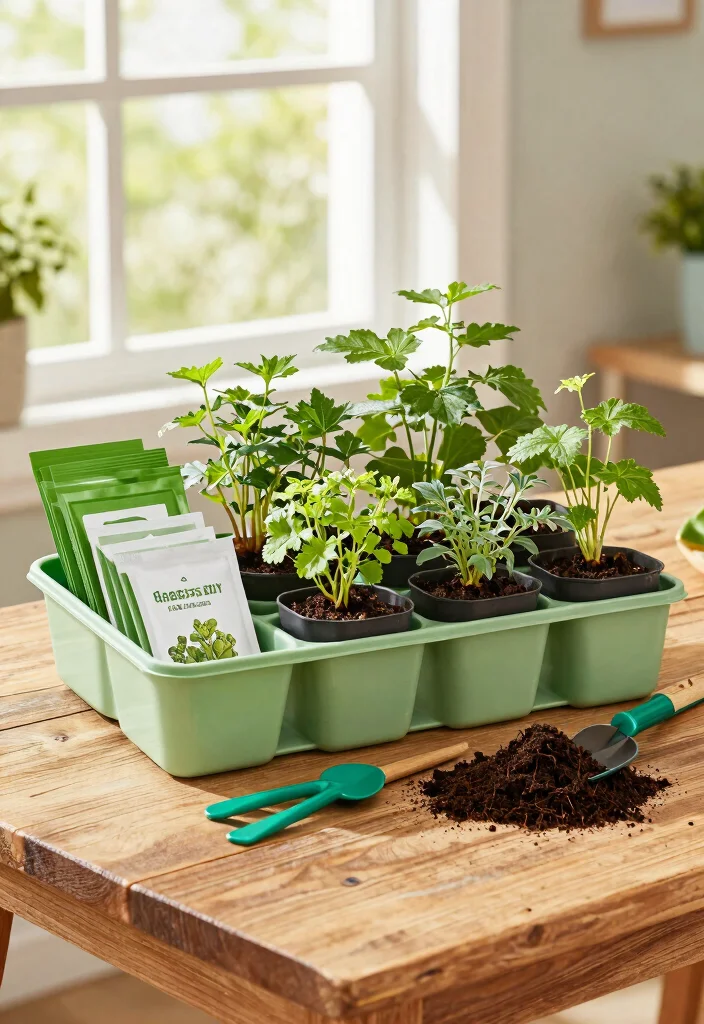
Kickstart your gardening journey by creating a DIY herb garden kit! Gather all the essentials in one place, making it easy for beginners to dive into gardening.
Include seed packets for popular herbs such as basil, mint, and parsley, along with small biodegradable pots and potting soil. This kit makes for a fun project and ensures you have all you need to nurture your herbs.
What to include in your kit:
– Seed packets for easy-to-grow herbs
– Biodegradable pots for eco-friendly gardening
– Potting soil and a small gardening tool
These kits make wonderful gifts for friends eager to start their own herb gardens, combining convenience with creativity.
Did you know a DIY herb garden kit can jumpstart a thriving herb container garden in minutes? Include seed packets for basil, mint, and parsley, plus biodegradable pots and potting soil—your beginner-friendly setup turns planting into a quick, satisfying project.

【Indoor Herb Garden】Experience the joy of gardening with our specialized indoor herb planter. This set includes a planter with a tray but does not come with plants and seeds. Designed specifically for herb cultivation, these planters can be used both indoors and outdoors. Crafted from durable metal with a sleek, glossy white finish, they blend functionality with a farmhouse style to enhance your living space.

MEET ALL NEEDS FOR HERB GROWING: Package comes with 5 types of herb seeds, 5 planter bags, 5 nutritional soil discs, 5 writable plant markers, 3 mini gardening tools for digging weeding and soil loosening, 1 bonsai pruner, 1 small water bottle, 1 planter box and a manual booklet. Meekear herb grow kit are super simple and easy to use, perfect for garden beginners.

EFFORTLESS WATERING SYSTEM: This self watering planter uses absorbent cotton wicks to automatically deliver water to plant roots through capillary action, keeping soil evenly moist for days. A perfect solution for busy plant lovers who want healthier growth without daily watering
Cost Breakdown & Budget Planning
Creating an herb container garden can be a rewarding project, especially when you’re working with a small space and a tight budget. Let’s break down the costs involved so you can plan effectively and make sure you have everything you need to grow your herbs successfully.
Cost Breakdown by Category:
– Materials/Products: Expect to spend between $30 to $100. This includes pots, soil, and seeds or seedlings. The price can vary based on the types of herbs you choose and the containers you select.
– Tools/Equipment: Budget around $10 to $50 for basic gardening tools like trowels, watering cans, and gloves. You can often find these at your local garden center or online.
– Labor/Professional Installation: If you plan to hire someone, costs can range from $50 to $200, depending on the complexity of your garden setup. However, most beginners can set up their containers themselves.
– Optional Extras: For decorative items like fairy lights or additional soil amendments, set aside $20 to $50. These can enhance the look of your garden and improve plant health.
Budget Tier Breakdown:
Basic Economy Tier $
– What’s included: A few inexpensive containers, basic potting soil, and seeds.
– Good for: Beginners or those just testing the waters with herb gardening.
– Limitations: You may miss out on more diverse herb varieties and higher-quality soil that can yield better results.
Mid-Range Tier $$
– What’s included: A mix of medium-sized containers, premium potting soil, and a variety of herb seedlings.
– Good for: Most urban gardeners who want a balanced experience with decent quality at a reasonable price.
– Best value for: Those looking for a more diverse herb garden without breaking the bank.
Premium Tier $$$
– What’s included: High-quality containers, organic soil, and a diverse selection of top-tier herb plants.
– Good for: Serious hobbyists wanting the best results and a beautiful display.
– Worth it if: You’re willing to invest in quality materials for longer-lasting results and healthier plants.
Money-Saving Tips:
– Buy seeds instead of seedlings. It’s cheaper and allows you to grow a larger variety of herbs.
– Use repurposed containers like old jars or buckets instead of new pots. This not only saves money but adds a unique touch to your garden.
– Join a community garden or gardening group. Many local groups share resources and plants, cutting costs significantly.
– Look for sales or discounts at local nurseries, especially during the off-season.
Where to Splurge:
– Invest in good-quality potting soil. This is essential for healthy plants and can make a noticeable difference in growth.
– Consider high-quality planters that offer good drainage and durability. They can last for several seasons, saving you money in the long run.
With this cost breakdown and budget planning guide, you can effectively plan your herb container garden. Remember to adjust your choices based on your preferences and local prices. Happy gardening! 🌱

【 Vertical Raised Garden Bed with Trellis】Perfect for home gardening lovers, this herb planter outdoor with 4 garden boxes let you plant vegetables, herbs, and flowers in separate plant bed while the 11-inch trellis supports climbing plants like tomatoes, strawberries, vines, and peppers. The balcony raised garden beds outdoor with legs creates an optimal environment for your plants to thrive.

The GreenStalk Vertical Planter is proud to be designed and manufactured completely in the USA. Made with high quality, BPA-free, UV-resistant plastic with a 5 year warranty.

Space-Saving Vertical Design – Maximize your wall space with this sleek, modern vertical rail planter system, featuring three large pots and one small pot for a variety of plants, herbs, or flowers, perfect for small apartments, kitchens, patios, or offices.
10. Herb Terrariums
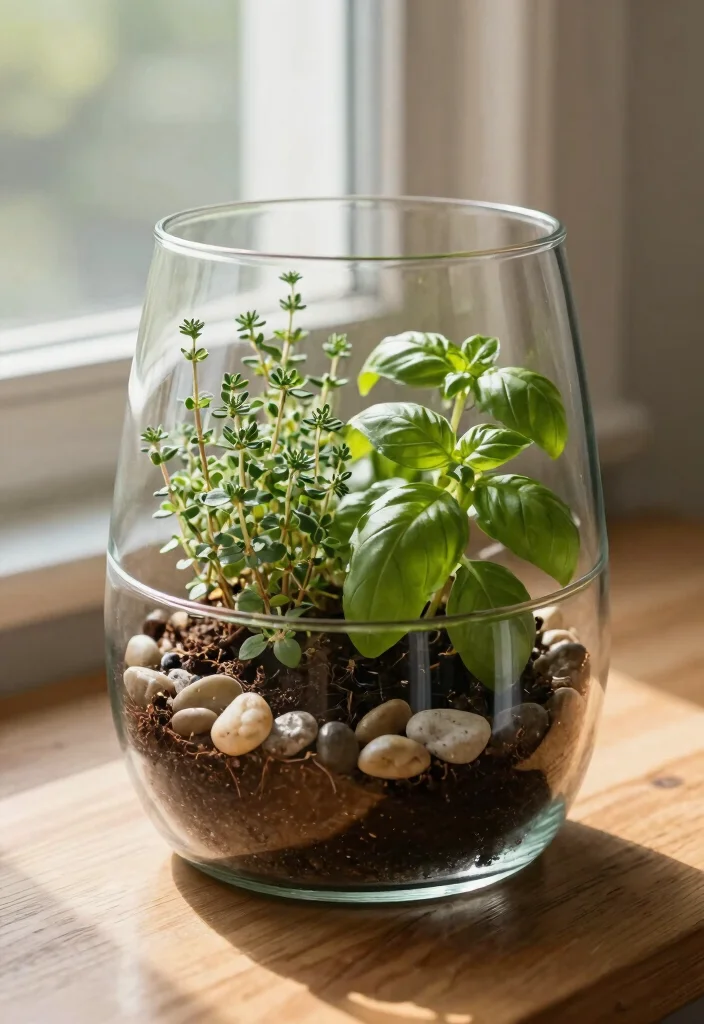
Bring a trendy twist to traditional herb gardening with herb terrariums! These glass containers house small herbs and can fit anywhere in your home, adding greenery to your decor.
Choose your glass container and layer the bottom with pebbles for drainage. Add activated charcoal and potting soil before planting your herbs. Position your terrarium in a spot that gets indirect sunlight for optimal growth.
Steps to create a terrarium:
– Layer pebbles for drainage in your container
– Add charcoal and soil for healthy growth
– Place in indirect sunlight for best results
This unique option allows you to enjoy herbs indoors, combining functionality with a touch of nature in your home decor.
11. Indoor Herb Jars
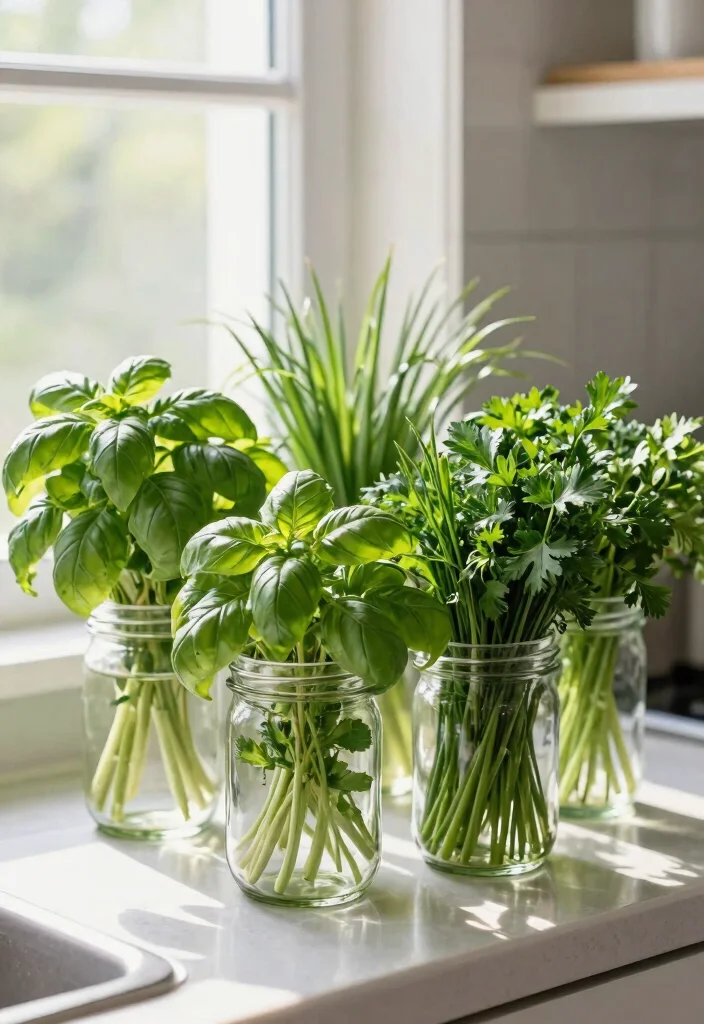
Indoor herb jars are a fantastic way to grow herbs right in your kitchen! These clear jars serve as both planters and decorative elements, bringing life to your home.
Opt for jars with wide openings for easy access to your herbs. Place pebbles at the bottom for drainage, followed by potting soil, and choose herbs that thrive indoors, like chives and basil.
Setting up indoor herb jars:
– Use wide jars for easy herb access
– Add pebbles for effective drainage
– Select indoor-friendly herbs for consistent growth
This method makes it simple to grab fresh herbs while cooking, all while adding a stylish touch to your kitchen decor.
12. Herb Container Sets
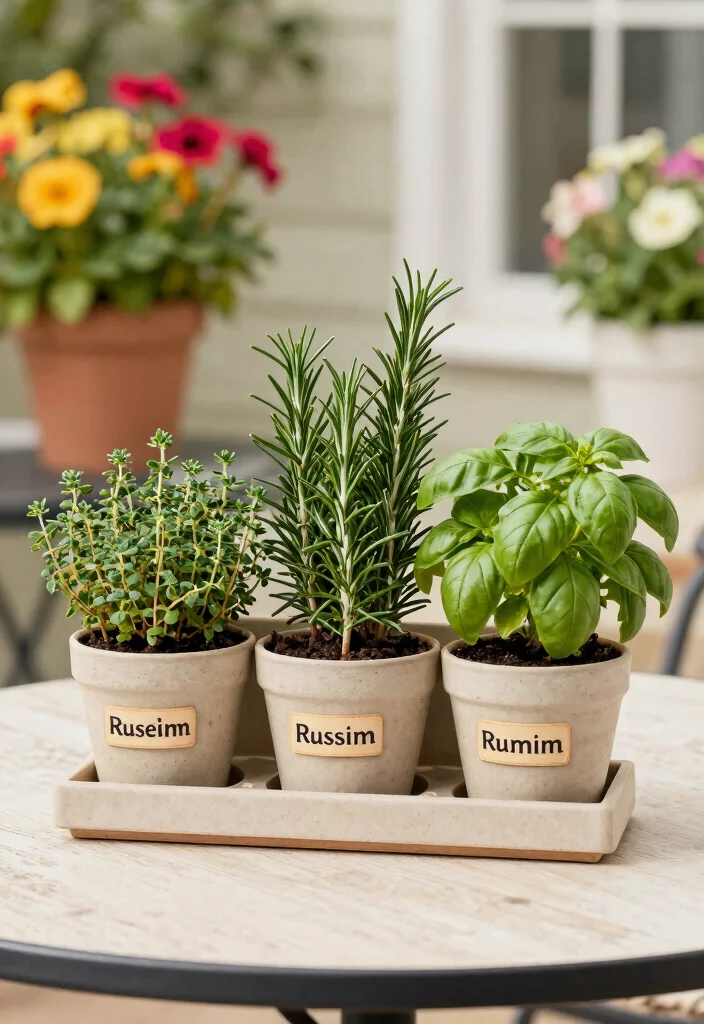
If you want a polished look for your herb garden, herb container sets are the way to go. These sets often include matching pots and labels, creating an organized approach to herb gardening.
Choose sets made from durable materials to withstand weather changes, and pair herbs that complement each other, like rosemary, thyme, and oregano. Labels will help keep your garden organized and make it easier for beginners to navigate.
Tips for selecting the right set:
– Look for durable materials for longevity
– Choose complementary herbs for better growth
– Use labels for easy identification and organization
Container sets provide both beauty and convenience, enhancing the overall aesthetic of your herb garden.
Fun fact: 60% of beginner herb growers save time by using a matching herb container set. With labeled pots, you’ll spot rosemary, thyme, and oregano at a glance, boosting your success by 30% in the first month for your herb container garden.
13. Community Herb Garden Collaboration
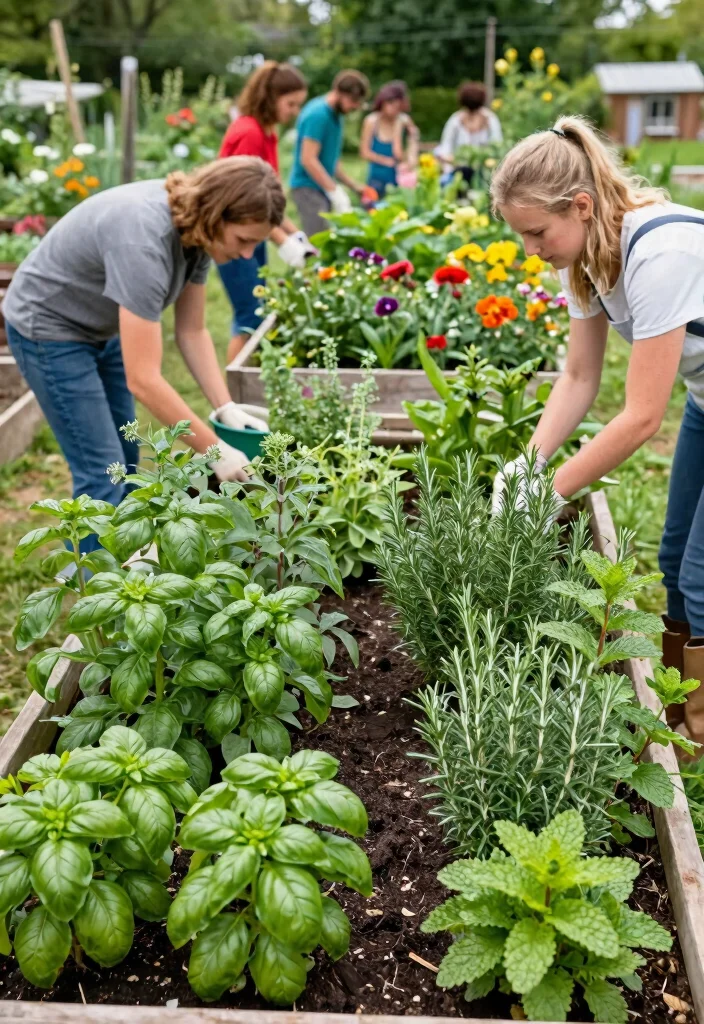
Why not collaborate with your neighbors to create a community herb garden? This initiative fosters community spirit while providing a larger growing space for everyone to enjoy.
Start by gathering interested neighbors and discussing options for a shared garden space. Plan which herbs to grow and how to divide tasks, ensuring everyone contributes. Establish a regular watering and maintenance schedule to keep the garden thriving.
Steps to start a community garden:
– Gather neighbors and discuss shared gardening options
– Plan herb selections and divide responsibilities
– Set a watering and maintenance schedule
Working together not only makes gardening more enjoyable but can also lead to a bountiful harvest that benefits the entire community.
Did you know a community herb garden can double your harvest per square foot compared to solo containers? When neighbors share space, tasks are lighter and schedules smoother, keeping herbs thriving with regular watering—perfect for any herb container garden. Gather volunteers, plan herbs, and divide duties to start.
14. Seasonal Herb Planters
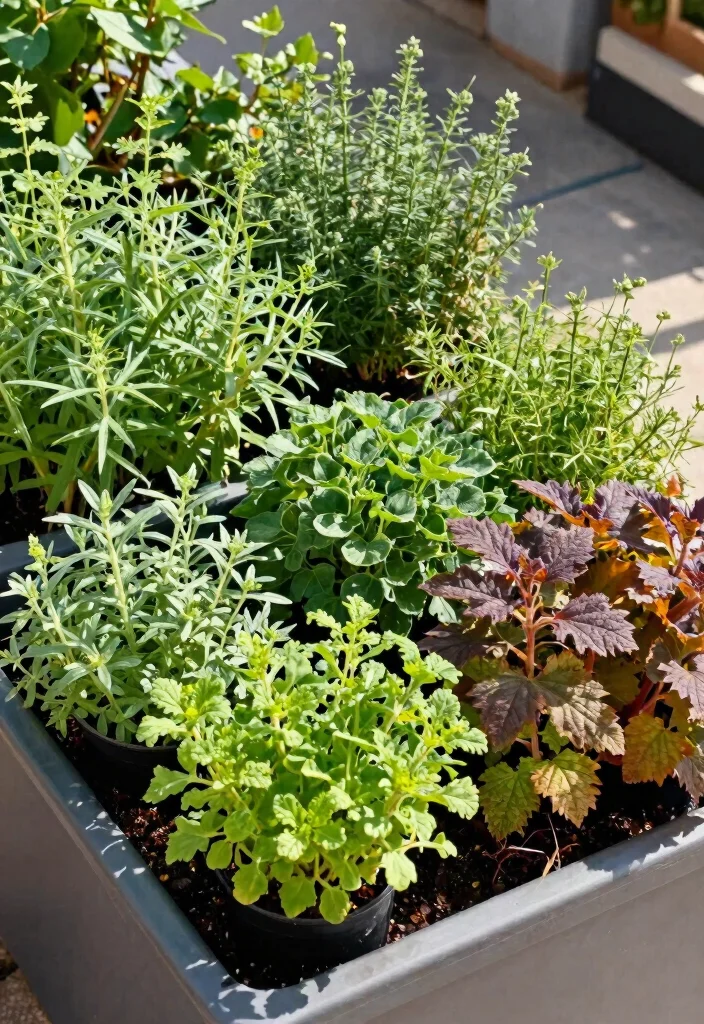
Seasonal herb planters are a wonderful way to keep your gardening experience fresh throughout the year. By changing your herbs with the seasons, you can enjoy a dynamic gardening adventure.
In spring, opt for vibrant herbs like parsley and cilantro. During summer, experiment with aromatic basil and refreshing mint. As fall approaches, incorporate heartier herbs like sage and thyme for a cozy touch.
Tips for implementing seasonal planters:
– Choose spring herbs like parsley and cilantro
– Experiment with summer flavors like basil and mint
– Use fall herbs like sage and thyme for warmth
Seasonal planters make herb gardening an exciting journey, giving you something new and delightful to look forward to with each season.
Conclusion
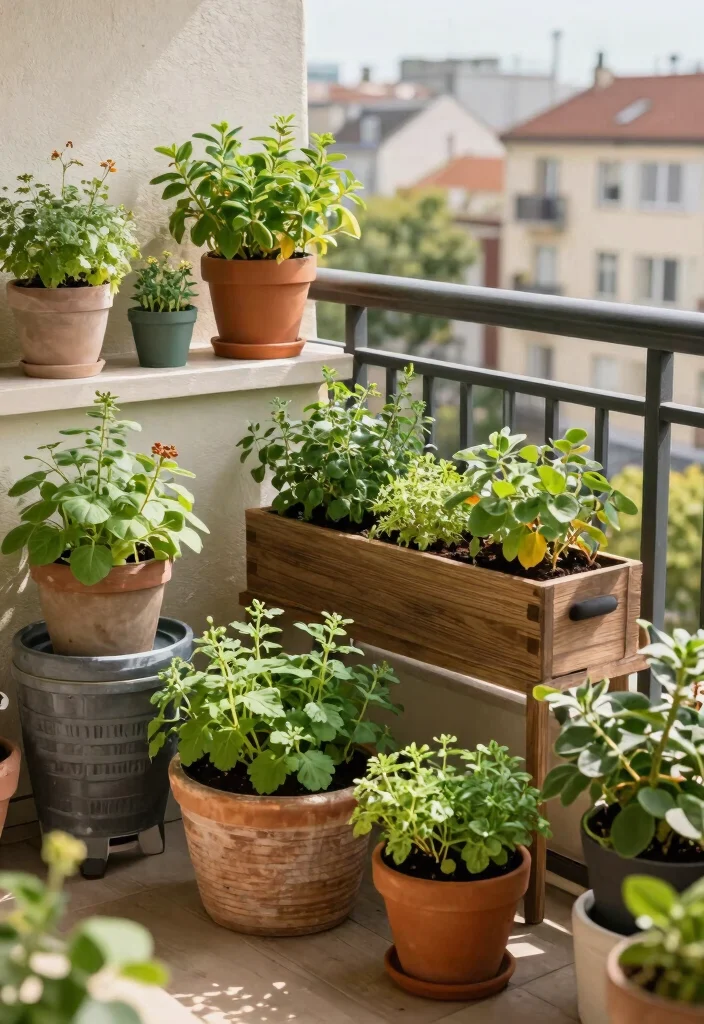
Starting an herb container garden doesn’t have to be an overwhelming task. With these 14 creative ideas, you can easily cultivate fresh herbs in small spaces without breaking the bank. Whether you opt for vertical planters or repurposed containers, each option adds a touch of greenery to your urban life. Dive into your gardening adventure and enjoy the rewards of homegrown goodness. Happy gardening!
Frequently Asked Questions
What is a beginner-friendly herb container garden for small spaces, and which herbs should I start with?
A beginner-friendly herb container garden is a setup in a small space that’s easy to start, maintain, and harvest. For small space gardening, start with 4–6 forgiving herbs: basil, chives, parsley, thyme, oregano, and mint (in its own pot to keep it from taking over). Place your containers where they’ll get 6+ hours of sun, choose containers with drainage, use a lightweight potting mix, and water consistently. Prune regularly to encourage bushy growth. If vertical space is available, add a trellis or railing box to maximize your urban gardening solutions and keep the setup compact. This simple approach is perfect for budget gardening ideas while enjoying fresh herbs from your herb container garden.
Want even less work? Choose drought-tolerant herbs like thyme and oregano to reduce watering.
How can I start a productive herb container garden on a tight budget?
You can absolutely grow an amazing herb container garden without spending a fortune. Start with inexpensive containers (recycled buckets, tins with drainage holes, or thrifted pots). Fill them with a simple potting mix or a DIY blend of compost, perlite, and coconut coir. Save money by starting from seeds or cuttings, and borrow herb slips from neighbors. Use kitchen scraps to make compost and mulch the surface to cut watering. Choose versatile herbs like basil, parsley, and mint that you’ll use in many recipes. Group plants by sun needs to avoid waste and overwatering. Water in the morning and feed with a light fertilizer every few weeks. With some creative budgeting, you’ll build a thriving herb container garden and enjoy budget gardening ideas that actually taste great.
Which herbs are best suited for container gardening in urban spaces?
For urban spaces, focus on compact, forgiving herbs that thrive in containers: basil, parsley, thyme, oregano, chives, cilantro, rosemary (in larger pots), and mint (in a dedicated pot to prevent spreading). Mint can volunteer, but in containment it’s very productive. Most thrive in 6–8 hours of sun and well-draining potting mix. Use dwarf or compact varieties when possible and harvest regularly to promote bushy growth. This list aligns with small space gardening and urban gardening solutions while keeping care simple for beginners.
What are space-saving ideas for a small herb container garden on a balcony or windowsill?
Turn every inch into growing space with these space-saving ideas for your herb container garden: use railing planters or a vertical wall planter, stackable pots, and a window box that faces sun. Hang small baskets from a balcony rim, or attach magnetic planters to a metal rail. Use compact or dwarf varieties and rotate herbs so the sun is evenly used. Group plants with similar water and light needs to reduce maintenance. With these container gardening tips, you can create an impressive setup for small space gardening on a budget.
How do I care for and maintain my herb container garden through seasons?
Care is simple: ensure excellent drainage and even moisture—water when the top inch of soil feels dry. Use a light, balanced fertilizer every 4–6 weeks during active growth. Prune herbs regularly to keep them bushy and prevent flowering too soon. Move pots to the sunniest spots as the seasons change, and protect delicate plants from extreme heat or cold. For winter, many herbs die back but can regrow from roots or be overwintered indoors in a sunny window. Watch for pests, wash leaves gently, and harvest often to keep your herb container garden thriving year-round.
Related Topics
herb container garden
small space gardening
budget gardening ideas
urban gardening
beginner friendly
container gardening tips
herb garden design
easy gardening
DIY herb garden
space-saving solutions
sustainable gardening
patio gardening