
Organic means food produced without synthetic pesticides or fertilizers under USDA rules that took effect in 2002, but the seal only guarantees 95% organic ingredients, not zero chemicals. The 25 synthetic substances still allowed, versus roughly 900 in conventional farming, include copper sulfate, a fungicide restricted because it can harm workers and consumers at higher volumes.
1. What Organic Actually Means
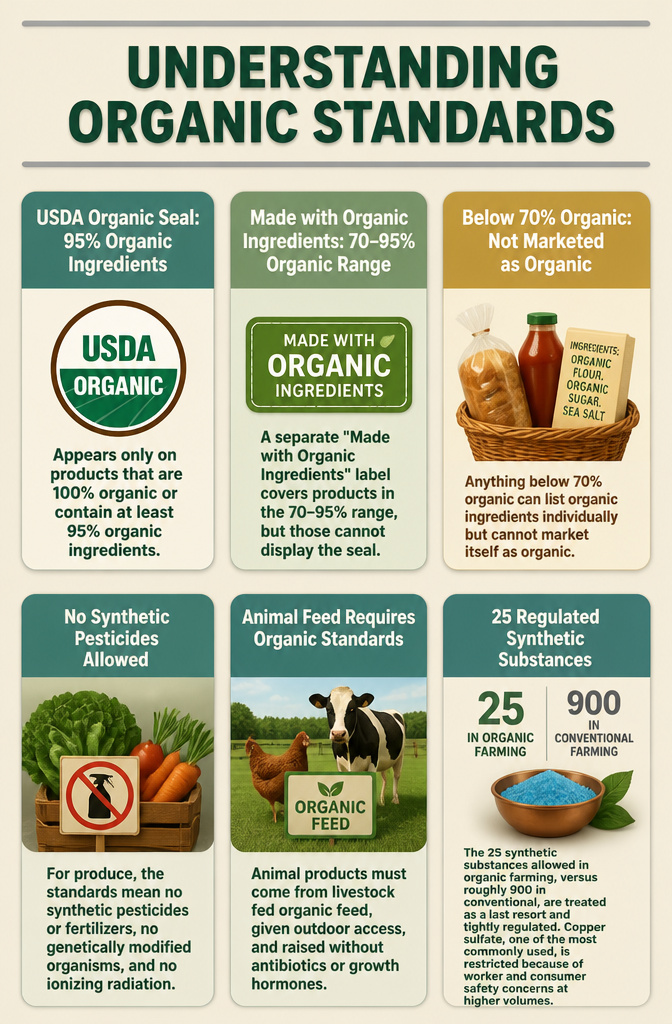
Organic food is produced under USDA standards that prohibit synthetic pesticides and fertilizers, require practices promoting ecological balance, and carry strict certification and labeling rules. The National Organic Program took effect in 2002, giving the word a fixed legal meaning it did not have before.
The USDA Organic seal appears only on products that are 100% organic or contain at least 95% organic ingredients. A separate "Made with Organic Ingredients" label covers products in the 70–95% range, but those cannot display the seal. Anything below 70% organic can list organic ingredients individually but cannot market itself as organic.
For produce, the standards mean no synthetic pesticides or fertilizers, no genetically modified organisms, and no ionizing radiation. Animal products must come from livestock fed organic feed, given outdoor access, and raised without antibiotics or growth hormones. The 25 synthetic substances allowed in organic farming, versus roughly 900 in conventional, are treated as a last resort and tightly regulated. Copper sulfate, one of the most commonly used, is restricted because of worker and consumer safety concerns at higher volumes.
2. The USDA Standards Behind the Label
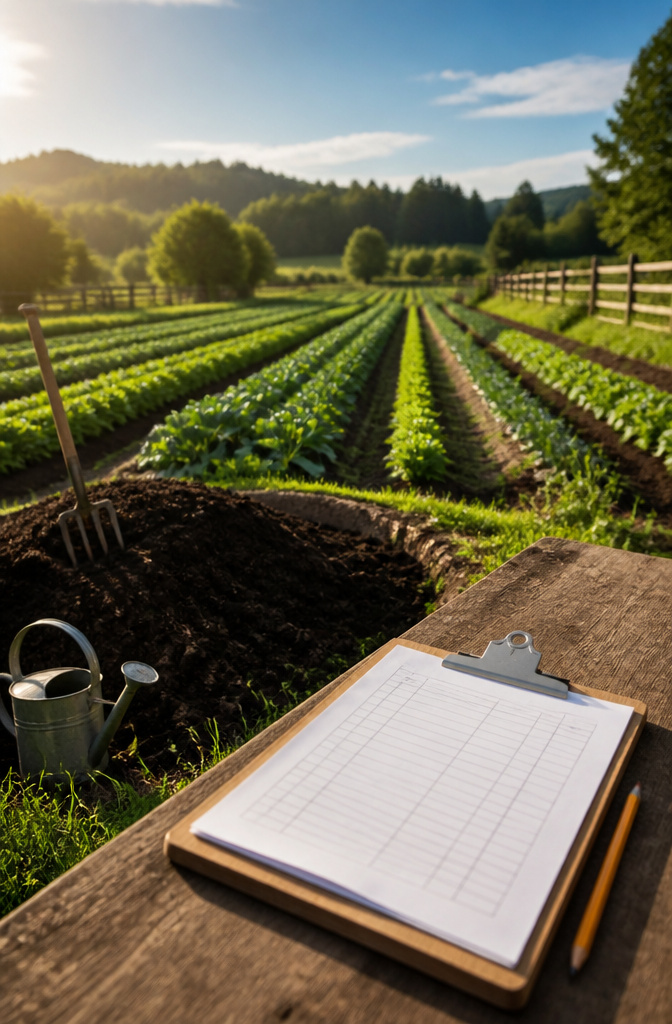
The USDA National Organic Program has set the rules since 2002, and they are stricter than most shoppers realize. Synthetic fertilizers, pesticides, and GMOs are prohibited outright, and farms must keep detailed records of every input and practice for yearly inspections by accredited certifiers. Those inspections are announced, but unannounced spot checks happen too, and certifiers themselves get audited by USDA to keep the system honest.
The surprise for most people is that not every synthetic substance is banned. The National List allows about 25 synthetics, compared to roughly 900 in conventional farming, but only after a farmer has exhausted other methods and only in limited amounts. Copper sulfate, a synthetic fungicide common in organic orchards, is restricted because it can harm workers and consumers at higher volumes.
Soil health is where the standards get practical. Crop rotation is required, not suggested, because growing the same crop year after year depletes nutrients and invites the pests that target it specifically. Cover crops, planted between cash crops, hold soil and water in place and feed carbon back into the ground. The carbon acts like a sponge for nutrients and moisture, so less of what the farmer adds runs off before the plant can use it.
3. How Organic Certification Works
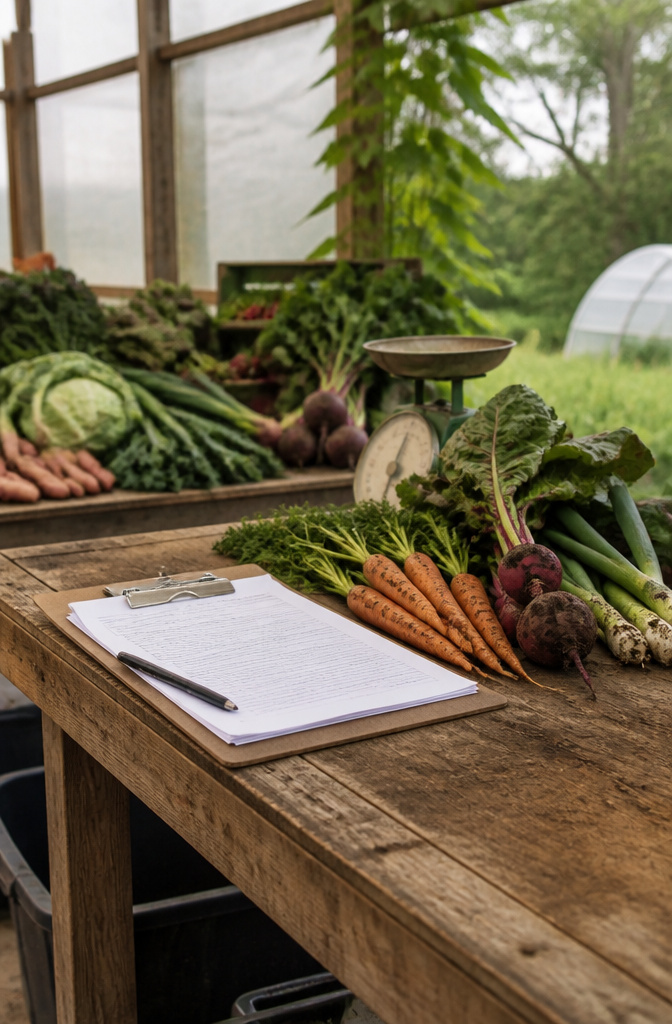
A USDA-accredited certifier, not the USDA itself, is the one who actually shows up at the farm or facility every year to walk the operation and verify compliance. The producer keeps detailed records on inputs, practices, and handling; the inspector checks those records against what they see in the field or on the floor. Only after passing that inspection can a product carry organic labeling.
The label itself comes in tiers that matter at the shelf. "100% Organic" means every ingredient is organic, and the product may display the USDA Organic seal. "Organic," without the 100%, still requires at least 95% organic ingredients and also qualifies for the seal. Drop below that threshold and the rules change: products with 70% to 95% organic ingredients can say "Made with Organic Ingredients" but cannot use the USDA Organic seal. Anything under 70% organic can only list organic ingredients individually in the ingredients panel; the word "organic" cannot appear on the front of the package at all.
"Natural" operates in a completely separate system. The USDA does not regulate that term, so a "natural" label speaks only to the absence of artificial colors, flavors, or preservatives, not to how the food was grown or processed.
4. What the Organic Seal Promises About Pesticides
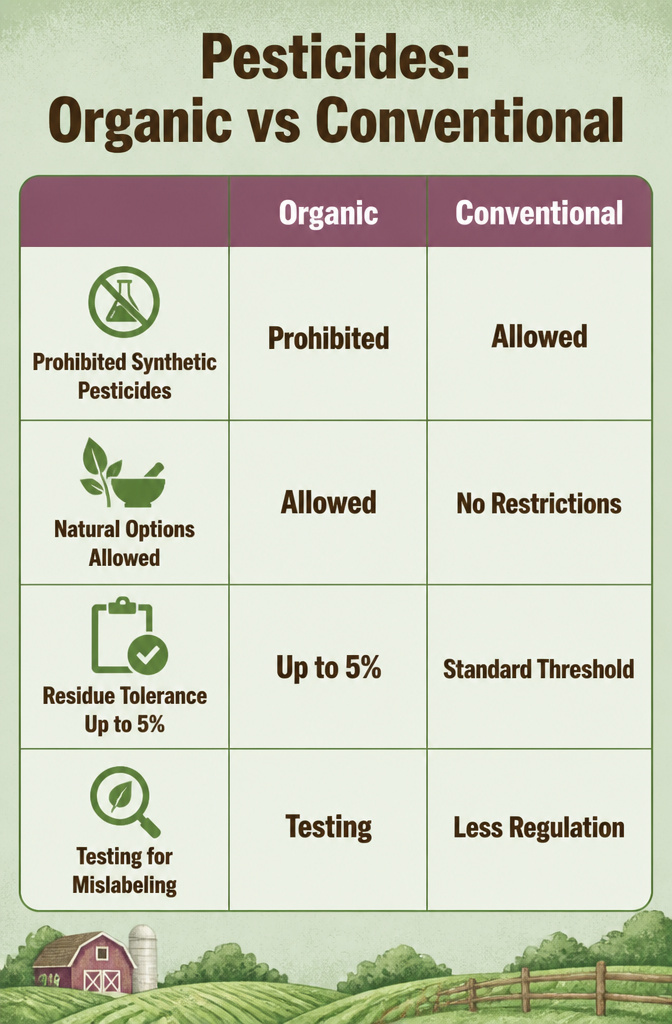
The USDA organic seal does not mean pesticide-free. Organic farming prohibits synthetic pesticides while allowing natural alternatives like plant oils, sulfur dust, and certain biological pesticides. These natural options tend to be low enough in toxicity that most are exempt from federal residue limits entirely.
That said, trace residues can still show up on organic produce. An organic farm might sit next to a conventional one, or a processing facility might handle both types of food. The USDA allows this up to 5 percent of the conventional tolerance level. On non-organic peaches, for instance, the limit for permethrin is 1.0 ppm; on organic peaches, it drops to 0.05 ppm. The agency does run random tests on products carrying the seal to catch mislabeling.
Residue levels on organic foods are typically lower than on conventional, but they are not zero. For shoppers working with a real budget, the Environmental Working Group’s annual Dirty Dozen list offers a practical way to prioritize. The list flags conventionally grown produce most likely to carry pesticide residue; buying organic versions of those specific items gives you the most protection per dollar. The companion Clean 15 list names varieties where conventional growing tends to leave little residue, so the organic premium matters less.
5. Is Organic Food More Nutritious
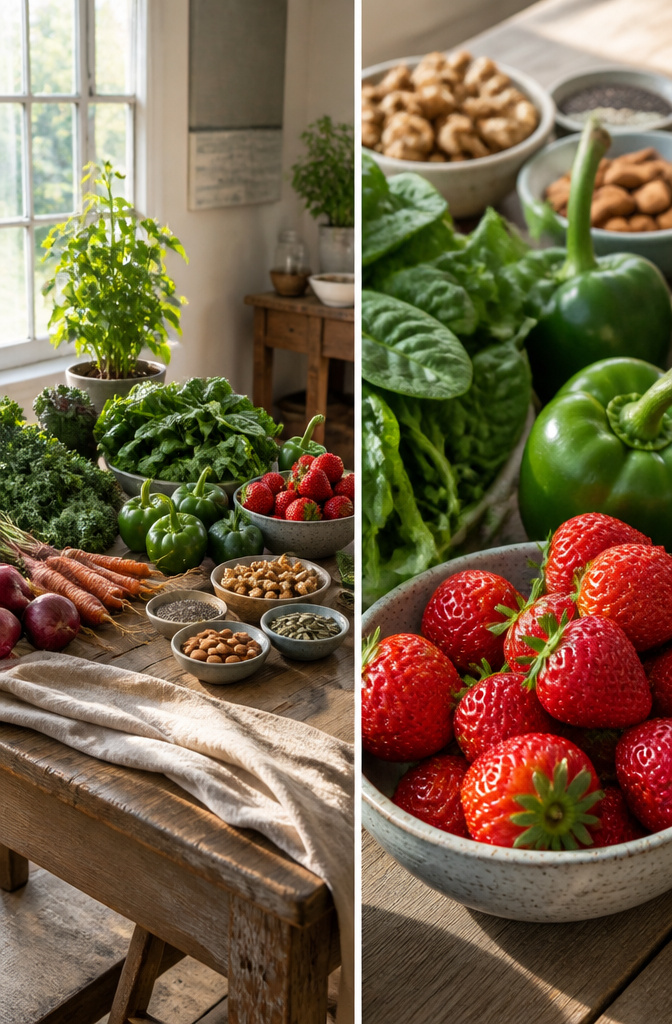
Nutrient levels in organic produce are one of the most contested questions in the aisle. Some studies have found slightly higher concentrations of vitamins, minerals, and phytonutrients in organic fruits and vegetables compared to conventionally grown equivalents. The difference is modest, and whether that translates into any real health benefit remains an open question.
The research stays mixed for a few stubborn reasons. Nutrient content varies dramatically based on soil quality, season, seed variety, and how recently the produce was harvested, factors that can swamp the organic-versus-conventional distinction. People who buy organic also tend toward other habits that improve health overall, which makes it hard to isolate the label itself as the cause of any measured difference. The 2012 American Academy of Pediatrics review found no meaningful nutritional benefits or deficits from eating organic compared to conventional, and called for more long-term, well-powered studies to settle the matter.
Choosing any produce, organic or non-organic, will provide important vitamins, minerals, and phytonutrients.
What that means for most shoppers: if your budget is tight, conventional produce still delivers the nutrients you are actually after. The organic label governs how food was grown, not what it contains on your plate.
6. Why Organic Farming Matters for Soil and Biodiversity
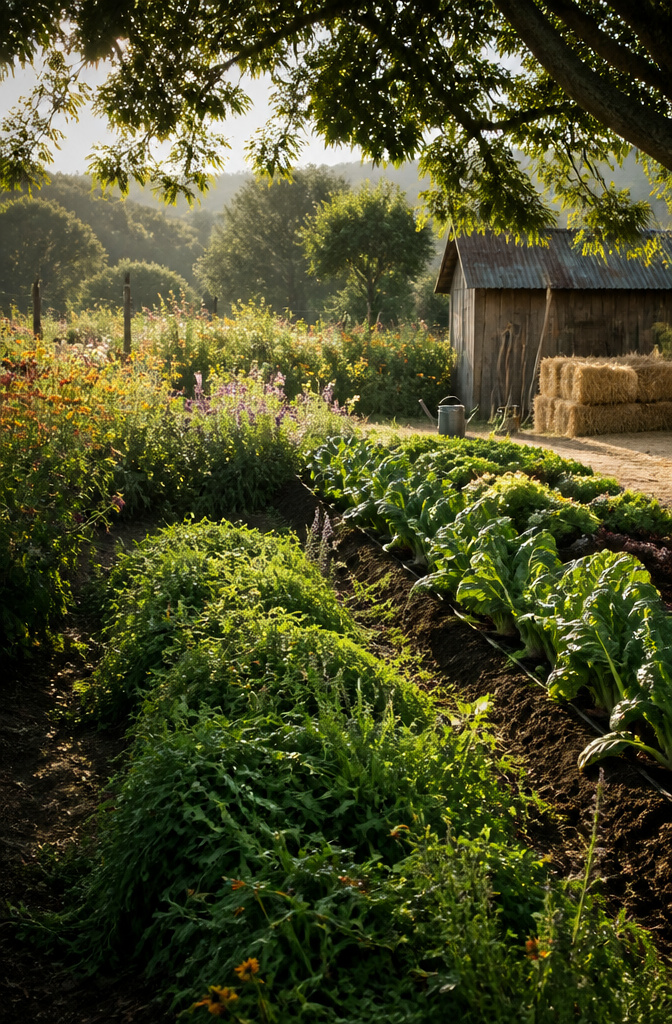
Soil health is the piece of the organic label I kept coming back to while reading through how the standards actually work. The USDA National Organic Program requires farmers to use renewable resources and conserve soil and water quality, which sounds broad until you see what it rules out: synthetic fertilizers that bypass the soil’s own biology. Instead, organic growers build soil through composting and crop rotation, feeding the microorganisms that conventional shortcuts often ignore. That living soil is what supports biodiversity above ground, since healthier ground layers tend to host more insects, birds, and plant variety over time.
The catch is that "organic" does not automatically mean "small and careful." Large-scale organic operations can still plant single-crop fields and lean heavily on organic-approved pesticides and fungicides, which are less toxic than synthetics but also less effective. That gap sometimes leads to heavier spraying volume, with the same leaching into surrounding land and the same soil health pushed to the back burner. Organic farms also need more acreage to match conventional yields, so carbon storage matters; without deliberate effort at carbon sequestration, the expanded footprint can release worrying amounts into the atmosphere.
Not every organic farm operates this way. The NOP does pressure growers toward conservation, biodiversity, and soil health in ways conventional standards do not, and most organic pesticides break down faster than synthetics. The environmental benefit is real where those practices are followed closely, but the label alone does not guarantee them.
Three Labels to Check at the Store
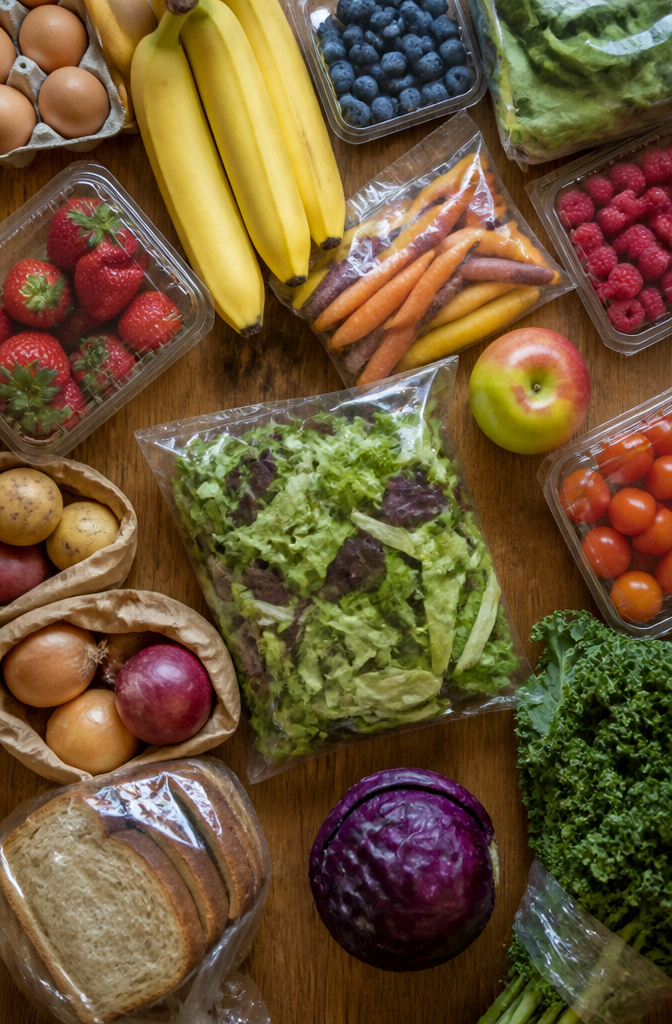
The USDA organic seal is not the only label you will see, and the difference between them matters at checkout. Here is how to read the three tiers quickly:
- "100% Organic" or the USDA Organic seal: The product contains only organic ingredients. The seal itself means the item is either 100% organic or made with at least 95% organic ingredients, both of which meet the same certification and inspection standard.
- "Made with Organic Ingredients": This covers the 70% to 95% range. The producer went through certification, but the product cannot carry the USDA Organic seal. I treat this as a middle tier: better than conventional on the ingredients that count, but not the full standard.
- No seal, no organic claim on the front: If the word "organic" only appears inside the ingredient list, the product sits below 70%. The remaining 30% or more is conventional. "Natural" falls here too; it refers to colors and flavors, not farming practices, and the USDA does not police it.
My own shortcut: the seal is the fastest filter. If I am comparing two similar items and only one has it, that is usually the one that lands in my cart.
What Organic Does Not Mean
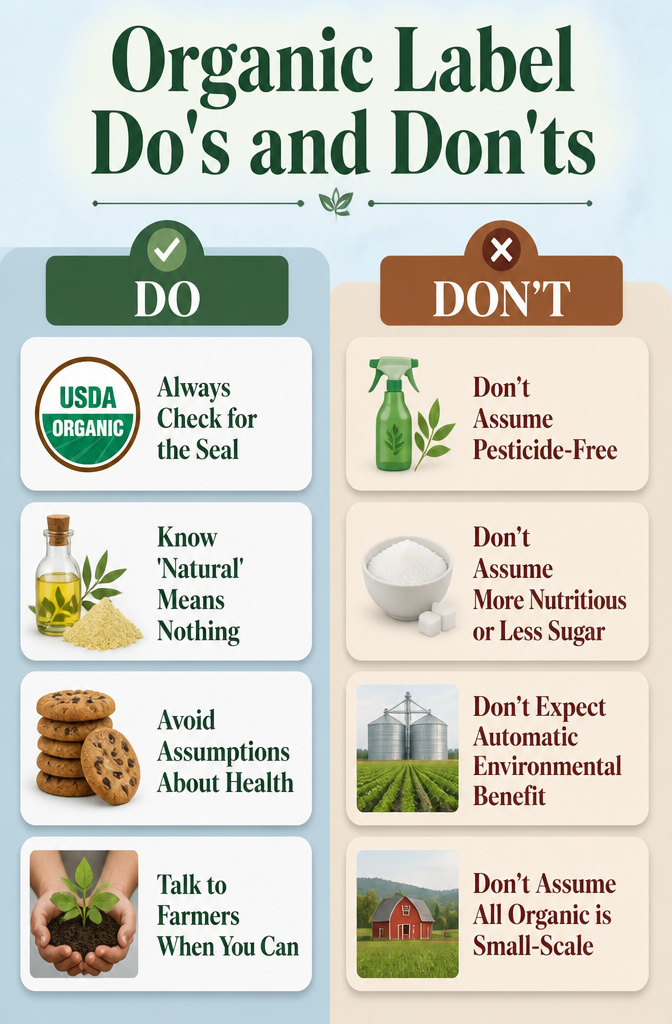
The organic label gets loaded with expectations it was never built to carry. Organic does not mean pesticide-free. Farmers like Jennifer Glenister at New Morning Farm in Pennsylvania spray to protect their crops, they just use natural substances, plant oils and sulfur dust among them, rather than synthetic ones. Those natural pesticides break down fast, often within hours, but residue can still land on the food you bring home.
Health is the other assumption. The USDA seal regulates how food is grown and processed, not whether the final product packs more nutrients or less sugar than its conventional counterpart. A certified organic cookie remains a cookie.
Environmental benefit gets murkier still. Industrial organic operations have scaled up under the same USDA program, sometimes prioritizing the checklist of approved inputs over the living soil practices that defined early organic farming. The seal guarantees no synthetic fertilizers and no GMOs, not that your purchase supported small-scale agriculture or carbon-sequestering cover crops. Glenister herself points past the logo, urging shoppers to talk to farmers directly when they can, because certification is time-consuming and expensive, and plenty of growers farm responsibly without the paperwork to prove it.
How the Organic Movement Took Shape
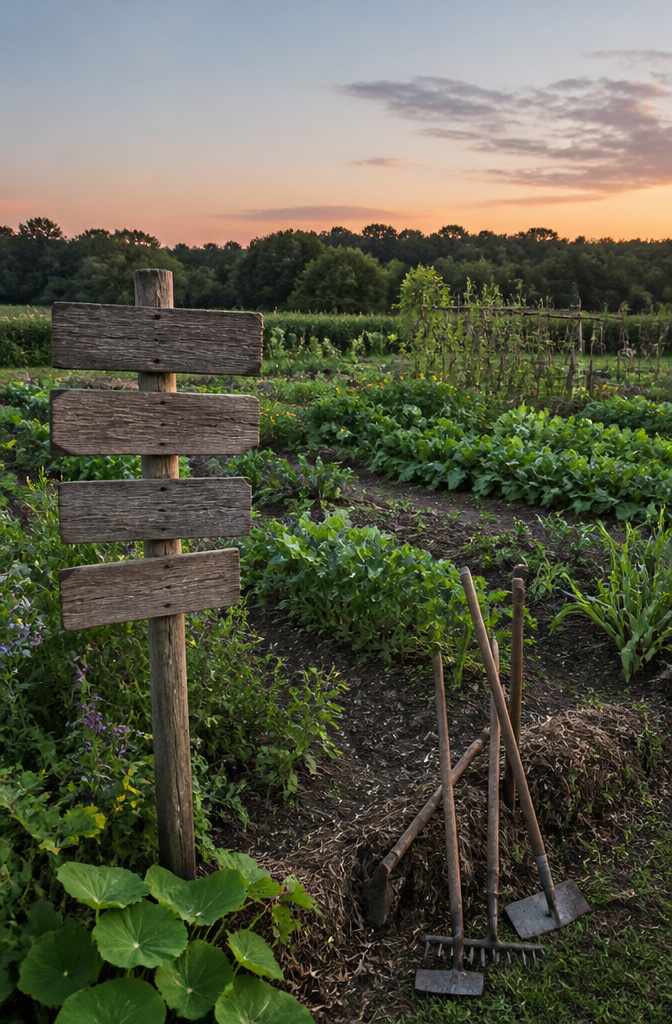
Organic farming took root in Europe first, but by the 1940s it had begun finding American growers willing to rethink the soil. The approach asked a different question than conventional farming did: not how to maximize this season’s yield, but how to keep the land producing for decades. Techniques like crop rotation and composting ran against the grain of mainstream agriculture, so acceptance came slowly.
Momentum shifted in 1972 when the federal government banned DDT. Oregon passed its own organic regulations around the same time, other states followed, and consumer demand kept climbing through the 1990s. The Organic Food Production Act of 1990 set the stage for federal standardization, and the USDA’s National Organic Program (NOP) formally took effect in 2002. That is the line most shoppers cross without knowing it: before then, "organic" meant whatever a state or a certifier said it meant. After 2002, it meant the same thing in every grocery aisle, backed by a National List of Allowed and Prohibited Substances and yearly inspections.
When I Buy Organic and When I Skip It
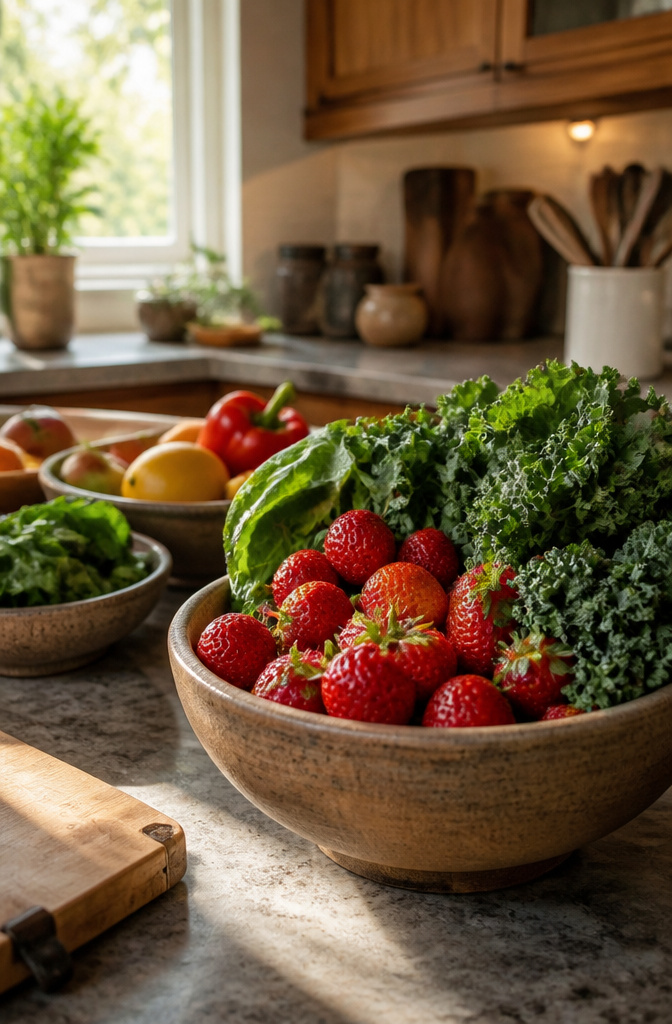
The Environmental Working Group’s Dirty Dozen and Clean 15 are what actually steer my cart. Strawberries, spinach, and apples go in the organic pile because the USDA data shows they carry the heaviest pesticide residue. Avocados, onions, and sweet corn I buy conventional without much worry; they land on the Clean 15 year after year.
On a weekend-project budget, this list keeps the grocery bill from doubling while still cutting where it counts. The USDA organic seal means the crop was grown without synthetic fertilizers or pesticides and that animals had outdoor access and no antibiotics, but it does not promise zero residue or higher nutrition. That gap matters to me: I am paying for process, not perfection, and I treat the label as a risk reduction rather than a guarantee.
The "natural" label is useless here. It carries no organic standard at all, and I have watched friends grab it thinking they checked the same box. For my own kitchen, the 95 percent organic threshold is the line I trust; anything labeled "made with organic ingredients" at 70 percent gets the same scrutiny I would give conventional produce.
Organic Choices for a Real Budget
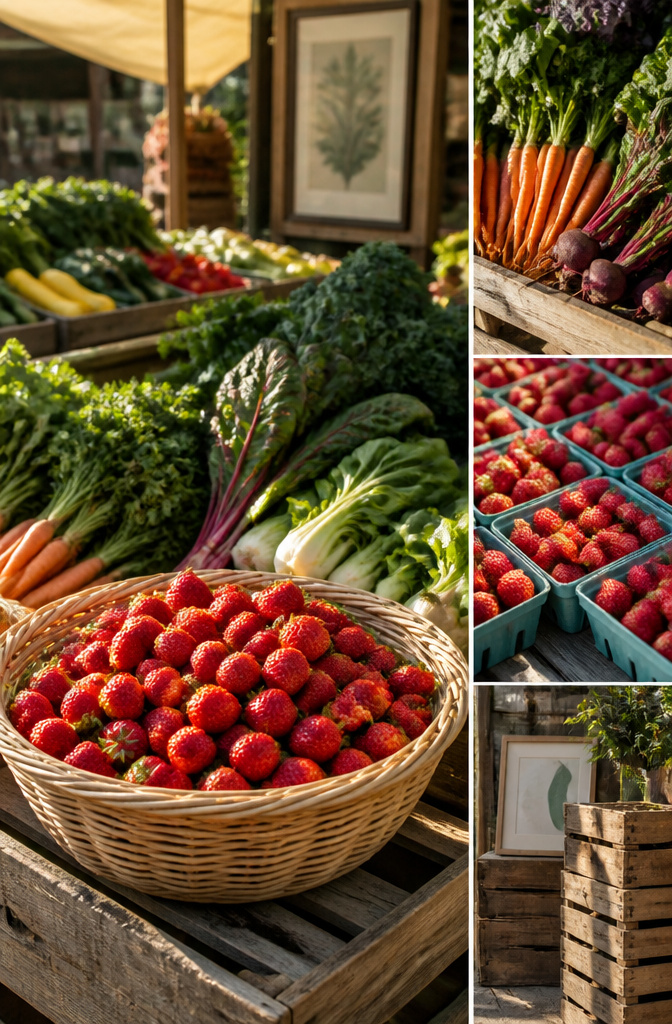
Organic groceries used to wreck my weekly budget until I learned that the USDA seal only guarantees 95 percent organic ingredients, not perfection. A carton labeled "made with organic ingredients" drops that threshold to 70 percent, and anything below that just lists organic items somewhere in the fine print. I spent months assuming the word itself meant more than it does.
The Environmental Working Group’s Dirty Dozen list changed how I shop. Strawberries and spinach stay on my organic list because conventional versions carry heavier pesticide residue. Avocados and onions, the so-called Clean 15, rarely get my extra dollars since their thick skins block most contamination anyway. Whether I buy organic or conventional, the produce still beats skipping vegetables entirely.
Seasonal buying cuts costs without cutting standards. Summer salad greens and herbs, winter brassicas, these rotate through my cart when their prices drop. I also stopped trusting "natural" as a shortcut. The USDA does not regulate that word at all, so it signals nothing about how the food was grown.
Read the Label, Not Just the Seal
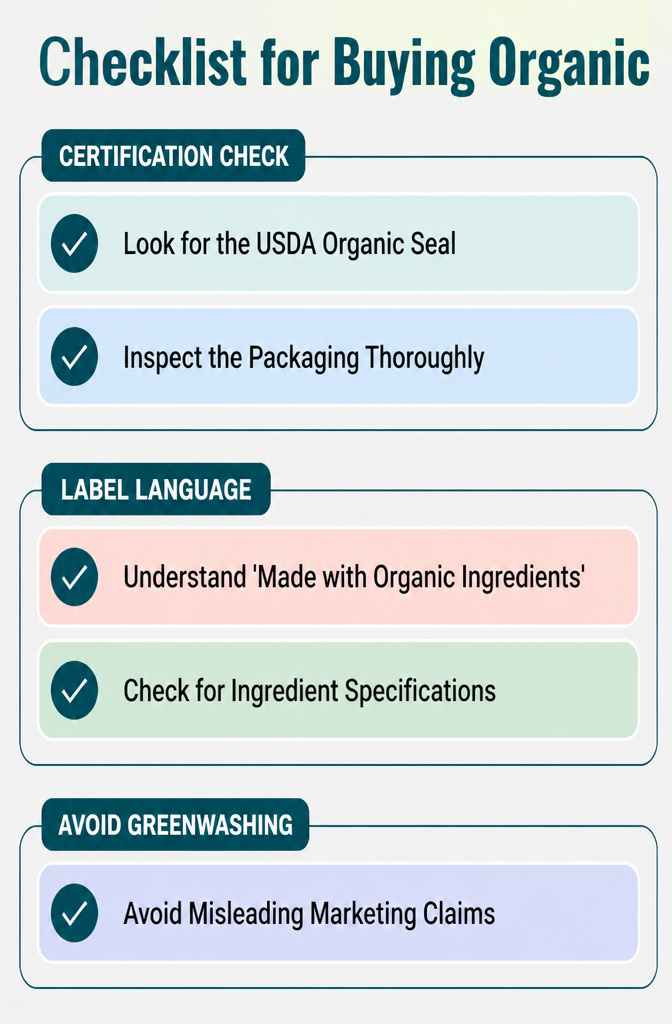
The USDA Organic seal sits on the front of packages, not buried in fine print. If you do not see it, the product is not certified organic, no matter how green the leaves on the label look.
- "Natural" means nothing under USDA rules. It usually signals no artificial colors, flavors, or preservatives, but those products skip the inspection and record-keeping that organic requires.
- "Made with organic ingredients" covers products with 70% to 94% organic content. They cannot use the seal, and the remaining percentage is not held to organic standards.
- Below 70% organic, a product can only list the word "organic" next to specific ingredients in the ingredient list. The seal is banned entirely.
- Watch for farm scenes or earth-tone packaging that imply organic status without the seal. The USDA seal is a registered trademark; uncertified use carries criminal penalties, which is why legitimate brands do not risk hinting at it.
- In a hurry, flip the package. The seal belongs on the principal display panel. If it is missing, the marketing language is just that: marketing.
Frequently Asked Questions
What does organic mean?
Organic refers to food produced under USDA standards that prohibit synthetic pesticides and fertilizers, require practices promoting ecological balance, and carry strict certification and labeling rules. The National Organic Program, which took effect in 2002, gave the word its fixed legal meaning. The USDA Organic seal appears only on products that are 100% organic or contain at least 95% organic ingredients.
Is organic food healthier than non-organic food?
The health benefits remain an open question. Some studies find slightly higher concentrations of vitamins, minerals, and phytonutrients in organic produce, but the difference is modest and it is unclear whether that translates into real health benefits. The 2012 American Academy of Pediatrics review found no meaningful nutritional benefits or deficits from eating organic compared to conventional.
How can I identify organic products?
Look for the USDA Organic seal on the front of the package, which means the product is either 100% organic or made with at least 95% organic ingredients. Products labeled "Made with Organic Ingredients" contain 70% to 95% organic content but cannot display the seal. If "organic" appears only in the ingredient list, the product sits below 70% organic.
What are the benefits of organic farming?
Organic farming promotes soil health through required crop rotation and cover crops, supports biodiversity above ground, and uses roughly 25 synthetic substances versus about 900 in conventional farming. The standards prohibit synthetic fertilizers and GMOs outright, and farms must maintain detailed records for yearly inspections by accredited certifiers.